
Walk into any professional kitchen and you’ll find chefs reaching for stainless steel cookware more than any other material. The stainless steel frying pan has earned its reputation as the workhorse of culinary professionals—and for good reason. Unlike non-stick coatings that degrade over time or cast iron requiring constant maintenance, stainless steel offers unparalleled durability, versatility, and cooking performance that actually improves with experience.
Whether you’re searing a perfect steak, deglazing for a pan sauce, or simply frying eggs for breakfast, a quality frying pan stainless steel construction provides the foundation for superior results. The material withstands high temperatures, transitions seamlessly from stovetop to oven, works with metal utensils, and develops the flavorful fond that transforms simple dishes into restaurant-quality meals.
This comprehensive guide walks you through everything you need to know about selecting the perfect stainless steel cookware frying pan for your kitchen—from understanding construction quality and choosing the right size to mastering cooking techniques that prevent sticking and maintain your pan’s beauty for decades.
Key Takeaways
- Construction Matters Most: Look for tri-ply or 5-ply stainless steel construction with aluminum or copper core for superior heat distribution and durability
- Size Selection is Critical: Choose from 8 inch to 14 inch diameters based on household size—10-12 inch pans handle most everyday cooking tasks
- Not All Stainless is Equal: 18/10 stainless steel (18% chromium, 10% nickel) offers the best corrosion resistance and cooking performance
- Induction Compatibility: A stainless steel frying pan induction-ready model requires magnetic steel in the base layer—verify before purchasing
- Oven-Safe Versatility: Quality stainless steel frying pans are oven safe to 500°F or higher, enabling finishing techniques and one-pan meals
- Learning Curve Required: Stainless steel requires proper preheating and fat usage but rewards you with unmatched searing, fond development, and pan sauce capability
- Lifetime Investment: A premium stainless steel frying pan lasts decades with proper care, making it more economical than replacing non-stick pans every few years
Understanding Stainless Steel Frying Pan Construction

What Makes a Quality Stainless Steel Frying Pan?
Not all stainless steel frying pans are created equal. The construction method dramatically impacts cooking performance, durability, and price.
Single-Ply (Disc Bottom) Construction
Entry-level pans feature a stainless steel body with an aluminum or copper disc attached to the bottom. While affordable, these designs create uneven heating with hot spots directly over the burner and cooler areas toward the pan edges. The disc can also separate from the pan body over time, particularly with thermal shock.
Tri-Ply (3-Layer) Construction
The industry standard for quality cookware, tri-ply construction sandwiches an aluminum or copper core between interior and exterior stainless steel layers. This design extends from the base through the entire sidewalls, ensuring even heat distribution across the entire cooking surface. A stainless steel frying pan with tri-ply construction heats uniformly, responds quickly to temperature adjustments, and eliminates frustrating hot spots.

5-Ply and 7-Ply Construction
Premium options feature additional layers—typically alternating stainless steel and aluminum. While marketing emphasizes more layers, the practical cooking benefits diminish beyond tri-ply for frying pans. The extra material adds weight and cost with marginal performance improvements. Reserve 5-ply investment for stockpots and saucepans where thick bottoms provide greater advantage.
Stainless Steel Grades: The 18/10 Standard
The numbers stamped on quality stainless steel cookware indicate the chromium and nickel content:
18/10 Stainless Steel (18% chromium, 10% nickel): The gold standard for cooking surfaces. This composition provides excellent corrosion resistance, maintains a brilliant finish, and creates a non-reactive surface that won’t impart metallic flavors to acidic foods like tomatoes or wine-based sauces.
18/8 Stainless Steel (18% chromium, 8% nickel): A slightly more economical option offering good performance with marginally reduced corrosion resistance compared to 18/10.
18/0 Stainless Steel (18% chromium, 0% nickel): Used for the exterior layer of induction-compatible pans since it’s magnetic. Never acceptable for cooking surfaces as it’s more prone to corrosion and pitting.
Core Materials: Aluminum vs. Copper
The conductive core material determines heat responsiveness:
Aluminum Core: The most common choice, aluminum offers excellent heat conductivity at reasonable cost. It heats quickly, distributes warmth evenly, and provides good thermal mass for stable cooking temperatures. Quality tri-ply pans use thick aluminum cores (typically 2-3mm) for optimal performance.
Copper Core: Premium option providing superior heat conductivity—copper responds instantly to temperature changes, giving precise control. However, copper cores significantly increase cost while offering marginal practical advantage over quality aluminum for most home cooking applications.
Induction Compatibility
A stainless steel frying pan induction model requires magnetic material in the base to work with induction cooktops. Manufacturers achieve this by:
- Using magnetic 18/0 stainless steel for the exterior layer
- Incorporating iron or magnetic steel in multi-ply construction
- Adding a magnetic disc to the base
Test induction compatibility by holding a magnet to the pan bottom—if it sticks firmly, the pan works on induction. All quality tri-ply stainless steel cookware typically includes magnetic properties for universal cooktop compatibility, including gas, electric, and induction.
Choosing the Right Size Stainless Steel Frying Pan
Standard Frying Pan Sizes and Their Uses
Diameter measurements reference the top rim, not the cooking surface. Understanding which sizes suit your needs prevents purchasing redundant pans.
8 Inch Stainless Steel Frying Pan
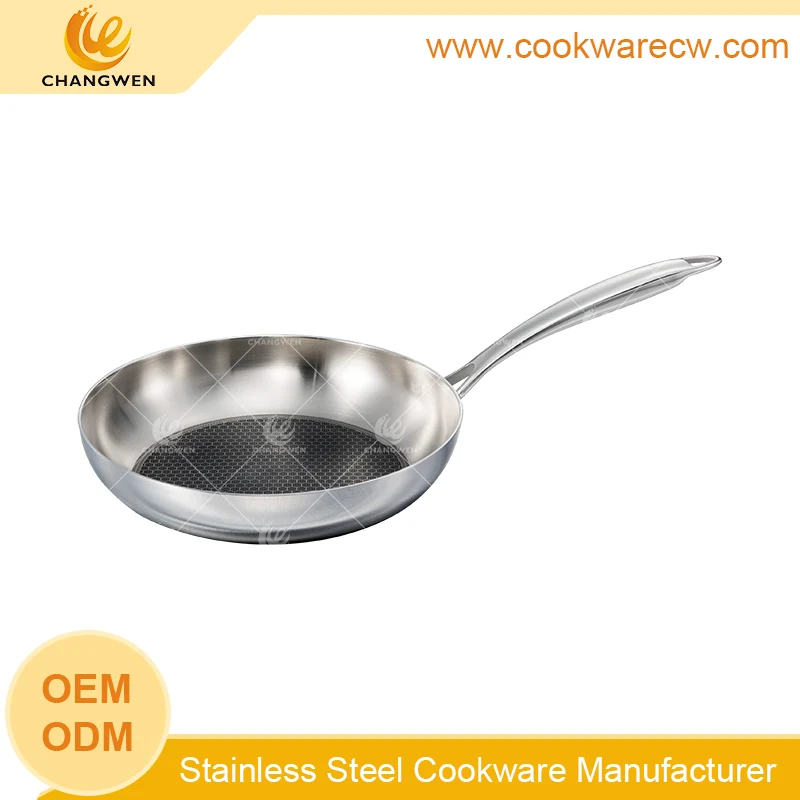
The compact 8 inch frying pan stainless steel design excels at:
- Individual portions (single eggs, personal omelets)
- Small-batch sauces and reductions
- Toasting spices or nuts
- Warming tortillas or small items
- Secondary tasks while larger pans handle main dishes
Perfect for singles, small kitchens, or as a supplemental pan in well-equipped kitchens. The smaller size heats quickly and uses less oil, though limited capacity restricts versatility.
10 Inch Stainless Steel Fry Pan
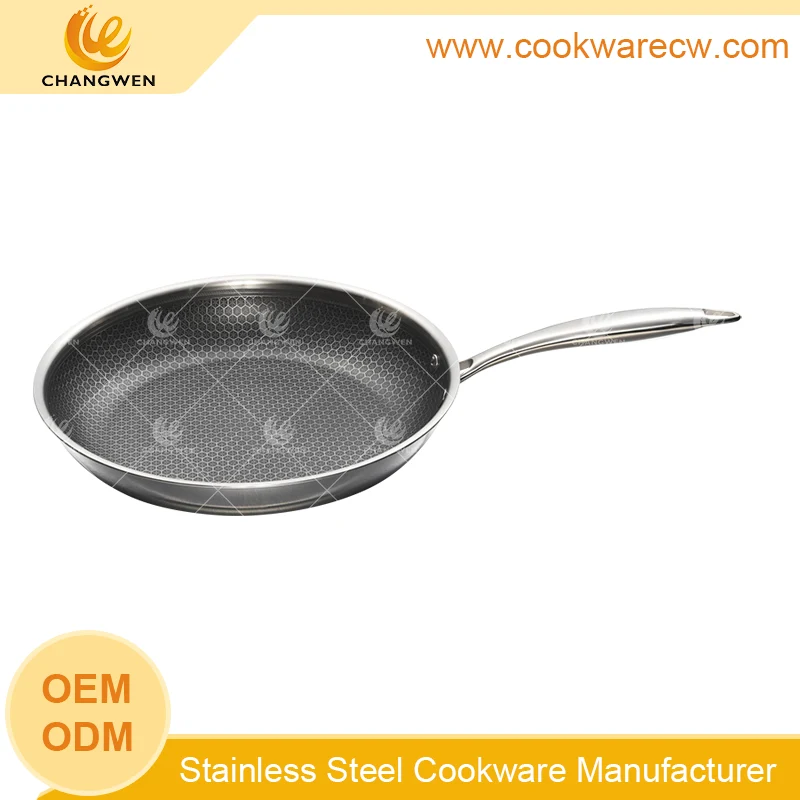
The versatile 10 inch stainless steel fry pan represents the ideal starting point for most home cooks, handling:
- Two-egg omelets or fried eggs for two people
- Single chicken breasts or pork chops
- Vegetables for 2-3 servings
- Small-batch pasta sauces
- Most everyday cooking tasks
A stainless steel frying pan 10 inch diameter offers the best balance between capacity and maneuverability for typical home cooking scenarios.
12 Inch Stainless Steel Frying Pan
The workhorse of professional and home kitchens alike, a 12 inch stainless steel frying pan accommodates:
- Family-sized portions (3-4 servings)
- Multiple protein pieces without crowding
- Stir-frying vegetables for a crowd
- One-pan meals combining proteins and vegetables
- Pan sauces with adequate surface area
If purchasing only one stainless steel pan, the 12-inch size delivers maximum versatility. The generous cooking surface prevents crowding—critical for proper browning and searing.
14 Inch Stainless Steel Frying Pan
The 14 inch stainless steel fry pan suits large families, entertaining, or batch cooking:
- Six or more servings simultaneously
- Multiple steaks or chicken breasts
- Large-volume stir-fries
- Shallow braising of substantial cuts
- Catering or meal prep scenarios
The substantial size requires adequate stovetop space, strong burners, and storage capacity. A 14 inch stainless steel fry pan also becomes quite heavy when full, requiring two-handed maneuvering.
Metric Sizing Options
International markets often list metric dimensions:
- Stainless steel frying pan 20cm(approximately 8 inches): Single-serving or small-batch tasks
- Stainless steel frying pan 28 cm(approximately 11 inches): Versatile mid-size option
- Stainless steel frying pan 30cm(approximately 12 inches): Standard workhorse size
- Stainless steel frying pan 32cm(approximately 12.5 inches): Generous capacity for larger households
When shopping internationally or from European manufacturers, verify metric measurements convert to your preferred working size.
Depth and Capacity Considerations

Beyond diameter, sidewall height impacts functionality:
Standard Frying Pans (2-2.5 inch sides): Traditional design optimal for flipping, tossing, and reducing liquids quickly. Best for sautéing, searing, and pan sauces.
Deep Frying Pans/Sauté Pans (3-3.5 inch sides): Higher walls contain splatter, accommodate more liquid, and suit braising or one-pan meals. Trade-off includes reduced evaporation and slightly more difficult food flipping.
Choose standard depth for traditional frying tasks; select deeper designs for versatile one-pan cooking combining searing and braising techniques.
Essential Features to Look For
Handle Design and Construction
The handle significantly impacts safety, comfort, and usability:
Material Options
- Stainless steel: Durable, oven-safe to any temperature, but conducts heat requiring pot holders
- Riveted design: Permanently attached with solid rivets through the pan wall—most secure but creates cleaning crevices
- Welded design: Seamlessly attached without rivets for easier cleaning, though potentially less durable under extreme use
- Stay-cool handles: Hollow construction or heat-resistant materials remain cooler during stovetop use
Ergonomic Considerations Quality handles feature comfortable grip angles, adequate length for leverage with full pans, and balanced weight distribution preventing tip-forward instability.
Oven-Safe Temperature Ratings
A stainless steel frying pan oven safe to high temperatures unlocks versatile cooking techniques:
Minimum Oven Rating: 400°F – Sufficient for finishing proteins, keeping food warm, and basic oven use
Ideal Oven Rating: 500°F+ – Enables searing in the pan then roasting in the oven, high-heat finishing, and broiler use
Unlimited Oven Rating – All-metal construction (including handles) withstands any oven temperature, though handle heat requires protection
Verify oven safety ratings before purchasing, especially if you plan finishing techniques like pan-to-oven searing or broiler-finished dishes.
Cooking Surface Characteristics
Polished vs. Brushed Finish
Polished interiors provide smooth, mirror-like surfaces showing imperfections readily but offering slightly superior release properties. Brushed finishes hide minor scratches and discoloration while performing identically for cooking.
Flat vs. Curved Cooking Surface
Premium pans feature generous flat cooking surfaces with minimal curvature where sidewalls meet the bottom. This design maximizes usable space and ensures even contact with proteins for superior browning.
Pour Spouts
Integrated pour spouts on both sides facilitate transferring liquids and sauces without drips. While convenient, they’re non-essential—quality rim design pours cleanly regardless.
Lid Compatibility
Consider whether you need a matching lid:
Included Lids: Some stainless steel frying pan set options include fitted lids, adding versatility for covered cooking, braising, and keeping food warm.
Universal Lids: Separately purchased lids fitting multiple pan sizes reduce storage requirements while maintaining functionality.
Lid Necessity: Frying pans traditionally work without lids for most applications. If you frequently braise, steam, or need covered cooking, ensure lid compatibility or select a pan including one.
Stainless Steel vs. Other Materials
Stainless Steel vs. Non-Stick Coatings
When Stainless Steel Excels:
- High-heat searing creating crusty exteriors
- Developing fond for pan sauces and deglazing
- Metal utensil compatibility
- Oven use at any temperature
- Longevity—decades of use vs. 2-5 years for non-stick
- Professional browning and caramelization
When Non-Stick is Preferable:
- Delicate fish fillets prone to sticking
- Egg dishes requiring minimal fat
- Low-fat cooking applications
- Easy cleanup priority
- Limited cooking experience
The Hybrid Solution: Stainless Steel Non Stick Frying Pan
Some manufacturers offer hybrid designs combining stainless steel construction with non-stick interior coatings. A non stick fry pan stainless steel exterior provides durability and oven safety while the coating offers release properties. However, these compromise stainless steel’s key advantages—you can’t develop fond, the coating eventually degrades, and high-heat searing damages the non-stick surface.
Most experienced cooks prefer dedicated tools: stainless steel for searing and sautéing, separate non-stick for eggs and delicate fish.
Stainless Steel vs. Cast Iron
Stainless Steel Advantages:
- Lower maintenance (no seasoning required)
- Acidic food compatibility
- Lighter weight for easier handling
- Responsive temperature control
- Dishwasher safe (though hand washing recommended)
Cast Iron Advantages:
- Superior heat retention
- Oven-safe to any temperature including campfires
- Natural non-stick surface when properly seasoned
- Trace iron fortification in food
Many well-equipped kitchens include both materials, using stainless steel for acidic sauces and precise temperature control, cast iron for heat retention and outdoor cooking.
Stainless Steel vs. Carbon Steel
Carbon steel frying pans occupy the middle ground between stainless and cast iron—lighter than cast iron, developing natural non-stick patina, but requiring seasoning maintenance. Stainless steel offers easier care and acidic food compatibility; carbon steel provides superior browning at lower price points.
Shopping for Stainless Steel Frying Pans
Stainless Steel Frying Pan Set vs. Individual Pieces
Set Advantages:
- Cost savings compared to individual purchases
- Matching aesthetics across your cookware
- Comprehensive size range covering most needs
- Often includes lids and complementary pieces
Set Disadvantages:
- May include unnecessary sizes you’ll rarely use
- Locked into single brand’s construction quality
- Limited ability to customize to your specific cooking style
Building Your Collection Individually: Start with a 10 inch stainless steel frying pan or 12 inch stainless steel frying pan as your foundation. Add complementary sizes based on actual cooking patterns rather than theoretical needs. This approach prevents wasting money on redundant pieces while allowing you to select best-in-class pans for each size.
Budget Considerations
Entry-Level ($30-$60 per pan): Disc-bottom construction, 18/8 stainless, lighter weight. Adequate for occasional use but prone to hot spots and warping with high heat or thermal shock.
Mid-Range ($80-$150 per pan): Quality tri-ply construction, 18/10 stainless steel, reputable manufacturers. The sweet spot for home cooks wanting professional performance without premium pricing. Expect decades of service with proper care.
Premium ($150-$400+ per pan): 5-ply construction, copper cores, heirloom quality, lifetime warranties. Marginal performance improvements over quality mid-range options—often more about aesthetics and brand prestige than cooking capability.
For most home cooks, investing in mid-range tri-ply construction provides optimal value. Allocate budget toward proper size selection and construction quality rather than brand premium or unnecessary features.
Where to Find “Stainless Steel Frying Pan Near Me”
Specialty Cookware Stores: Hands-on examination, expert guidance, and often cooking demonstrations help you make informed decisions. Sales staff can explain construction differences and recommend appropriate sizes.
Restaurant Supply Stores: Commercial-grade options at competitive prices, though aesthetics may be more utilitarian than consumer brands. Excellent source for workhorse pans emphasizing performance over appearance.
Department Stores: Carry major brands with frequent sales, though staff expertise varies considerably. Good option when you know exactly what you want.
Online Retailers: Broadest selection and often best prices, though you sacrifice in-person inspection. Read detailed reviews and verify return policies before purchasing.
Brand Reputation and Warranty
Established manufacturers typically offer:
- Lifetime warrantiescovering manufacturing defects (excluding normal wear, abuse, or improper care)
- Responsive customer servicefor questions and issues
- Consistent quality controlensuring your pan performs as expected
- Replacement part availabilityfor handles or lids
Research brand reputation through professional reviews, cooking forums, and long-term user experiences rather than relying solely on marketing claims.
How to Use a Stainless Steel Frying Pan
The Key to Non-Stick Performance: Proper Preheating
Stainless steel’s reputation for sticking stems from improper technique rather than material limitations. Master these fundamentals for excellent results:
The Water Droplet Test
- Place your empty stainless steel frying pan on medium-high heat
- Wait 3-4 minutes for thorough preheating
- Sprinkle a few drops of water on the surface
- Properly preheated pans cause water to form beads that roll around like ball bearings—called the “mercury ball” or Leidenfrost effect
- If water sizzles and evaporates immediately, the pan needs more heating time
This test ensures your pan reaches the temperature where proteins form a temporary crust that releases naturally once properly seared.
Proper Fat Addition
After preheating:
- Add cooking fat (oil, butter, or combination)
- Swirl to coat the entire cooking surface
- Heat until the fat shimmers but doesn’t smoke
- Add food immediately
The heated pan and fat create a temporary barrier preventing proteins from bonding directly to the stainless steel surface.
How to Fry an Egg in a Stainless Steel Pan
Many cooks believe eggs require non-stick pans, but a properly preheated stainless steel frying pan produces superior results:
Step 1: Preheat Thoroughly Use medium heat (not medium-high) and wait 3-4 minutes. Perform the water droplet test—eggs require slightly lower temperature than proteins.
Step 2: Add Sufficient Fat Use 1-2 tablespoons of butter, coating the entire surface. For healthier options, a tablespoon of olive oil works equally well.
Step 3: Add the Egg Crack the egg directly into the pan once the butter foam subsides. You should hear a gentle sizzle—not aggressive sputtering.
Step 4: Leave It Alone Resist the urge to move or flip the egg immediately. Allow 2-3 minutes for the proteins to set and naturally release from the surface.
Step 5: Gentle Release The egg will naturally release when ready. Use a thin, flexible spatula to gently test—if resistance is felt, wait another 30 seconds. Once released, flip for over-easy or remove for sunny-side-up.
Common mistakes causing sticking:
- Insufficient preheating
- Too little fat
- Moving the egg before proteins set
- Excessively high temperature causing the egg to stick before releasing
How to Cook with Stainless Steel Frying Pan: General Techniques
Searing Proteins
Stainless steel excels at creating restaurant-quality crusts:
- Pat proteins completely dry with paper towels (moisture prevents browning)
- Preheat the pan using the water droplet test
- Add high-smoke-point oil (avocado, grapeseed, refined vegetable)
- Season protein just before adding to the pan
- Place protein in the pan and leave undisturbed for 3-5 minutes
- The protein will naturally release when a proper crust forms—resist the urge to force it
- Flip once and repeat on the second side
Developing Fond and Making Pan Sauces
The browned bits stuck to the pan after searing—called fond—contain concentrated flavor. Never discard this:
- Remove cooked protein and keep warm
- If excess fat remains, pour off all but 1 tablespoon
- Add aromatics (shallots, garlic) and cook briefly
- Pour in liquid (wine, stock, cream)
- Use a wooden spoon to scrape the fond from the pan bottom—called deglazing
- Simmer to reduce and concentrate flavors
- Finish with butter, herbs, or cream
This technique transforms simple proteins into restaurant-quality dishes and fully utilizes stainless steel’s unique capabilities.
Sautéing Vegetables
- Preheat the pan with a water droplet test
- Add fat and heat until shimmering
- Add vegetables in a single layer without overcrowding
- Allow 1-2 minutes of undisturbed contact for caramelization
- Toss or stir, then allow another minute of contact
- Continue until vegetables reach desired doneness
Overcrowding releases moisture, preventing proper browning and causing steaming instead of sautéing.
Seasoning and Maintaining Stainless Steel Frying Pans
Do You Season a Stainless Steel Frying Pan?
Unlike cast iron, stainless steel doesn’t require traditional seasoning to build a non-stick patina. However, an optional “seasoning” process can improve performance in new pans:
How to Season a Stainless Steel Frying Pan (Optional)
This process smooths microscopic surface imperfections and can improve initial cooking performance:
- Wash the new pan thoroughly with hot, soapy water
- Dry completely
- Pour a thin layer of high-smoke-point oil (vegetable, canola, or grapeseed) covering the cooking surface
- Heat the pan on medium heat until the oil just begins to smoke
- Remove from heat and allow to cool completely
- Wipe out excess oil with paper towels
- Repeat 2-3 times if desired
Many cooks skip this step entirely without issue—proper preheating and fat usage matter more than seasoning for stainless steel performance.
How to Clean a Stainless Steel Frying Pan
Daily Cleaning After Normal Use
- Allow the pan to cool to room temperature (never plunge hot stainless steel into cold water—thermal shock can cause warping)
- Wash with warm water, dish soap, and a soft sponge
- For stubborn food residue, soak in warm, soapy water for 15-20 minutes
- Dry immediately with a dish towel to prevent water spots
Removing Stuck-On Food
When food adheres despite proper technique:
- Add water to cover the stuck areas and bring to a simmer
- Use a wooden spoon to gently scrape as the water loosens the food
- Allow to cool and wash normally
- For particularly stubborn residue, create a paste of baking soda and water, apply to affected areas, and let sit for 15 minutes before scrubbing
Removing Discoloration and Rainbow Stains
Heat discoloration (rainbow-colored stains) is harmless but cosmetically unappealing:
- Make a paste of baking soda and water or white vinegar
- Apply to discolored areas
- Let sit for 10-15 minutes
- Scrub gently with a non-abrasive sponge
- Rinse and dry thoroughly
Polishing for Like-New Appearance
For special occasions or periodic deep cleaning:
- Use commercial stainless steel cleaner (Bar Keeper’s Friend is excellent)
- Apply with a damp sponge in circular motions
- Rinse thoroughly—residue can affect food flavor
- Dry and buff with a microfiber cloth
What NOT to Do
- Avoid steel wool or abrasive scrubbers on cooking surfaces (fine for exterior)
- Never use chlorine bleach (causes pitting and corrosion)
- Don’t put hot pans in cold water (thermal shock causes warping)
- Skip the dishwasher if possible—hand washing extends pan life and maintains appearance
Long-Term Maintenance
Stainless steel frying pans improve with use as microscopic surface imperfections smooth out. To maximize lifespan:
- Store carefully to avoid scratches (hang or use pan protectors)
- Check handle tightness periodically, tightening screws if loose
- Avoid dragging pans across stovetops
- Use appropriate burner sizes (flames or heating elements shouldn’t extend up pan sides)
- Reserve stainless steel for appropriate tasks—avoid prolonged boiling of salted water (can cause pitting)
Specialty Stainless Steel Frying Pans
Stainless Steel Electric Frying Pan
A stainless steel electric frying pan combines the material benefits of stainless steel with electric heating element convenience. These countertop appliances suit:
- Small kitchens lacking adequate stovetop space
- Dorm rooms and offices
- Tabletop cooking and entertainment
- RVs and temporary housing
- Precise temperature control applications
Look for models with:
- Tri-ply construction for even heating despite electric elements
- Adjustable temperature controls with wide range
- Immersible designs for easy cleaning
- Tempered glass lids for monitoring
- Adequate capacity (12+ inches for versatility)
While electric models offer convenience, they lack the heat intensity and responsiveness of stovetop stainless steel cookware frying pans.
Specialty Shapes and Designs
Square Frying Pans: Maximize cooking surface on rectangular burners and accommodate more food in less stovetop space.
Divided Pans: Feature raised dividers separating the cooking surface into sections, allowing simultaneous preparation of multiple items without flavor transfer.
Chef’s Pans: Deeper sides (3.5-4 inches) and more vertical walls than traditional frying pans, bridging the gap between skillets and sauté pans.
Frequently Asked Questions
How Do You Cure a Stainless Steel Frying Pan?
“Curing” typically refers to cast iron seasoning rather than stainless steel preparation. For stainless steel, the optional seasoning process described earlier accomplishes similar goals—smoothing the cooking surface and improving initial performance.
However, the best “curing” for stainless steel happens naturally through regular use. As you cook with proper technique, microscopic surface variations smooth out and the pan becomes increasingly easier to use. Many cooks find their stainless steel pans perform better after months of regular cooking than when brand new.
Why Does Food Stick to My Stainless Steel Pan?
Food sticking typically results from:
Insufficient Preheating: The most common culprit. Use the water droplet test to verify proper temperature before adding food.
Too Little Fat: Inadequate oil or butter fails to create the necessary barrier between food and pan surface.
Moving Food Too Early: Proteins temporarily bond to stainless steel but naturally release once a crust forms. Attempting to flip or move food prematurely tears the surface.
Improper Temperature: Too low and food doesn’t sear properly; too high and proteins stick before natural release occurs.
Pan Quality Issues: Thin, poor-quality pans with hot spots cause uneven cooking and sticking.
Master the preheating technique and use adequate fat—these two factors eliminate 90% of sticking problems.
Can You Use Metal Utensils on Stainless Steel?
Yes, one of stainless steel’s major advantages is complete metal utensil compatibility. Unlike non-stick coatings that scratch and degrade, stainless steel withstands metal spatulas, whisks, tongs, and spoons without damage.
Minor scratches occur over time but don’t affect cooking performance—they’re considered normal wear rather than damage. This durability makes stainless steel ideal for the vigorous stirring, scraping, and manipulation required in professional cooking.
How Long Do Stainless Steel Frying Pans Last?
With proper care, quality stainless steel frying pans last 20-30+ years, often becoming family heirlooms passed to the next generation. The material doesn’t degrade, warp (if quality construction), or wear out like non-stick coatings.
Eventually, handles may loosen (though tightening screws resolves this), or you might want to upgrade for aesthetic reasons. But the cooking surface itself remains functional indefinitely.
This longevity makes stainless steel cookware an economical choice despite higher initial cost—a $150 pan lasting 25 years costs $6 annually, while $40 non-stick pans replaced every 3 years cost $13 annually with inferior performance.
What’s the Difference Between Frying Pans and Skillets?
These terms are essentially interchangeable in modern usage. Historically, “frying pan” referred to shallower designs while “skillet” indicated slightly deeper sides, but manufacturers now use the terms synonymously.
Both describe circular pans with sloped sides designed for sautéing, frying, and searing—distinguishing them from sauté pans with straight, vertical sides.
Are Expensive Stainless Steel Pans Worth the Cost?
Quality tri-ply construction matters significantly—the difference between $30 disc-bottom pans and $100 tri-ply pans justifies the investment through superior heat distribution, durability, and cooking performance.
However, the difference between $150 quality tri-ply pans and $300+ premium brands often provides diminishing returns. Unless you’re a professional chef or cooking enthusiast valuing marginal performance improvements and prestige branding, mid-range options from reputable manufacturers offer excellent value.
Focus on construction (tri-ply), material (18/10 stainless), appropriate sizing, and oven-safety rather than brand prestige when evaluating value.
Can Stainless Steel Frying Pans Go in the Dishwasher?
Most stainless steel frying pans are technically dishwasher-safe, but hand washing is strongly recommended for several reasons:
- Dishwasher detergents’ harsh chemicals can cause discoloration and dull the finish over time
- High heat and prolonged water exposure may loosen riveted handles faster
- Banging against other items can cause dents or scratches
- Hand washing takes just minutes and maintains the pan’s appearance
If you do use a dishwasher, verify your specific pan’s care instructions and use mild detergent on gentle cycles.
Building Your Stainless Steel Frying Pan Collection
The Essential Foundation
For most home cooks, start with these sizes:
First Purchase: 12-Inch Stainless Steel Frying Pan The versatile workhorse handling 80% of everyday cooking tasks. Invest in quality tri-ply construction—this pan will become your most-used piece of cookware.
Second Addition: 10-Inch Stainless Steel Fry Pan Complements your 12-inch for simultaneous cooking (protein in one, vegetables in another) or when the large pan is overkill for small portions.
Third Addition: 8-Inch or 14-Inch (Based on Needs) Add an 8 inch stainless steel frying pan for single servings and small batches, or a 14 inch stainless steel frying pan if you regularly cook for large groups.
Complementary Cookware
Once your frying pan foundation is established, consider:
- Sauté pan with lid: Straight sides and deeper profile for braising and covered cooking
- Saucepans: Stainless steel construction for acidic sauces, heating liquids, and small-batch cooking
- Stockpot: Large-capacity stainless steel for soups, stocks, and pasta
- Non-stick skillet: Dedicated egg pan complementing rather than replacing your stainless steel collection
A stainless steel frying pan set provides comprehensive coverage but evaluate whether you’ll actually use every included piece before committing to a complete set.
Conclusion: Investing in Culinary Excellence
Choosing the perfect stainless steel frying pan represents more than selecting cookware—it’s an investment in culinary capability, cooking enjoyment, and kitchen performance that improves with every use. While the initial learning curve requires attention to preheating and proper technique, the rewards of superior browning, versatile cooking capabilities, and decades of reliable service make stainless steel the choice of professionals and passionate home cooks alike.
Whether you start with a single 10 inch stainless steel frying pan or invest in a comprehensive stainless steel frying pan set, prioritize quality tri-ply construction, 18/10 stainless steel surfaces, and appropriate sizing for your household needs. Master the fundamental techniques of proper preheating, adequate fat usage, and patient cooking, and your stainless steel cookware will transform everyday ingredients into restaurant-quality results.
The perfect stainless steel frying pan isn’t just cookware—it’s the foundation for a lifetime of culinary achievement, a tool that rewards skill development and becomes more valuable the more you use it. Choose wisely, care for it properly, and it may well become an heirloom passed to the next generation of cooks in your family.
-
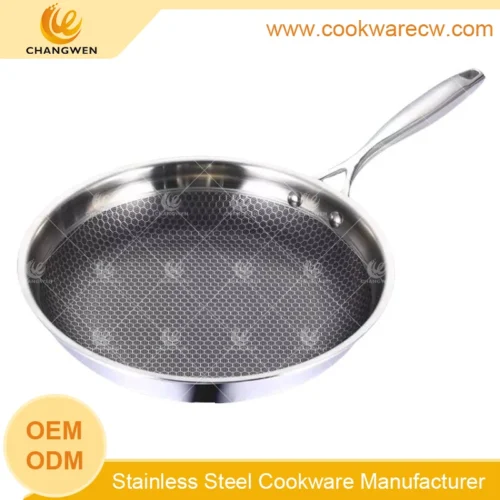
Honeycomb Stainless Steel Frying Pan for Even Cooking CW-TP011
-
Small Aluminum Pressure Cooker for Fast & Safe Home Cooking
-
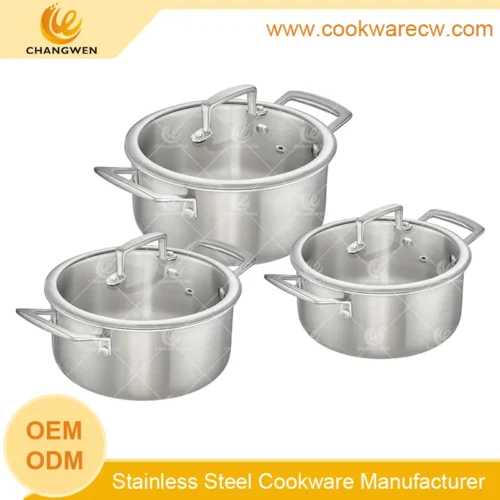
Versatile Stainless Steel Pot Set with Multiple Capacity Options CW-ETP018
-
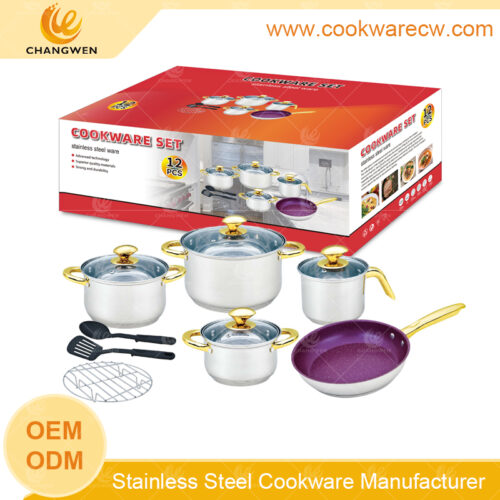
Cookware wholesaler 12pcs pots and pans stainless steel cooking sets kitchenware tools and steamer CW-M1211
-
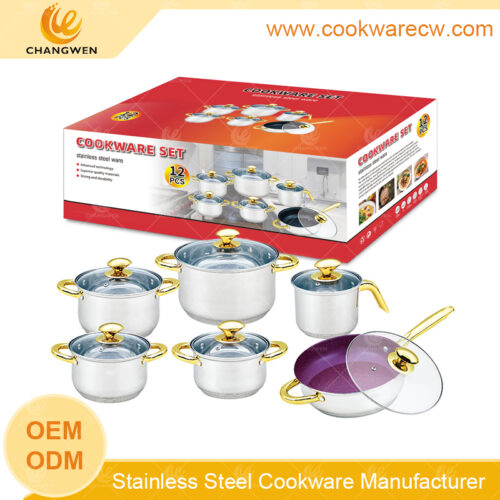
Factory pots wholesale cooking pot set mirror polished stainless steel pots nonstick frypan blue marble coating frying pan golden plated handles and knobs capsule bottom CW-M1212
-
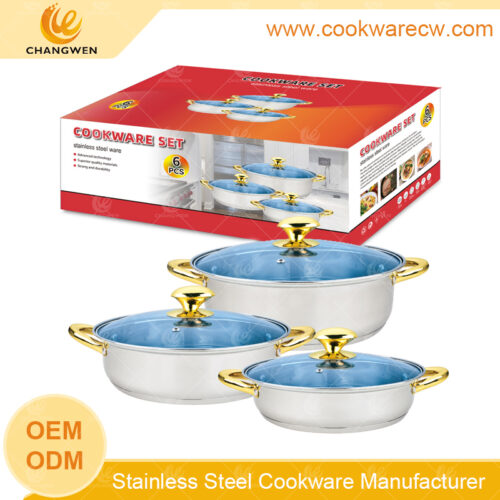
Cook Stainless Steel Stock Pot CW-M0606
-
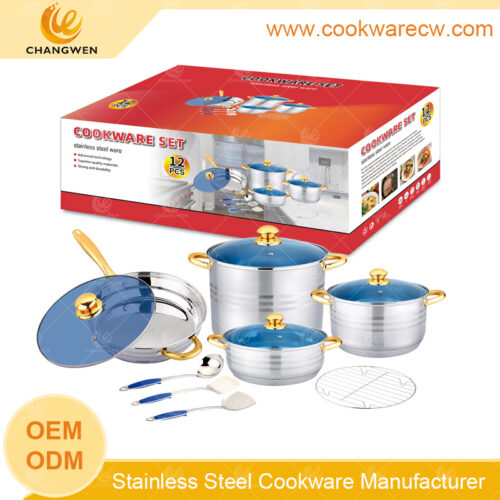
popular stainless steel 12pcs cookware set pots and pans casserole fry pan with kitchenware tools and wire reack CW-M1208
-
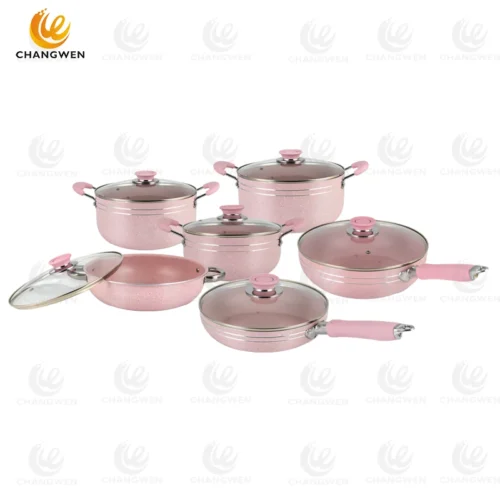
Ceramic Non Stick Aluminum Cookware Set