
A stainless steel steamer pot harnesses the power of steam to cook food gently while preserving nutrients, colors, and natural flavors. Unlike boiling, which can leach vitamins and minerals into cooking water, steaming surrounds food with hot vapor that cooks evenly without direct water contact. This gentle cooking method results in healthier, more vibrant dishes.
The typical stainless steel steamer pot consists of two or more components: a base pot that holds water for generating steam, and one or more perforated steamer baskets that sit above the water level. As water in the base pot heats, it creates steam that rises through the perforated bottom of the steamer basket, enveloping the food in gentle, moist heat.
Quality stainless steel construction offers numerous advantages over alternative materials. Stainless steel doesn’t react with acidic or alkaline foods, it won’t leach chemicals or metallic flavors, and it provides exceptional durability that withstands daily use. The material’s excellent heat retention properties ensure consistent steam generation while the non-porous surface resists bacteria and simplifies cleaning.

Key Takeaways
Essential Points for Choosing the Perfect Stainless Steel Steamer Pot:
- Construction Quality: Look for heavy-gauge stainless steel steamer pot with basket insert for even heat distribution and long-lasting durability
- Size Selection: Choose capacity based on household needs—from 3-quart for individuals to 10+ quart stainless steel steamer pot for tamales and large family gatherings
- Versatility Features: Best models include stainless steel steamer pot with lid (preferably tempered glass) and multi-tier options for cooking multiple foods simultaneously
- Material Matters: Premium stainless steel steamer pot made in USA options offer superior quality, though well-constructed imports provide excellent value
- Proper Usage: Understanding how to use stainless steel steamer pot correctly ensures optimal results, nutrient retention, and equipment longevity
Whether you’re seeking healthier cooking methods, preparing traditional recipes like tamales, or expanding your culinary repertoire, a quality stainless steel steamer pot represents an essential kitchen investment that delivers nutritious, flavorful meals for years.
Why Choose Stainless Steel for Steaming?
Selecting the right material for your steamer pot significantly impacts cooking performance, food safety, and long-term value. Stainless steel consistently outperforms alternatives across multiple criteria that matter to serious home cooks and professional chefs.

Superior Durability and Longevity
A quality stainless steel steamer pot withstands decades of regular use without degrading. Unlike aluminum steamers that dent easily or bamboo steamers that deteriorate over time, stainless steel maintains its structural integrity through thousands of cooking cycles. The material resists warping even under high heat, ensuring the pot sits level on your cooktop for efficient steam generation.
Heavy-gauge stainless steel construction provides maximum durability. Look for pots with thickness specifications (typically 18-gauge or thicker for commercial quality). This substantial construction distributes heat evenly across the base, preventing hot spots while maintaining consistent steam production throughout the cooking process.
Premium stainless steel steamer pot models include reinforced rims and professionally riveted handles that won’t loosen over time. These construction details separate equipment designed for occasional use from workhorses built for daily service in demanding kitchens.
Non-Reactive and Food-Safe
Stainless steel’s chemical stability makes it ideal for cooking all types of foods. Unlike reactive metals such as aluminum or copper, stainless steel won’t alter flavors or leach potentially harmful substances into your food. You can steam acidic vegetables like tomatoes, citrus-infused fish, or vinegar-marinated dishes without worrying about metallic flavors or chemical reactions.
The non-porous surface doesn’t absorb odors, colors, or flavors from previous cooking sessions. This characteristic proves particularly valuable when steaming strongly flavored foods—your steamer basket won’t carry garlic scents or curry colors into your next batch of delicate fish or vegetables.
Food safety certifications for cookware typically require stainless steel construction, particularly for commercial applications. The material’s resistance to bacterial growth and ease of sanitization make it the preferred choice for professional kitchens and health-conscious home cooks alike.
Easy Maintenance and Cleaning
One of stainless steel’s greatest practical advantages is effortless cleaning. The smooth, non-porous surface doesn’t trap food particles or require special cleaning products. Most stainless steel steamer pot with basket insert models are dishwasher-safe, though hand washing with warm, soapy water and a soft sponge typically suffices for routine cleaning.
Unlike bamboo steamers requiring careful drying to prevent mold or non-stick coatings that degrade with aggressive cleaning, stainless steel tolerates rigorous washing without damage. Stubborn mineral deposits from hard water clean easily with vinegar solution, while baking soda paste removes any minor discoloration without scratching the surface.
Stainless steel maintains its attractive appearance through years of use. While it may develop slight patina over time, proper care keeps it looking professional and presentable. This low-maintenance characteristic makes stainless steel steamers ideal for busy households where cooking equipment must perform reliably without extensive upkeep.
Versatility Across Heat Sources
Modern stainless steel steamer pots work on virtually all cooktops: gas, electric coil, smooth-top ceramic, and—when constructed with magnetic-grade stainless steel bases—induction cooktops. This universal compatibility provides flexibility as kitchen appliances evolve, ensuring your steamer pot investment remains functional regardless of future cooktop changes.
Many quality stainless steel steamers can transition to other cooking methods beyond steaming. The base pot often doubles as a stock pot for soups or pasta, while steamer inserts can function as colanders for draining. This multi-functionality maximizes value and reduces the number of specialized tools cluttering your kitchen.
Types of Stainless Steel Steamer Pots
Understanding different steamer pot configurations helps you select the design best suited to your cooking style and needs.
Single-Tier Steamer Pots
The most common configuration features a single steamer basket insert that fits into a corresponding base pot. A stainless steel steamer pot with basket insert of this type offers straightforward operation and typically ranges from 3 to 8 quarts capacity.
Single-tier designs excel for everyday steaming tasks: vegetables for dinner, dumplings for lunch, or fish fillets for a healthy meal. The simplicity of setup and cleaning makes these steamers ideal for frequent use. Most include a tight-fitting stainless steel steamer pot with lid to trap steam effectively.
When evaluating single-tier steamers, verify that the steamer basket sits securely in the pot without wobbling. It should position high enough above the water level (typically 1-2 inches clearance) to prevent boiling water from touching food during vigorous steaming. Handles on both the pot and basket should provide secure grip for safe handling when hot.
Multi-Tier Stackable Steamers
Multi-tier stainless steel steamer pot sets revolutionize meal preparation by allowing simultaneous cooking of different foods. These systems typically include two or three stackable steamer baskets that sit atop a single base pot, effectively creating multiple cooking chambers from one heat source.
The efficiency advantages are substantial. You can steam rice in the bottom basket, vegetables in the middle tier, and fish on top—creating a complete meal while using just one burner. This vertical cooking approach saves energy, reduces cooking time, and minimizes cleanup compared to using multiple pots.
Asian cuisines have long relied on multi-tier steamers for dim sum, dumplings, and traditional dishes. Modern stainless steel versions bring this efficient cooking method to contemporary kitchens with improved durability and easier maintenance than traditional bamboo steamers.
When using multi-tier steamers, arrange food strategically. Place items requiring longest cooking time in bottom baskets where steam is hottest. Delicate items or those needing less cooking go in upper tiers. Foods with strong flavors or those releasing juices should occupy lower positions to prevent dripping onto items below.
Pasta Pot Steamer Combinations
Versatile pasta pot steamer combinations provide multiple cooking functions in one piece of equipment. These innovative designs typically feature a large-capacity base pot (often 8-12 quarts), a perforated pasta insert for draining, and a steamer basket that fits inside.
This three-in-one configuration handles diverse tasks: boil pasta and drain it using the perforated insert, steam vegetables using the steamer basket, or use the base pot alone for soups and stocks. The multipurpose design justifies the investment for kitchens with limited storage space or cooks wanting maximum versatility from each piece of equipment.
Quality pasta pot steamer combinations include well-fitting lids (often tempered glass for visibility), comfortable handles on all components, and secure stacking mechanisms. The perforated inserts should lift easily for draining while containing foods securely.
Tamale Steamers and Specialty Designs
A specialized stainless steel steamer pot for tamales addresses the unique requirements of this traditional dish. Tamales require upright positioning during steaming and sufficient height to accommodate vertical stacking. Dedicated tamale steamers typically feature tall, narrow profiles (often 10-15 inches high) with steamer racks designed to hold tamales vertically.
Many quality tamale steamers include multiple racks or basket configurations allowing you to steam 2-3 dozen tamales simultaneously. The height ensures adequate steam circulation around vertically positioned tamales while the narrow footprint fits standard burners efficiently.
While specialized for tamales, these tall steamers also excel at steaming corn on the cob, asparagus spears, whole fish, and other items benefiting from upright positioning. The specialized design serves primary tamale-making purposes while providing versatility for other tall-item steaming needs.
Essential Features to Consider
Specific design features distinguish exceptional stainless steel steamer pots from mediocre options. Understanding these characteristics guides your selection toward equipment that performs reliably and lasts for years.
Capacity and Size Selection
Steamer pot capacity should match your typical cooking quantities. Consider household size and entertaining frequency when selecting capacity:
3-4 Quart Steamers: Ideal for individuals or couples, these compact sizes handle everyday vegetable portions, small batches of dumplings, or single servings of fish. They heat quickly and store easily in smaller kitchens.
6-8 Quart Steamers: The most versatile size for average families, accommodating dinner vegetables for 4-6 people, whole fish, or moderate quantities of dumplings. This capacity balances functionality with manageability—large enough for family meals without being unwieldy.
10+ Quart Steamers: Large families, entertainers, and those preparing traditional dishes like tamales benefit from these substantial steamers. A 12-quart stainless steel steamer pot for tamales can prepare several dozen simultaneously, while also handling large-batch meal prep for freezing.
Beyond quart capacity, consider physical dimensions. Measure your cooktop and storage spaces to ensure your chosen steamer fits comfortably. Taller steamers require adequate clearance beneath range hoods or overhead cabinets.
Lid Design and Material
A tight-fitting stainless steel steamer pot with lid prevents steam loss that extends cooking times and wastes energy. The best lids create effective seals without requiring excessive pressure to seat properly. Look for lids with slight dome shapes that allow condensation to roll down sides rather than dripping onto food below.
Lid material choices each offer distinct advantages:
Tempered Glass Lids: Allow visual monitoring without removing the cover and releasing steam. You can check food doneness and water levels at a glance. Quality glass lids include vented holes or steam release mechanisms preventing pressure buildup. Glass lids prove particularly useful for steaming items with variable cooking times where visual cues help determine doneness.
Stainless Steel Lids: Offer superior durability and heat retention compared to glass. All-metal construction eliminates breakage concerns and typically withstands higher temperatures if you ever use the pot in the oven. Professional kitchens often prefer stainless steel lids for their longevity in demanding environments.
Vented Lids: Include small holes or adjustable vents allowing excess steam to escape. This feature prevents pressure buildup while maintaining adequate moisture for proper steaming. Vented designs work particularly well for longer steaming sessions.
Lid handles should provide comfortable, secure grip while staying cool during stovetop use. Riveted handles offer superior durability compared to screwed or welded attachments.
Basket Insert Design
The steamer basket represents the heart of the system, and its design significantly impacts cooking performance and versatility.
Perforation Pattern: Small, evenly distributed holes allow steam circulation while supporting food securely. Hole size should prevent smaller items like peas or grains from falling through while still permitting adequate steam flow. Quality baskets feature consistent perforation patterns across the entire surface.
Basket Height and Depth: Deeper baskets accommodate more food per steaming session but require larger pots. Evaluate typical cooking quantities when choosing basket depth. Some models offer shallow baskets for delicate items like fish and deeper versions for root vegetables or dumplings.
Handles and Lifting Mechanisms: Secure, heat-resistant handles allow safe removal of hot baskets. Look for handles that fold flat when not in use (simplifying storage) but extend firmly when lifted. Some premium models include helper handles on opposite sides for two-handed lifting of heavy loads.
Feet or Rim Design: Steamer baskets need adequate clearance above boiling water. Most achieve this through legs/feet that rest on the pot rim or specially designed rims that position the basket at proper height. Verify that your chosen basket maintains at least 1-1.5 inch clearance above maximum water level.
Handle Construction
Quality handles make the difference between convenient cooking and frustrated wrestling with hot, heavy pots. Evaluate handle design carefully:
Material: Stainless steel handles with hollow construction or heat-dissipating designs stay cooler during use than solid metal handles. Some models feature silicone or bakelite handle covers providing heat protection and improved grip.
Attachment Method: Riveted handles provide maximum strength and durability compared to welded or screwed attachments. Rivets should sit flush with interior cooking surfaces to prevent food from catching and simplifying cleaning.
Ergonomics: Comfortable handle diameter, adequate length, and proper angle reduce hand fatigue during extended cooking sessions. Handles should balance the pot properly whether empty or full of hot food.
Helper Handles: Larger steamers (typically 8 quarts and above) benefit from secondary handles opposite the main handle. These assist with safe two-handed lifting and maneuvering when the pot contains hot water and food.
Base Construction and Heat Distribution
The pot’s base determines how efficiently it generates and maintains steam. Superior base construction translates to faster heating, more consistent results, and lower energy costs.
Tri-Ply or Multi-Clad Bases: Premium stainless steel steamer pots feature layered base construction with aluminum or copper cores sandwiched between stainless steel layers. This design combines stainless steel’s durability with superior heat conductivity of aluminum or copper, ensuring even heat distribution across the entire base.
Encapsulated Disc Bases: Mid-range steamers often feature impact-bonded aluminum discs on the bottom. While not as effective as full multi-clad construction, quality disc bases still provide significantly better heat distribution than single-layer stainless steel.
Magnetic Bases: For induction cooktop compatibility, the steamer pot base must contain magnetic-grade stainless steel. Test induction compatibility with a magnet—if it adheres firmly to the base, the pot will work on induction cooktops.
Flat, Thick Bases: Heavy-gauge flat bases ensure stable positioning on cooktops and provide thermal mass that maintains consistent temperatures during steaming. Avoid thin bases that may warp under high heat.
Material Quality and Construction Standards
Not all stainless steel offers identical performance. Understanding grades and construction quality helps you identify equipment built to last.
Stainless Steel Grades Explained
18/8 and 18/10 Stainless Steel: These numerical designations indicate chromium and nickel content (18% chromium, 8-10% nickel). Both formulations provide excellent corrosion resistance, durability, and food safety. The slightly higher nickel content in 18/10 offers marginally better corrosion resistance and a brighter finish, though practical performance differences are minimal for typical cooking applications.
304 Stainless Steel: The most common food-grade stainless steel, offering outstanding durability, corrosion resistance, and non-reactive properties. Quality cookware manufacturers typically use 304-grade stainless steel for cooking surfaces that contact food.
430 Stainless Steel: Less expensive than 300-series steel and naturally magnetic (making it suitable for induction bases), but more prone to corrosion. Some manufacturers use 430-grade steel for outer layers or bases while maintaining 304-grade steel for food-contact surfaces.
Gauge Thickness Considerations
Metal gauge indicates thickness—counterintuitively, lower gauge numbers mean thicker metal. Quality stainless steel steamer pots typically range from 16 to 22 gauge:
16-18 Gauge: Commercial-quality heavy-gauge construction provides maximum durability and heat retention. These substantial steamers resist denting and warping while offering superior performance. Professional kitchens typically specify this gauge range.
20-22 Gauge: Standard for quality home cookware, providing good durability at more accessible prices. Properly constructed 20-22 gauge steamers serve home kitchens reliably for decades.
Heavier gauge construction costs more initially but delivers better long-term value through extended lifespan and superior cooking performance.
Manufacturing Standards and Certifications
When searching for a stainless steel steamer pot near me or shopping online, certain quality indicators help identify well-manufactured products:
Food-Safe Certifications: Look for FDA-approved or food-grade certifications confirming the materials meet safety standards for food contact. NSF certification indicates commercial foodservice-grade quality.
Country of Origin: A stainless steel steamer pot made in USA typically adheres to strict manufacturing standards and quality control. American-made cookware brands like All-Clad, Made In, and American Kitchen maintain reputations for exceptional quality. However, well-established international brands also produce excellent steamers meeting high standards—country of origin alone doesn’t guarantee quality, but reputable manufacturers maintain consistent standards regardless of production location.
Warranty Coverage: Manufacturers confident in their products offer substantial warranties—often lifetime guarantees against defects. Generous warranty terms indicate quality construction and materials.
How to Use Stainless Steel Steamer Pot: Step-by-Step Guide
Proper steaming technique ensures optimal results while protecting your equipment.
Basic Steaming Technique
Understanding how to use stainless steel steamer pot correctly produces perfectly cooked foods while maximizing equipment longevity:
- Add Water to Base Pot: Pour water into the base pot to reach approximately 1-2 inches depth. Water level should sit at least 1 inch below the steamer basket when inserted. Too much water may boil up and touch food; too little risks boiling dry.
- Bring Water to Boil: Place the base pot on your cooktop and heat on medium-high until water reaches a rolling boil. Starting with boiling water reduces overall cooking time.
- Prepare Food: While water heats, prepare foods for steaming. Cut vegetables into uniform sizes ensuring even cooking. Pat proteins dry to prevent excess moisture. Arrange food in steamer basket in single layer when possible, allowing steam circulation.
- Insert Steamer Basket: Once water boils, carefully place the steamer basket containing food into the pot. The basket should sit securely above boiling water without tilting or wobbling.
- Cover with Lid: Immediately cover with the lid to trap steam. Ensure the lid seats properly creating an effective seal.
- Adjust Heat: Reduce heat to medium or medium-low. You want vigorous steaming without violent boiling. Excessive heat wastes energy and may cause water to boil dry.
- Monitor and Add Water: Check periodically that adequate water remains in the base pot. For longer steaming sessions (over 15-20 minutes), keep a kettle of boiling water ready to add if needed. Never allow the pot to boil dry, which can damage the base and create safety hazards.
- Test for Doneness: Check food doneness using appropriate methods (fork-tender for vegetables, proper internal temperature for proteins). Remove lid carefully, tilting it away from you to avoid steam burns.
- Remove Food: Using heat-resistant gloves or pot holders, lift the steamer basket from the pot. Allow excess moisture to drain briefly before transferring food to serving dishes.
Steaming Different Foods
Optimal steaming times and techniques vary by food type:
Vegetables: Most vegetables steam in 5-15 minutes depending on density and cut size. Tender vegetables like spinach need just 2-3 minutes, while dense vegetables like carrots or potatoes require 10-15 minutes. Maintain vibrant colors by not overcooking—vegetables should be tender-crisp unless preparing for purees or specific preparations requiring soft texture.
Seafood: Fish fillets steam in 8-12 minutes depending on thickness. Whole fish requires 15-25 minutes based on size. Shellfish like mussels or clams steam until shells open (5-8 minutes). Delicate seafood benefits from lower heat settings preventing rubbery textures.
Dumplings and Dim Sum: Asian dumplings typically steam for 8-12 minutes. Line steamer basket with parchment paper, cabbage leaves, or lightly oil the surface to prevent sticking. Arrange dumplings with slight spacing allowing steam circulation.
Tamales: Traditional tamales require 1-2 hours steaming in a stainless steel steamer pot for tamales. Position tamales upright with open end facing up. Check water level every 20-30 minutes, adding boiling water as needed. Tamales are done when husks pull away easily from masa.
Grains and Puddings: Couscous, rice, and steamed puddings benefit from steaming method. Place grains or pudding mixture in heatproof dish, set inside steamer basket, and steam as recipe directs. This gentle, indirect cooking produces light, fluffy results.
Safety Tips and Best Practices
Proper safety practices prevent accidents and equipment damage:
Steam Burns Prevention: Always open lids away from your face and body. Steam escaping from beneath a lifted lid can cause serious burns. Use long oven mitts protecting forearms when removing lids or baskets.
Stable Positioning: Ensure the pot sits level and stable on your cooktop. Use appropriate burner size—excessively large burners with flames extending beyond the pot base waste energy and may damage handles.
Prevent Dry Boiling: Never leave steamers unattended for extended periods. Set timers reminding you to check water levels. Dry boiling damages pot bases and creates fire hazards.
Cool Before Cleaning: Allow pots to cool gradually before cleaning. Plunging hot stainless steel into cold water (thermal shock) may cause warping.
Food Safety: Steam foods to proper internal temperatures for safety. Use instant-read thermometers verifying that proteins reach safe temperatures (145°F for fish, 165°F for poultry).
Specialized Applications and Recipes
Exploring diverse applications maximizes your steamer pot’s utility:
Traditional Tamale Preparation
Preparing authentic tamales requires proper equipment and technique. A dedicated stainless steel steamer pot for tamales simplifies this traditional process:
- Pot Setup: Fill the base pot with water to about 2-3 inches depth. Some cooks add coins or marbles to the bottom—when water runs low, the rattling sound provides audible warning.
- Position Tamales: Stand tamales upright in the steamer basket with open ends facing up. This positioning prevents filling from spilling out during cooking. Pack tamales relatively tightly to keep them upright, but allow some spacing for steam circulation.
- Steam Duration: Steam for 1-2 hours depending on tamale size. Check water levels every 20-30 minutes, adding boiling water as needed.
- Doneness Test: Tamales are ready when husks pull away cleanly from the masa without sticking. Allow them to rest 10-15 minutes before serving.
Asian Cuisine Applications
Stainless steel steamers excel at Asian cooking techniques:
Dim Sum: Steam dumplings, buns, and other dim sum favorites. Prevent sticking by lining baskets with parchment paper circles (cut with holes for steam circulation) or cabbage leaves.
Whole Fish: Traditional Chinese whole steamed fish benefits from gentle steam cooking. Season fish with ginger, scallions, and soy sauce. Steam until flesh flakes easily (approximately 10 minutes per inch of thickness).
Custards and Puddings: Delicate egg custards and steamed puddings develop silky textures through gentle steam cooking. Place custard cups in steamer basket, ensuring water doesn’t splash into custards during cooking.
Batch Cooking and Meal Prep
Efficient meal preparation utilizes steamer capacity fully:
Multiple Vegetables: Stack different vegetables in multi-tier steamers, placing denser items requiring longer cooking in lower baskets. This technique produces several vegetable side dishes simultaneously.
Protein and Sides: Steam chicken breast or fish in one tier while vegetables cook below. This one-pot approach simplifies meal prep while reducing cleanup.
Batch Freezing: Steam large quantities of vegetables for freezing. Blanch vegetables by steaming until just tender, then quickly cool in ice water. Drain, portion, and freeze for convenient future use.
Shopping Guide: Where and How to Buy
Strategic shopping ensures you find quality equipment at fair prices.
Finding Stainless Steel Steamer Pot Near Me
Local shopping offers hands-on evaluation before purchasing:
Kitchen Supply Stores: Specialty kitchen retailers stock quality cookware and employ knowledgeable staff who can explain features and demonstrate proper usage. You can physically inspect construction quality, test lid fit, and assess handle comfort.
Department Stores: Home goods sections in major department stores typically carry steamer pots across various price ranges. Selection may be limited compared to specialty retailers, but frequent sales provide value opportunities.
Restaurant Supply Stores: Commercial kitchen suppliers offer professional-grade equipment often at competitive prices. While designed for commercial use, many restaurant supply items suit serious home cooks seeking maximum durability.
Outlet Stores: Cookware manufacturers often operate outlet locations offering discontinued models or cosmetically imperfect items at substantial discounts. These “seconds” typically perform identically to perfect items despite minor cosmetic issues.
Online Shopping Considerations
Internet retailers provide extensive selection and competitive pricing:
Product Research: Read detailed specifications, customer reviews, and professional evaluations. Look for reviews from verified purchasers who’ve used the steamer extensively, providing insights beyond marketing descriptions.
Price Comparison: Compare prices across multiple retailers including shipping costs. Set price alerts on desired items to notification when prices drop.
Return Policies: Verify return windows and conditions before purchasing. Generous return policies protect you if the steamer doesn’t meet expectations or arrive damaged.
Retailer Reputation: Purchase from established retailers with strong customer service reputations. Authorized dealers ensure warranty validity and provide recourse if issues arise.
Understanding Stainless Steel Steamer Pot Sets Pricing
Steamer pot pricing varies significantly based on capacity, construction quality, and included features:
Budget Options ($30-$60): Entry-level steamers suitable for occasional use. Typically feature single-layer stainless steel construction, basic disc bases, and standard lids. Adequate for testing steaming methods or light-duty applications.
Mid-Range Quality ($60-$150): The sweet spot for most home cooks. Expect multi-ply bases or quality impact-bonded discs, comfortable handles, glass or quality stainless steel lids, and durable construction supporting regular use. Stainless steel steamer pot sets in this range often include multiple basket options or pasta insert combinations.
Premium Models ($150-$400+): Professional-quality construction featuring full multi-clad bodies, precision manufacturing, exceptional heat distribution, and often lifetime warranties. Premium stainless steel steamer pot made in USA options typically fall in this category. These investments serve serious cooks and professional applications where quality and performance justify higher costs.
Evaluating Value for Money
Price alone doesn’t determine value. Consider total cost of ownership:
Longevity: A $120 steamer lasting 20+ years costs less annually than a $40 model requiring replacement every 3-5 years.
Energy Efficiency: Better heat distribution in quality multi-clad construction reduces cooking times and energy consumption.
Versatility: Steamers doubling as stock pots or including multiple inserts eliminate need for separate specialized equipment.
Warranty Coverage: Comprehensive warranties protecting against defects provide peace of mind and may save replacement costs if issues develop.
Care and Maintenance for Long-Term Performance
Proper maintenance extends equipment life while maintaining optimal performance.
Daily Cleaning Routine
Establish consistent cleaning habits:
- Cool Down: Allow steamer components to cool to comfortable handling temperature before cleaning. Avoid thermal shock by not plunging hot stainless steel into cold water.
- Basic Washing: Clean with warm water, mild dish soap, and soft sponge or cloth. The non-porous stainless steel surface releases food residues easily with gentle scrubbing.
- Thorough Rinsing: Rinse completely to remove all soap residue. Soap film can leave streaks or affect food flavors in subsequent cooking.
- Immediate Drying: Dry all components with clean towels. This prevents water spots and mineral deposits while maintaining the polished finish.
- Check Gaskets and Vents: If your stainless steel steamer pot with lid includes rubber gaskets or pressure release valves, inspect and clean these components ensuring proper function.
Removing Stubborn Stains and Discoloration
Despite regular cleaning, stainless steel may develop mineral deposits, heat tint, or discoloration:
Hard Water Deposits: White, chalky buildup from mineral deposits clean easily with white vinegar. Fill the pot with equal parts water and vinegar, bring to boil, let sit for 15 minutes, then wash normally.
Heat Tint (Rainbow Discoloration): Blue or rainbow discoloration from overheating is harmless but cosmetically unpleasing. Remove with vinegar cleaning or specialized stainless steel cleaner. Prevention involves maintaining proper heat levels—medium to medium-high heat suffices for steaming.
General Discoloration: Create a paste from baking soda and water. Apply to discolored areas, let sit 15-20 minutes, then gently scrub with non-abrasive pad. Rinse thoroughly and dry immediately.
Commercial Cleaners: Products like Bar Keeper’s Friend effectively remove tough stains while restoring shine. Follow manufacturer instructions and rinse completely before next use.
Long-Term Storage
When storing steamers for extended periods:
- Complete Cleaning: Wash and dry thoroughly before storage. Residual food particles or moisture can cause staining or odors during storage.
- Separate Components: Store basket inserts separately from pots, or nest with protective padding between pieces preventing scratches.
- Dry Environment: Keep in dry storage locations preventing moisture exposure that might cause water spots or minor surface oxidation.
- Occasional Use: Even during storage periods, occasional use prevents stagnation and verifies equipment remains functional when needed.
Frequently Asked Questions
What size stainless steel steamer pot do I need?
Size selection depends on household size and cooking needs:
- 3-4 Quart: Perfect for individuals or couples, handling vegetable side dishes for 2-4 people or small batches of dumplings
- 6-8 Quart: Ideal for average families (4-6 people), accommodating dinner vegetables, whole fish, or moderate quantities of tamales
- 10-12+ Quart: Large families, entertainers, or traditional cooking (like tamale preparation) benefit from these capacities
Consider your most frequent steaming applications when selecting size. If choosing only one steamer, 6-8 quart capacity offers optimal versatility for most households.
Can I use my stainless steel steamer pot on an induction cooktop?
Many modern stainless steel steamer pots include induction-compatible bases, but not all do. Induction cooktops require magnetic cookware bases. Test compatibility with a simple magnet—if it adheres firmly to the pot’s bottom, the steamer will work on induction.
Quality steamers often feature magnetic-grade stainless steel (usually 400-series) in the base layer specifically for induction compatibility, even when interior cooking surfaces use non-magnetic 300-series stainless steel. Product specifications should clearly indicate induction compatibility if the feature is included.
How much water should I put in the steamer pot?
Fill the base pot with enough water to generate steam throughout your cooking time without boiling dry—typically 1-2 inches depth. The water level must remain at least 1 inch below the steamer basket when inserted.
For longer steaming sessions (over 20 minutes), keep a kettle of boiling water ready to add as needed. Monitor water levels periodically. The pot should never boil dry, which can damage the base and create safety hazards. Some cooks add a coin or marble to the bottom—when water runs low, the rattling sound provides audible warning.
What’s the difference between a steamer pot and a regular pot with a steamer insert?
Dedicated steamer pots are purpose-designed with features optimizing steaming performance:
- Proper depth ratios between base pot and basket ensuring adequate steam generation space
- Perforated baskets with hole patterns and spacing maximizing steam circulation
- Lids designed to trap moisture effectively while allowing controlled steam release
- Base pot capacity matched to basket volume for efficiency
Regular pots with aftermarket steamer inserts may work adequately, but purpose-designed steamers typically offer better performance, fit, and convenience. If you steam frequently, dedicated equipment justifies the investment through superior results and ease of use.
How do I prevent food from sticking to the steamer basket?
Several techniques prevent sticking:
- Light Oiling: Brush the steamer basket lightly with neutral oil before adding food. This works particularly well for proteins and sticky items like dumplings.
- Parchment Paper: Cut parchment paper circles to fit your basket, punching holes for steam circulation. This creates a non-stick barrier while allowing proper steaming.
- Lettuce or Cabbage Leaves: Traditional Asian cooking uses leafy vegetables as natural non-stick barriers. Arrange leaves on basket bottom before adding dumplings or buns.
- Proper Spacing: Avoid overcrowding. Leave small gaps between food items allowing steam circulation and preventing items from steaming together and sticking.
- Adequate Steam: Ensure vigorous steaming. Insufficient steam can cause condensation dripping onto food, creating sticky conditions.
Is it safe to steam acidic foods in stainless steel?
Yes, stainless steel’s non-reactive properties make it safe for all foods including acidic items like tomatoes, citrus, or vinegar-based preparations. Unlike aluminum or copper, stainless steel won’t react with acidic foods or leach metallic flavors into your dishes.
This non-reactivity represents one of stainless steel’s key advantages over alternative materials. You can steam acidic vegetables, citrus-infused fish, or any other acidic preparation without concerns about chemical reactions affecting food safety or flavor.
Can I use my steamer pot for purposes other than steaming?
Quality stainless steel steamer pots offer excellent versatility beyond steaming:
Base Pot Uses: When not steaming, the base pot functions as a regular stock pot or saucepan for soups, pasta, stocks, or any liquid-based cooking.
Basket as Colander: The perforated steamer basket serves as an effective colander for draining pasta, washing vegetables, or rinsing grains.
Double Boiler: Create a makeshift double boiler by placing a heat-proof bowl over the base pot with simmering water—perfect for melting chocolate or making delicate sauces.
Blanching: Use the steamer setup to blanch vegetables for freezing or further preparation.
This multi-functionality maximizes your investment and reduces the number of specialized tools needed in your kitchen.
What’s the best way to clean burnt-on food from the bottom of my steamer pot?
For stubborn burnt-on residue:
- Soak Method: Fill the pot with warm water and dish soap, let soak for 30 minutes to loosen residue.
- Baking Soda Boil: Add 2-3 tablespoons baking soda to water in the pot, bring to boil, simmer for 10 minutes. The alkaline solution helps break down burnt food. Let cool, then scrub with non-abrasive pad.
- Vinegar Soak: For mineral deposits or light burning, use equal parts water and white vinegar. Boil for 5 minutes, let sit for 15 minutes, then wash normally.
- Bar Keeper’s Friend: For tough cases, this oxalic acid-based cleaner effectively removes burnt residue. Make a paste, apply to affected areas, let sit briefly, then scrub and rinse thoroughly.
- Avoid Abrasives: Never use steel wool or harsh abrasive pads that scratch stainless steel surfaces. Scratches create crevices where food can stick in future cooking.
Are expensive stainless steel steamer pots worth the investment?
Value depends on usage frequency and quality expectations:
Worth the Investment If:
- You steam frequently (several times weekly)
- You want equipment lasting decades with proper care
- Superior heat distribution matters for your cooking style
- You appreciate premium construction and features like multi-tier configurations
Budget Options May Suffice If:
- You steam occasionally (monthly or less)
- Storage space is extremely limited
- Budget constraints are significant
- You’re new to steaming and want to test the cooking method before major investment
Quality stainless steel steamer pots from reputable manufacturers often include lifetime warranties and feature construction supporting decades of use. Calculate cost-per-use over expected lifespan—premium equipment often proves more economical long-term than frequently replacing budget alternatives.
For serious home cooks or those preparing traditional foods like tamales regularly, investing in quality equipment enhances cooking experience and results while proving cost-effective over time.
Conclusion: Making the Right Choice
Selecting the perfect stainless steel steamer pot involves balancing capacity needs, construction quality, features, and budget. Whether you need a specialized stainless steel steamer pot for tamales, a versatile stainless steel steamer pot with basket insert for everyday healthy cooking, or comprehensive stainless steel steamer pot sets outfitting your kitchen completely, understanding key quality indicators helps you make informed decisions.
Prioritize construction features that ensure longevity: heavy-gauge stainless steel, multi-ply or quality disc bases for even heating, secure lid fits, and comfortable, durably attached handles. While a premium stainless steel steamer pot made in USA offers exceptional quality, well-constructed imports from reputable manufacturers also provide excellent value and performance.
Understanding how to use stainless steel steamer pot correctly maximizes your equipment investment while producing nutritious, flavorful meals. Proper care and maintenance extend equipment life significantly, making quality steamers true long-term kitchen investments rather than disposable tools.
Whether you’re embracing healthier cooking methods, preserving traditional culinary techniques, or simply expanding your cooking repertoire, a quality stainless steel steamer pot becomes an invaluable kitchen partner delivering delicious, nutritious meals for years to come.
-
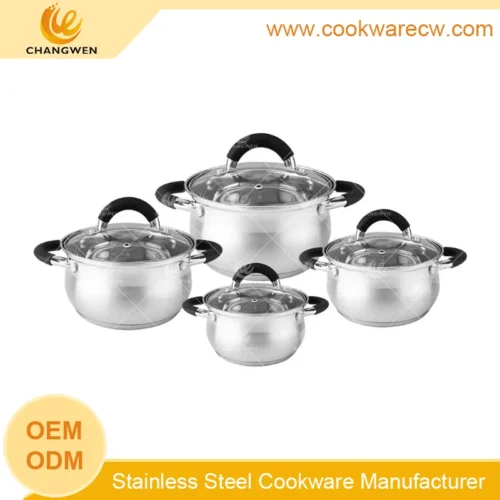
8-Piece Stainless Steel Pot Set with Black Silicone Handles CW-ES0810G
-
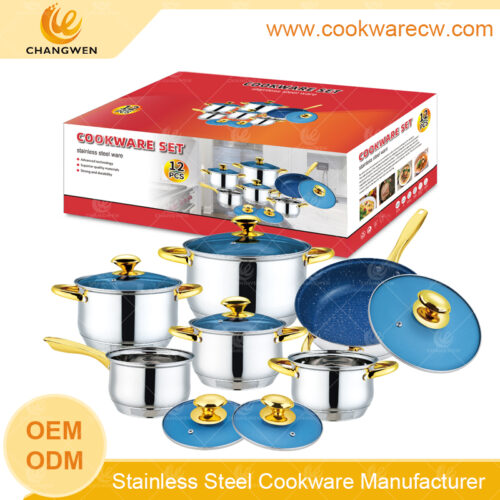
China manufacturer stainless steel 12pcs cookware set non-stick frying pan blue glass lid golden handles & knobs CW-M1209N
-
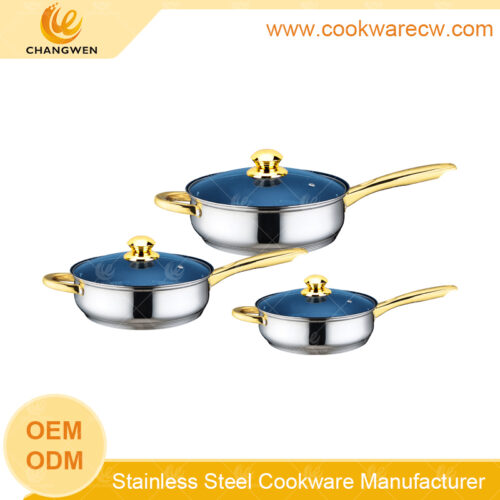
Best Nonstick Stainless Steel Pan
-
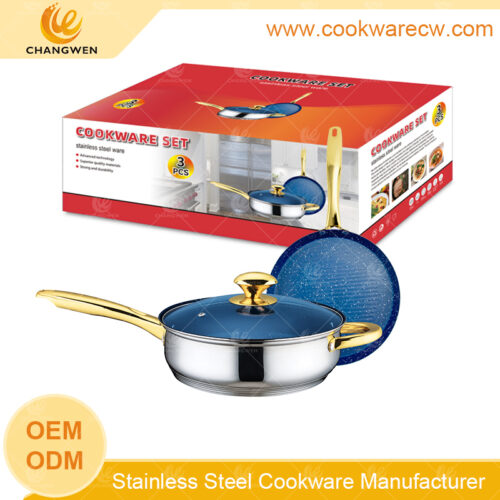
China factory wholesale blue marble nonstick coating fry pan set stainless steel mirror polished frypans golden handles and knobs CW-M0303
-
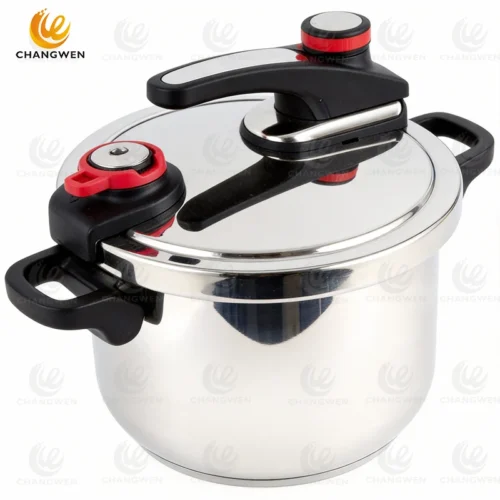
Stainless Pressure Cooker with Secure Locking Lid
-
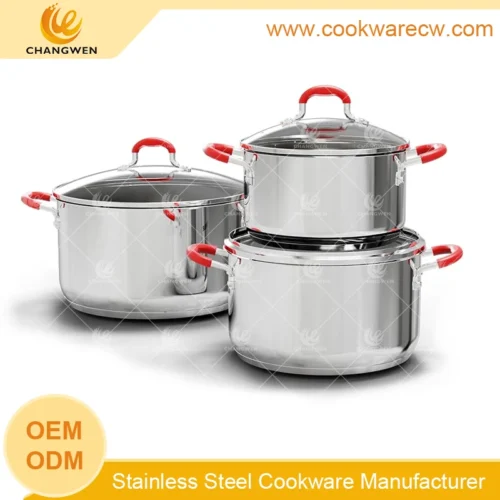
6-Piece Stainless Steel Pot Set with Red Silicone Handles CW-ES0613G
-
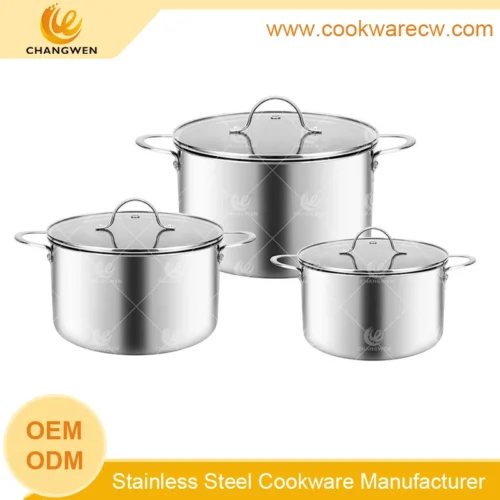
High-Quality Stainless Steel Pot Set with Heat-Resistant Handles CW-TP0603
-
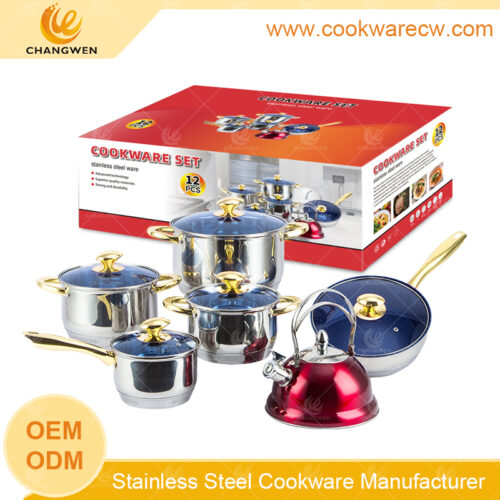
hot sales cookware supplier 12pcs cooking pots and pans stainless steel cookware set fry pan saucepan coating tea kettle CW-M1223