
Introduction
Modern kitchens demand smart solutions that maximize space without compromising functionality. Traditional cookware with fixed handles has long dominated the market, but a revolutionary design is changing how we think about kitchen storage, cooking versatility, and even e-commerce shipping: detachable handle stainless steel cookware.
This comprehensive guide explores everything you need to know about detachable handle cookware sets, from their innovative design features to practical applications in residential and commercial kitchens. Whether you’re a homeowner looking to optimize cabinet space, an RV enthusiast seeking compact cooking solutions, or a wholesaler evaluating cost-effective inventory options, understanding the benefits and specifications of removable handle cookware will help you make informed purchasing decisions.
In this article, you’ll discover why detachable handle stainless steel cookware is rapidly becoming the preferred choice for space-conscious consumers, how the locking mechanisms ensure safe cooking, what materials and construction methods produce the best results, and how to select the right cookware kit with detachable handle stainless steel for your specific needs.

Key Takeaways
- Space Efficiency: Detachable handle cookware sets reduce storage space by up to 50% compared to traditional fixed-handle designs through stackable configurations
- Multi-Functional Design: Removable handles enable seamless transitions from stovetop to oven, expanding cooking versatility
- Cost Savings: Lower shipping volumes benefit both wholesalers and e-commerce businesses, reducing logistics costs by 30-40%
- Safety Standards: Modern double-lock mechanisms provide secure handle attachment with heat-resistant grips rated up to 200°C
- Material Options: Available in 201 and 304 stainless steel grades, with tri-ply construction offering superior heat distribution
- Universal Compatibility: Quality detachable handle pots work with gas, electric, ceramic, and induction cooktops
- Easy Maintenance: Dishwasher-safe designs with no hidden joints simplify cleaning and hygiene
Why Traditional Cookware Is No Longer Enough
The kitchen landscape has evolved dramatically over the past decade. Urban living spaces are shrinking, minimalist design philosophies are gaining traction, and consumers increasingly value flexibility over single-purpose tools. Yet traditional cookware remains stubbornly unchanged, presenting several critical pain points that detachable cookware elegantly solves.
The Bulky Storage Problem
Fixed handles create significant cabinet space challenges. A standard 10-inch frying pan with a permanent handle requires approximately 18 inches of linear cabinet space. Multiply this across a typical cookware set of 8-10 pieces, and you’re consuming valuable kitchen real estate that could serve multiple purposes. Pots and pans with removable handles, by contrast, nest efficiently within each other, reducing the footprint by half or more.
Transportation and Logistics Costs
For wholesalers and e-commerce businesses, shipping volume directly impacts profitability. Traditional cookware sets occupy substantial packaging space due to protruding handles. A detachable handle pot set can be packaged 40% more compactly, meaning more units per pallet, lower freight costs, and reduced carbon footprint during distribution. This advantage becomes particularly significant for international shipping where dimensional weight pricing applies.
The Modular Kitchen Movement
Contemporary consumers increasingly prefer modular, adaptable kitchen tools that serve multiple functions. The rise of meal prep culture, multi-use appliances, and space-saving storage solutions reflects a broader shift toward kitchen efficiency. Pans with removable handles align perfectly with this trend, offering the flexibility to use the same vessel for sautéing, baking, and serving—without the limitations imposed by fixed handles.
E-commerce Packaging Challenges
Online cookware sales face unique challenges: customer expectations for unboxing experiences, shipping damage concerns, and return logistics costs. Detachable handle stainless steel cookware sets ship more securely, with handles packed separately to prevent damage during transit. The compact packaging also reduces the likelihood of box damage and improves the customer’s first impression.
These converging factors have created strong demand for stainless steel cookware with removable handles—a solution that addresses practical concerns while delivering genuine performance benefits.
What Is Detachable Handle Stainless Steel Cookware?
Detachable handle stainless steel cookware represents an innovative approach to traditional pot and pan design, featuring a removable or clip-on handle system that attaches securely to the cookware body. Unlike conventional designs where handles are permanently welded or riveted, this modular system allows users to attach and remove handles as needed.
Core Design Elements
The fundamental components of a detachable cookware system include:
Stainless Steel Body: The cooking vessel itself, constructed from either 201 or 304 grade stainless steel (discussed in detail later), featuring specially designed handle mounting points or brackets.
Removable Handle Mechanism: A separate handle unit equipped with a locking clip or claw system that securely grips the cookware’s mounting points. Quality handles feature ergonomic grips made from heat-resistant materials like bakelite or silicone.
Mounting Interface: Precision-engineered brackets or lugs welded to the cookware exterior, designed to accommodate the handle’s locking mechanism while maintaining structural integrity during cooking.
How the Attachment System Works
The best detachable handle stainless steel cookware employs a two-stage locking mechanism. The user positions the handle’s claws or clips over the mounting brackets, then activates a lever or button that engages the lock. This creates a secure connection capable of supporting the cookware’s full weight plus contents—typically rated for 5-7 kg depending on the model.
Advanced designs incorporate visual and audible feedback (a distinct “click”) to confirm proper engagement, reducing the risk of accidental detachment. The handle remains cool during stovetop cooking due to the physical separation between the cooking surface and the grip point, though heat-resistant materials provide an additional safety margin.
The Modular Advantage
What distinguishes a detachable handle cookware set from traditional options is the modular flexibility. A single handle often works with multiple pots and pans in the collection, eliminating redundancy. This one-handle, multiple-vessel approach not only saves space but also reduces manufacturing costs and material waste—benefits that can be passed to consumers through lower pricing.
Key Advantages
The rising popularity of removable handle cookware stems from concrete benefits that address real-world kitchen challenges. Let’s examine each advantage in detail.
1. Space-Saving Design
Cabinet space ranks among the most valuable commodities in modern kitchens. The stackable nature of detachable handle pots transforms storage efficiency:
Vertical Nesting: Without protruding handles, pots and pans nest inside each other like Russian dolls. A 7-piece cookware set that would typically require 24 inches of cabinet width compresses to just 10-12 inches when stacked.
Drawer Storage Options: The compact profile enables storage in deep drawers—a preferred option in many modern kitchen designs where drawer organization surpasses cabinet accessibility.
Flexible Arrangement: Handles stored separately in a caddy or utensil drawer mean you can arrange cookware based on size and frequency of use rather than working around fixed handle positions.
For apartment dwellers, RV owners, and anyone maximizing limited kitchen space, this advantage alone often justifies the investment in a detachable handle cookware set.
2. Multi-Function Usage
The ability to remove handles transforms how cookware can be used throughout the cooking process:
Stovetop to Oven Transitions: Begin searing protein on the stovetop, remove the handle, and transfer directly to the oven for finishing. This technique, common in professional kitchens, becomes accessible without dedicated oven-safe cookware. Most stainless steel pots with detachable handles tolerate oven temperatures up to 260°C (500°F).
Serving Flexibility: Remove the handle and bring cookware directly to the table as a serving vessel. This approach works particularly well for dishes like shakshuka, frittatas, or individual pot pies, enhancing presentation while reducing dish washing.
Refrigerator Storage: Leftover storage becomes simpler when handles don’t interfere with shelf spacing. Stack multiple prepared meals efficiently in your refrigerator, then simply attach the handle when reheating.
Space-Efficient Broiling: Without handles, cookware fits more easily under broilers, expanding your cooking technique options.
3. Easy Cleaning
Hygiene-conscious consumers appreciate the cleaning advantages of detachable handle pot designs:
Dishwasher Compatible: Without handles, pots and pans fit more efficiently in dishwasher racks. The removable handle itself typically cleans easily by hand or in the silverware basket.
No Hidden Joints: Traditional riveted or welded handles create crevices where food particles and grease accumulate. Detachable systems eliminate these problematic joints, resulting in more sanitary cookware that’s easier to maintain.
Thorough Scrubbing Access: The absence of handles during cleaning provides unobstructed access to all surfaces, making stubborn residue removal more effective.
Handle Maintenance: Being able to clean the handle separately ensures the grip area—where hands make direct contact—receives thorough sanitation.
4. Safer & More Stable Locking Mechanism
Safety concerns naturally arise when considering removable handle cookware. Quality manufacturers have developed sophisticated locking systems that often exceed the safety of traditional welded handles:
Double-Lock Systems: Premium detachable handle stainless steel cookware sets employ redundant locking mechanisms. Even if one lock fails (an extremely rare occurrence), the secondary lock maintains secure attachment.
Load Testing: Reputable manufacturers test handle systems to support 3-5 times the expected load capacity. A handle rated for a 5kg pan will typically withstand 15-20kg in testing.
Heat-Resistant Grip Materials: Handles incorporate materials like bakelite, silicone, or specialized polymers that remain cool even during extended stovetop cooking. Temperature ratings of 150-200°C ensure comfort and safety.
Visual Confirmation: Many systems include color-coded indicators or visible lock positions that confirm secure attachment before lifting.
Ergonomic Balance: Well-designed detachable handles position the grip point to maintain proper balance, reducing wrist strain and the likelihood of spills during transport.
When properly engaged, a quality detachable pan handle provides equal or superior safety compared to traditional fixed handles, with the added benefit of preventing handle-related burns from accidental contact with hot surfaces.
Material & Construction
Understanding the materials and construction methods used in stainless steel cookware with removable handles helps buyers make informed decisions based on performance needs and budget constraints.
Stainless Steel Grades: 201 vs 304
Not all stainless steel offers identical performance. The two most common grades in cookware manufacturing are:
201 Stainless Steel: A chromium-nickel-manganese alloy that provides reasonable corrosion resistance at a lower cost. This grade contains approximately 16-18% chromium and 3.5-5.5% nickel. While suitable for budget-conscious buyers, 201 stainless steel shows slightly lower resistance to pitting and corrosion over extended use, particularly in harsh water conditions or with acidic foods.
304 Stainless Steel: Often called “18/10” stainless (18% chromium, 10% nickel), this grade represents the gold standard for cookware. The higher nickel content enhances corrosion resistance, durability, and maintains a lustrous appearance longer. Most premium detachable handle stainless steel cookware sets use 304 grade steel for the cooking surfaces.
For buyers prioritizing longevity and performance, 304 stainless steel justifies the modest price premium. However, 201 grade offers acceptable performance for occasional use or budget applications.
Construction Methods: Tri-Ply vs Single Layer
The internal structure of stainless steel pots with detachable handles significantly impacts cooking performance:
Single Layer (Monolith) Construction: A single sheet of stainless steel forms the pot or pan body. This basic construction method costs less but suffers from uneven heat distribution, hot spots, and slower heating. Single layer cookware works adequately for boiling water or gentle simmering but struggles with precise temperature control.
Tri-Ply (Three-Layer) Construction: This premium approach bonds three layers: an aluminum or copper core sandwiched between two layers of stainless steel. The aluminum core rapidly conducts heat across the entire cooking surface, while the stainless steel provides durability and cooking performance. Tri-ply construction delivers:
- Even heat distribution without hot spots
- Faster heating and cooling response
- Superior temperature control for delicate cooking
- Better energy efficiency
Fully-Clad vs Disc Bottom: Tri-ply construction comes in two forms. Fully-clad cookware extends the three-layer structure from the base up the sides, providing consistent heating throughout. Disc-bottom designs apply the layered construction only to the base, reducing cost but potentially creating temperature variations along the sidewalls.
For the best detachable handle stainless steel cookware performance, seek fully-clad tri-ply construction in 304 stainless steel.
Thickness Specifications
Material thickness (gauge) affects both durability and cooking performance:
- Thin Gauge (0.5-0.6mm): Budget-friendly but prone to warping, denting, and uneven heating. Suitable only for light use.
- Medium Gauge (0.7-0.9mm): Balanced performance for most home cooking applications. Resists warping with reasonable heat distribution.
- Heavy Gauge (1.0mm+): Professional-grade thickness providing excellent heat retention, durability, and resistance to damage. Slightly heavier but worth the investment for serious cooks.
Premium cookware kits with detachable handle stainless steel typically specify 0.8-1.0mm thickness, striking the right balance between performance and weight.
Induction Compatibility
Modern detachable handle cookware sets must accommodate induction cooktops, which require ferromagnetic materials in the base:
Magnetic Stainless Steel Base: Quality manufacturers use magnetic-grade stainless steel or incorporate a magnetic disc in the base layer. This enables compatibility with induction, electric, gas, and ceramic cooktops—universal versatility that adds value.
Testing Compatibility: A simple magnet test confirms induction compatibility. If a refrigerator magnet adheres firmly to the cookware base, it will work with induction cooktops.
Heat Distribution Performance
Superior heat distribution depends on several factors working in concert:
- Encapsulated Base: The aluminum or copper core must extend fully across the base, ideally edge-to-edge, for even heating.
- Base Thickness: Thicker bases (4-5mm total thickness in tri-ply construction) maintain more consistent temperatures.
- Surface Finish: Interior satin or brushed finishes help distribute heat more evenly than highly polished surfaces.
The best detachable handle stainless steel cookware combines 304 steel, fully-clad tri-ply construction, and thoughtful base design to deliver consistent, reliable cooking results across all heat sources.
Ideal Applications
Detachable handle stainless steel cookware excels in specific scenarios where traditional cookware falls short. Understanding these ideal applications helps buyers recognize when the investment makes particular sense.
Small Apartments and Urban Living
Space constraints in city apartments make every square inch of storage valuable. A compact cookware set with removable handles addresses multiple pain points:
Galley Kitchens: Narrow kitchens with limited cabinet depth benefit enormously from stackable cookware that maximizes vertical space rather than consuming horizontal real estate.
Studio Apartments: When kitchen, dining, and living spaces share one room, minimizing visible kitchen clutter becomes essential. Detachable handle pots nest inconspicuously in compact spaces.
Shared Housing: Roommates with individual cookware collections appreciate the space savings when everyone adopts detachable systems, reducing the total cabinet footprint.
Urban dwellers consistently rank space efficiency as a top purchasing priority, making detachable handle cookware sets particularly appealing to this demographic.
RV and Camping
Mobile living presents unique cookware challenges that removable handle systems solve elegantly:
Vehicle Motion Safety: During travel, fixed handles can snag, poke, or create imbalance. Detachable pots and pans with removable handles store securely without sharp protrusions that could shift and cause damage.
Limited Storage Volume: RV kitchen cabinets offer minimal space. The 50% space reduction achieved through handle-free stacking translates directly to carrying more cookware options or freeing room for other essentials.
Weight Considerations: Every pound matters when traveling. A detachable cookware system weighs less than equivalent traditional sets because multiple pieces share one or two handles rather than each having dedicated handle hardware.
Campfire Cooking: Remove handles before placing cookware over open flames, preventing damage to heat-sensitive handle materials while accessing direct heat.
Easy Packing: For car camping or tent camping, the compact nesting design simplifies packing your vehicle and reduces the risk of rattling or shifting during transport.
Modern Minimalist Kitchens
Design-conscious homeowners renovating toward minimalist aesthetics find detachable handle cookware aligns with their vision:
Visual Cleanliness: Open shelving and glass-front cabinets showcase organized, uniform stacks of cookware without the visual chaos of protruding handles at various angles.
Handleless Aesthetic: When stored handle-free, cookware presents clean geometric forms that complement modern design philosophies emphasizing simplicity and function.
Quality Over Quantity: Minimalist principles favor versatile, multi-functional items. A single detachable handle serving multiple vessels embodies this philosophy perfectly.
Streamlined Workflow: Efficient kitchens eliminate unnecessary movements and clutter. The ability to move seamlessly from stovetop to oven to table with one vessel reduces dishes and simplifies meal preparation.
E-commerce Cookware Sets
Online retailers and direct-to-consumer brands increasingly favor detachable handle stainless steel cookware sets for compelling business reasons:
Reduced Shipping Costs: Dimensional weight pricing penalizes bulky packages. Compact cookware sets ship at lower rates, improving profit margins or enabling more competitive pricing.
Fewer Shipping Damages: Fixed handles represent vulnerable points during transit. Handles packed separately virtually eliminate shipping damage claims related to bent or broken handles.
Unboxing Experience: Consumers appreciate well-organized, space-efficient packaging. Nesting cookware creates an impressive unboxing moment that generates positive reviews and social media content.
Return Rate Reduction: Damaged handles drive many cookware returns. Detachable systems packaged protectively see fewer damage-related returns, reducing reverse logistics costs.
International Shipping Viability: Lower shipping volumes make international sales more economically feasible, expanding market reach for e-commerce businesses.
Commercial Kitchen Storage
Professional kitchen environments face intense demands on storage and efficiency:
High-Density Storage: Restaurant and catering operations maintain extensive cookware inventories. Stacking efficiency allows more pieces in less space, essential when storage rent counts by the square foot.
Prep Station Efficiency: Detachable handles enable cookware to serve as both cooking vessels and ingredient prep containers, streamlining workflow and reducing dish washing.
Oven Space Maximization: Without handles, more cookware fits in commercial ovens simultaneously, increasing throughput during high-volume service.
Cleaning Station Optimization: Commercial dishwashing operations handle detachable cookware more efficiently, as pieces stack compactly in dish racks and dry racks.
How to Choose the Right Detachable Handle Cookware
Selecting the best detachable handle stainless steel cookware requires evaluating several critical factors. This buying guide helps you navigate options and make confident purchasing decisions.
Check the Locking Safety System
The handle attachment mechanism deserves your closest scrutiny, as it directly impacts safety and usability:
Mechanism Type: Common designs include button-release, lever-lock, and spring-loaded systems. Test the action—it should engage firmly with clear tactile and audible feedback (the satisfying “click” confirming secure attachment).
Lock Redundancy: Premium systems incorporate dual locking points or backup mechanisms. Even if you never encounter a primary lock failure, redundancy provides peace of mind when handling hot, heavy cookware.
Ease of Operation: The locking mechanism should operate smoothly with one hand, yet resist accidental disengagement. Balance convenience against security—the best designs require deliberate action to detach but engage easily.
Visual Indicators: Look for colored markers, position indicators, or other visual cues that confirm proper lock engagement at a glance. This simple feature prevents the dangerous scenario of lifting cookware with an improperly attached handle.
Load Rating: Reputable manufacturers specify maximum load capacity. A standard handle should support at least 5kg (11 lbs) safely. Heavy-duty versions for larger pots might rate to 7-8kg.
User Reviews: Search for feedback specifically about handle security and locking reliability. Consistent complaints about loose or failing locks should disqualify a product immediately, regardless of other attractive features.
Assess Handle Heat Resistance
Handle temperature management separates mediocre products from safe, comfortable cookware:
Material Specifications: Quality detachable pan handles use materials rated for continuous exposure to at least 150°C (302°F), with premium options tolerating 200°C (392°F) or higher. Common materials include:
- Bakelite: Classic heat-resistant phenolic resin, durable and affordable
- Silicone: Soft-touch feel with excellent heat resistance
- Stainless Steel with Insulated Grip: Professional appearance with strategic insulation
- Wood: Traditional aesthetics but requires more maintenance
Grip Comfort: Handle shape and texture matter during extended cooking sessions. Ergonomic contours that distribute pressure across your palm reduce fatigue. Textured or slightly rubberized surfaces improve grip security, especially with wet or greasy hands.
Length and Leverage: Longer handles provide better leverage for heavy pots and maintain greater distance from heat sources. However, excessive length can create balance issues. For detachable handle pots ranging from 1-4 quarts, handles between 6-8 inches long typically offer optimal balance.
Attachment Point Insulation: Even with heat-resistant grip materials, the metal components where the handle attaches to cookware conduct heat. Quality designs incorporate thermal breaks or insulation at these junction points.
Evaluate Base Compatibility
Your cooktop type determines essential compatibility requirements:
Gas Cooktops: Any flat-bottomed stainless steel cookware works well with gas. Focus on heat distribution quality rather than base material requirements.
Electric Coil or Smoothtop: Flat, scratch-resistant bases are essential. Slight warping that goes unnoticed on gas becomes problematic on electric ranges. Heavy-gauge bases resist warping better.
Induction Cooktops: Requires magnetic base material. Verify induction compatibility explicitly—not all stainless steel grades are magnetic. Look for “induction-ready” or “all-cooktop compatible” labeling. Remember the magnet test: if a refrigerator magnet sticks firmly to the base, it’s induction-compatible.
Ceramic Cooktops: Similar to electric smoothtops but even more demanding. Perfectly flat bases without any roughness or imperfections prevent scratching the ceramic surface.
Universal Compatibility: The best detachable handle stainless steel cookware works across all cooktop types, providing flexibility if you move or renovate. Tri-ply construction with magnetic stainless steel delivers universal compatibility.
Consider Weight and Thickness
Balancing durability against handling comfort requires thoughtful evaluation:
Empty Weight: Detachable handle cookware should feel substantial without being unwieldy. A 10-inch frying pan weighing 1.2-1.5kg (2.6-3.3 lbs) indicates quality construction. Significantly lighter suggests thin materials prone to warping; much heavier may prove cumbersome for daily use.
Thickness Specifications: When provided, look for:
- Body thickness: 0.8-1.0mm for good durability
- Base thickness (in tri-ply): 4-5mm total for superior heat distribution
- Rim thickness: Rolled or reinforced rims resist denting and warping
Balance Testing: If possible, handle the cookware before purchasing. With the handle attached and the vessel empty, it should feel balanced and comfortable. An off-balance design becomes worse when filled with food.
Age and Ability Considerations: Heavier cookware provides better performance but requires more strength to maneuver, particularly when full. Consider who will use the cookware. If strength or mobility concerns exist, prioritize lighter options within the quality threshold.
Evaluate OEM Customization Options
For businesses, wholesalers, or those seeking unique specifications, customization capabilities matter:
Handle Design Customization: Some manufacturers offer custom handle colors, materials, or grip styles to match branding or specific requirements. This proves valuable for corporate gifts, premium retail lines, or restaurant chains establishing consistent equipment aesthetics.
Size Variations: Standard sets include typical sizes (1L, 2L, 3L pots; 8″, 10″, 12″ frying pans). OEM partners may accommodate custom capacities for specialized applications.
Material Grades: While 304 stainless represents the premium standard, specific applications might justify different materials. Food service operations might request 316 grade for superior corrosion resistance in commercial dishwasher environments.
Marking and Etching: Custom logo etching, capacity markings, or other identifying information can be incorporated during manufacturing. This adds brand value or helps with inventory management in commercial settings.
Packaging Customization: Private label opportunities allow businesses to present manufacturer products under their own brand with custom packaging, documentation, and marketing materials.
Minimum Order Quantities: Understand MOQ requirements for customization. Basic private labeling might require 500-1,000 units, while significant design modifications could demand 3,000-5,000 pieces.
Lead Times: Custom orders typically extend lead times from 30-45 days for standard products to 60-90 days for customized specifications. Plan accordingly when launching new product lines.
Additional Selection Criteria
Several other factors contribute to choosing the best detachable handle stainless steel cookware:
Set Composition: Evaluate whether a complete set or individual pieces better serve your needs. Sets typically include 2-3 pots, 2-3 pans, and 1-2 handles at a value price. However, if you primarily use specific sizes, purchasing individual pieces avoids paying for unused items.
Lid Compatibility: Quality sets include lids designed to fit multiple pieces, maximizing utility. Tempered glass lids with steam vents allow monitoring without lifting, while stainless steel lids handle higher oven temperatures.
Dishwasher Rating: Although most stainless steel cookware tolerates dishwashers, verify this explicitly for both the pots/pans and handles. Some handle materials degrade with repeated dishwasher exposure.
Warranty Coverage: Reputable manufacturers stand behind their products with warranties covering defects and functionality. Lifetime warranties on the cookware body and 1-3 year warranties on handles indicate confidence in durability.
Country of Origin: Manufacturing location can indicate quality standards and ethical production practices. European and some Asian manufacturers maintain rigorous quality control, though excellent products come from various regions.
Certification: Look for certifications like FDA food safety approval, LFGB (German food safety), or similar standards confirming the cookware meets health and safety requirements for food contact.
Detachable vs Fixed Handle Cookware: Comprehensive Comparison
Understanding the trade-offs between detachable handle stainless steel cookware and traditional fixed-handle designs helps buyers make informed decisions. This detailed comparison examines key factors:
| Feature | Detachable Handle Cookware | Fixed Handle Cookware |
|---|---|---|
| Storage Space | 40-50% less cabinet space through stacking; handles store separately | Requires full width including handle; cannot stack efficiently |
| Oven Versatility | Full oven use up to 260°C (500°F); remove handle for baking, broiling | Limited by handle material; silicone handles typically max 180-200°C |
| Shipping Cost | 30-40% lower dimensional weight for e-commerce and wholesale | Higher shipping costs due to package volume |
| Handle Replacement | Damaged handles replace independently; one handle serves multiple pieces | Entire pot/pan replacement if handle fails; each piece needs dedicated handle |
| Initial Cost | Moderate premium (10-20% higher) for quality locking mechanisms | Standard pricing for equivalent material quality |
| Long-term Value | Superior due to handle sharing, reduced replacement costs, space savings | Good durability but limited by fixed handle lifespan |
| Ease of Cleaning | Simplified by handle removal; no rivet crevices; dishwasher-friendly | Hidden joints around rivets trap food; handles complicate dishwasher loading |
| Safety Considerations | Requires proper lock engagement; double-lock systems provide redundancy | No attachment concerns; welded handles occasionally fail under stress |
| Weight Distribution | Excellent when properly designed; handle position optimizes balance | Generally good; long-established ergonomic designs |
| Versatility | Exceptional: stovetop, oven, serving, storage in one vessel | Good but limited by handle; less suitable for oven-to-table use |
| Travel/RV Suitability | Excellent: compact, safe stacking, no protruding handles | Poor: bulky, handles create snag points, inefficient for mobile use |
| Kitchen Aesthetics | Clean, minimalist appearance; uniform stacking | Traditional appearance; handles visible when stored |
| Learning Curve | Brief adjustment to attachment/detachment; becomes second nature | Zero learning curve; immediately familiar |
| Durability | Body extremely durable; handles replaceable; mechanism longevity varies by quality | Entire piece typically lasts 10-20+ years with proper care |
| Professional Use | Growing adoption in efficient commercial kitchens | Standard in most professional kitchens due to familiarity |
| Handle Options | One handle serves multiple pieces; optional specialty handles | Each piece has dedicated handle sized appropriately |
When Detachable Handle Cookware Makes Sense
Choose removable handle cookware when:
- Kitchen storage space is limited
- You value versatile cooking methods (stovetop, oven, serving)
- You live in an RV, tiny home, or frequently travel
- You’re furnishing a rental property or second home economically
- You prioritize modern, minimalist aesthetics
- You’re building an e-commerce cookware business
- You appreciate modular, multi-functional kitchen tools
When Fixed Handle Cookware Remains Preferable
Traditional fixed-handle cookware may suit you better if:
- You have ample kitchen storage with no space constraints
- You prefer zero learning curve and immediate familiarity
- You rarely use oven cooking methods
- You value traditional cookware aesthetics
- You’re equipping a commercial kitchen with established workflows
- You’re concerned about handle attachment reliability (despite modern safety features)
The gap between these options has narrowed as detachable handle technology has matured. Today’s best detachable handle stainless steel cookware matches or exceeds fixed-handle equivalents in durability, safety, and cooking performance while delivering substantial advantages in storage, versatility, and long-term value.
Frequently Asked Questions (FAQ)
Is detachable handle cookware safe to use?
Yes, quality detachable handle stainless steel cookware is safe when the locking mechanism is properly engaged. Modern double-lock systems are rigorously tested to support 3-5 times the expected load capacity. The key is confirming secure attachment through tactile feedback (the “click”) and visual indicators before lifting cookware. Reputable manufacturers subject their locking mechanisms to thousands of attachment/detachment cycles plus extreme load testing to ensure reliability. When purchased from established brands, detachable handle cookware matches or exceeds the safety of traditional welded handles.
Can one handle fit all pieces in a cookware set?
Most detachable handle cookware sets use universal handles compatible with all pieces in the collection. However, very large stockpots or specialty items might require a specific heavy-duty handle rated for higher weight capacity. Check the product specifications to understand which pieces work with each included handle. The universal compatibility represents a significant advantage—you’re never searching for the “right” pot’s handle.
How do I know if the handle is properly attached?
Quality detachable handle systems provide multiple confirmation methods:
- Audible Click: A distinct snapping sound when the lock engages
- Tactile Resistance: You should feel the mechanism click into place with slight resistance
- Visual Indicator: Many handles feature color-coded markers or visible lock positions showing secure engagement
- Gentle Lift Test: Before handling hot cookware, do a brief test lift while still over the stovetop to confirm security
Never lift cookware by the handle until you’ve confirmed proper attachment through at least two of these methods.
Are detachable handle pots dishwasher safe?
Most stainless steel cookware with removable handles is dishwasher safe, but always verify with your specific product. The stainless steel pots and pans themselves typically tolerate dishwashers without issues. Handle dishwasher compatibility depends on the materials—bakelite and certain plastics may degrade with repeated high-heat exposure. Many users prefer hand-washing handles to extend their lifespan while running the cookware bodies through the dishwasher. Check manufacturer recommendations for your specific model.
What’s the maximum weight capacity for detachable handles?
Standard detachable handles typically support 5-7 kg (11-15 lbs), which accommodates most home cooking needs. A 3-liter pot filled with water and food weighs approximately 4-5 kg. Heavy-duty handles for larger stockpots may rate to 8-10 kg. Always check the manufacturer’s specifications for your specific model and avoid exceeding rated capacity. Remember that quality manufacturers test to several times the stated capacity before failure.
Can I use detachable handle cookware in the oven?
Yes, one of the primary advantages of removable handle cookware is full oven compatibility. With the handle removed, most stainless steel pots with detachable handles safely tolerate temperatures up to 260°C (500°F), limited only by the cookware body material. This enables techniques like stovetop searing followed by oven finishing, which would damage many traditional cookware handles. Some glass lids may have lower temperature limits (typically 180-200°C), so verify lid specifications separately.
How long do detachable handles last?
Quality detachable pan handles should provide 5-10+ years of regular use when properly maintained. The locking mechanism is typically the first component to show wear, though premium designs with stainless steel mechanisms often outlast the cookware body. Handle grip materials may show cosmetic wear but remain functional for many years. Since handles are replaceable, you don’t need to discard entire pots when a handle eventually wears out—simply purchase a replacement handle, extending the cookware’s useful life significantly.
Will the handle get hot during cooking?
Properly designed detachable handles remain safe to touch during normal stovetop cooking. The physical separation between the cooking surface and the handle grip prevents direct heat transfer, while heat-resistant materials (bakelite, silicone, or insulated stainless steel) provide additional protection. However, with extended cooking at high heat or when used over open flames, some heat transfer occurs. Always use caution and consider using a towel or pot holder when handling after prolonged high-heat cooking.
Can I buy replacement handles separately?
Most manufacturers sell replacement handles separately, which represents a significant advantage over fixed-handle cookware. This allows you to replace damaged or worn handles without discarding functional cookware. Additionally, you can purchase extra handles for convenience—having two handles available means less swapping during complex meal preparations. Verify replacement handle availability before purchasing a complete set, as continued parts availability indicates a manufacturer’s commitment to long-term product support.
Are detachable handle sets more expensive than traditional cookware?
Quality detachable handle stainless steel cookware sets typically cost 10-20% more than comparable fixed-handle sets due to the engineered locking mechanisms and precision manufacturing required. However, the value proposition often favors detachable systems: handle sharing means fewer total handles needed, replaceable components extend lifespan, space savings may eliminate the need for additional storage solutions, and shipping savings matter for e-commerce purchases. When evaluating total cost of ownership over 10+ years, the initial premium often proves worthwhile.
What’s the difference between 201 and 304 stainless steel for detachable cookware?
201 Stainless Steel contains lower nickel content (3.5-5.5%) making it more affordable but less corrosion-resistant. It works adequately for occasional use and budget-conscious buyers but may show pitting or discoloration over years of heavy use.
304 Stainless Steel (“18/10”) contains 10% nickel, providing superior corrosion resistance, durability, and appearance retention. It’s the preferred choice for the best detachable handle stainless steel cookware and justifies the modest price premium for serious home cooks or commercial applications.
For long-term value and performance, 304 stainless steel represents the better investment unless budget constraints are severe.
Do professional chefs use detachable handle cookware?
Adoption varies by region and kitchen type. European chefs, particularly in France where brands like Tefal originated detachable handle systems, have used them for decades. In North America, professional kitchens are gradually adopting detachable handle cookware for specific applications—particularly in space-constrained urban restaurants, catering operations requiring efficient transport, and modern bistros emphasizing versatility. While traditional fixed-handle cookware remains the majority choice in professional environments, detachable systems are gaining recognition as viable professional tools rather than being dismissed as consumer novelties.
Conclusion
Detachable handle stainless steel cookware represents more than a clever space-saving feature—it’s a fundamental rethinking of how cookware can adapt to modern lifestyles. By separating the handle from the cooking vessel, designers have created solutions addressing real pain points: limited storage space, multi-functional cooking needs, shipping efficiency, and kitchen flexibility.
The evolution of locking mechanisms has eliminated early safety concerns that plagued first-generation products. Today’s double-lock systems, heat-resistant materials, and rigorous testing standards ensure that quality detachable handle cookware sets match or exceed traditional designs in safety and reliability. The ability to seamlessly transition from stovetop to oven to serving dish—all with one vessel—brings professional cooking techniques to home kitchens while reducing the dish pile.
For urban apartment dwellers, the 40-50% storage space reduction alone justifies the investment. For RV enthusiasts and travelers, the compact stackability and reduced weight solve persistent challenges. For minimalist design advocates, the clean aesthetic of handle-free storage aligns perfectly with their values. For e-commerce businesses, the shipping cost savings and reduced damage rates directly impact profitability.
Choosing the best detachable handle stainless steel cookware requires evaluating several factors: locking mechanism quality, stainless steel grade (with 304 being preferable to 201), construction method (tri-ply offering superior heat distribution), thickness specifications, and cooktop compatibility. The modest premium charged for quality detachable systems—typically 10-20% above equivalent fixed-handle cookware—pays dividends through handle sharing, replaceable components, and extended functional lifespan.
The comparison table presented earlier demonstrates that detachable handle cookware excels in storage efficiency, versatility, shipping economy, and cleaning convenience while matching traditional cookware in durability and cooking performance. The primary trade-off is a brief learning curve to consistently verify handle attachment—a minor adjustment that quickly becomes second nature.
As kitchen spaces continue shrinking in urban environments, as minimalist design philosophies gain adherents, and as consumers increasingly value multi-functional products over single-purpose tools, detachable handle stainless steel cookware is positioned to grow from specialty product to mainstream standard. The technology has matured, the safety concerns have been addressed, and the practical advantages are undeniable.
Whether you’re outfitting your first apartment kitchen, upgrading worn cookware, planning an RV renovation, or building an e-commerce cookware business, removable handle cookware deserves serious consideration. The space you save, the versatility you gain, and the long-term value you receive make detachable handle cookware sets a forward-thinking choice for modern kitchens.
For those ready to make the switch, prioritize products from established manufacturers, verify safety certifications, confirm tri-ply construction in 304 stainless steel when budget allows, and test the locking mechanism before purchase. With these guidelines, you’ll select cookware that serves you well for many years while making your kitchen more efficient, flexible, and organized.
The future of cookware is detachable—and that future is already here.
-
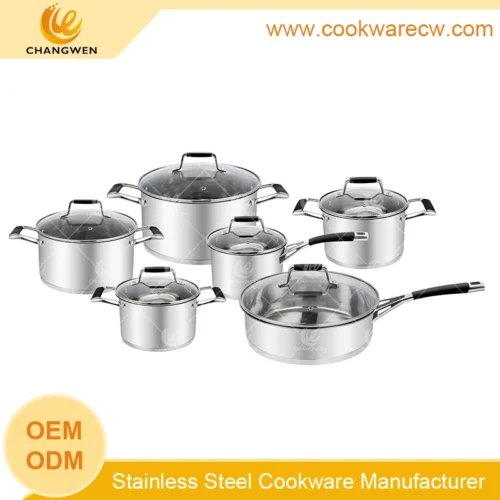
Premium 12-Piece Stainless Steel Cookware with Black Handles CW-ES1204G
-
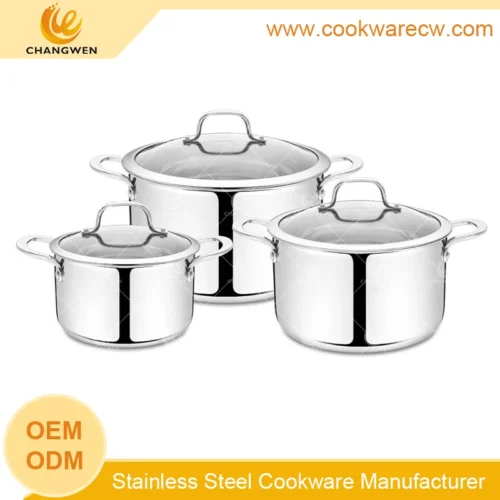
Premium Stainless Steel Pot Set for Home & Commercial Kitchens CW-TP0601
-
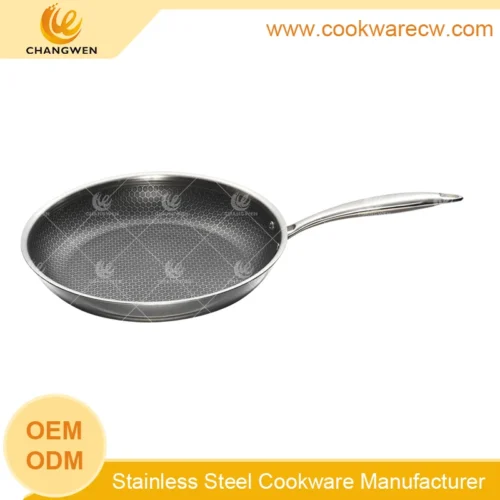
Honeycomb Stainless Steel Pan with Enhanced Heat Control CW-ETP017
-
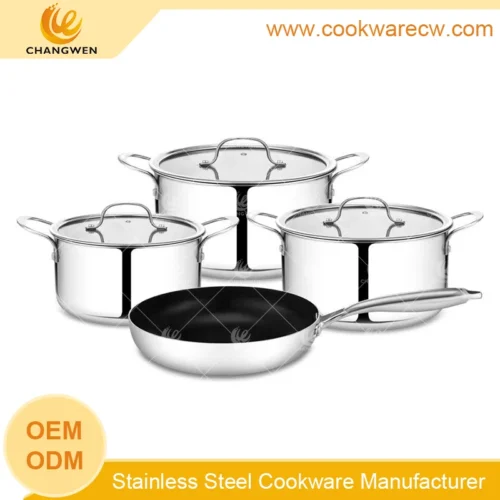
Stainless Steel Cookware Set with Multi-Layer Construction CW-TP0706
-
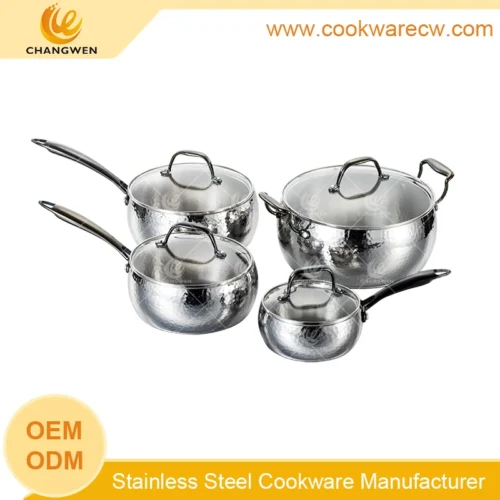
Apple-Shaped Hammered Stainless Steel Cookware Set CW-TP0802
-
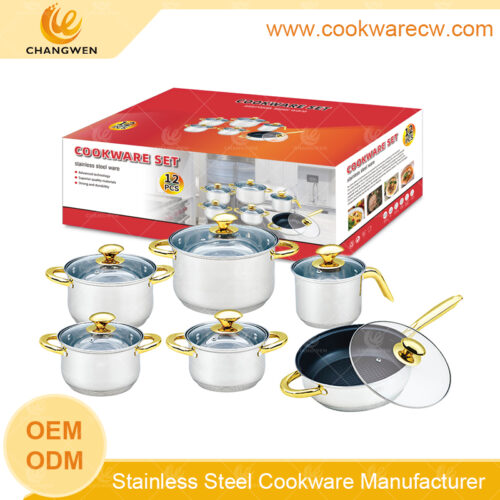
high quality stainless steel pots and pans 12pcs cookware set nonstick fry pans with 5-9 steps capsule bottom CW-M1212
-
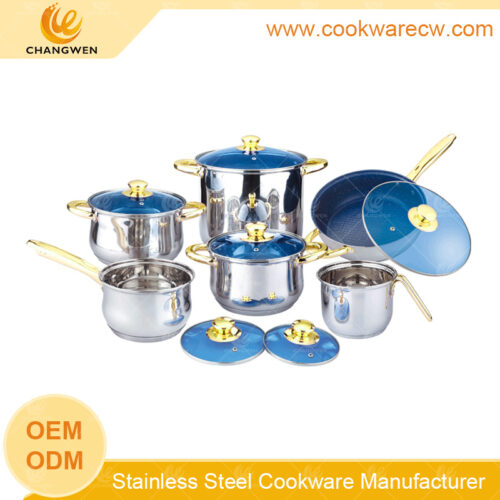
Safest Stainless Steel Cookware
-
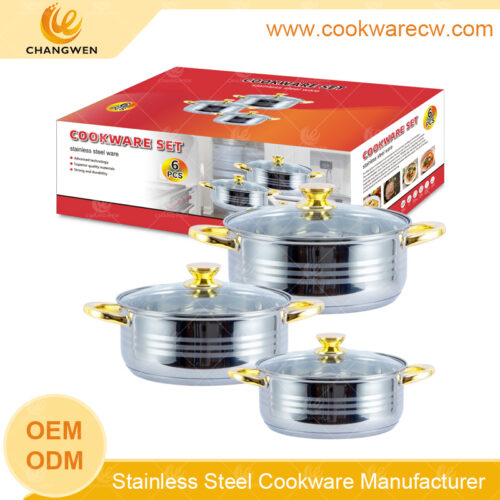
Stainless Steel Pot Cook Rice CW-M0608