Introduction
When shopping for a wok in 2026, the decision between a nonstick wok and a traditional carbon steel wok can seem overwhelming. Modern nonstick wok pans promise effortless cooking and quick cleanup, making them attractive to busy home cooks. Yet professional chefs and Asian cooking enthusiasts overwhelmingly prefer carbon steel woks for their superior high-heat performance and ability to develop authentic “wok hei”—that prized smoky, charred flavor impossible to achieve with synthetic coatings.
The stakes of this decision extend beyond convenience. Research shows that PTFE coatings on nonstick woks begin breaking down at temperatures above 500°F (260°C), precisely the range required for traditional stir-frying. Meanwhile, carbon steel woks not only handle extreme heat safely but actually improve with use, developing a natural nonstick surface uniquely tailored to your cooking style.
This comprehensive guide cuts through the marketing claims and conflicting advice to help you understand the real differences between nonstick wok options and carbon steel alternatives. You’ll discover when a nonstick wok with lid makes sense for your cooking needs, why non stick wok high heat limitations matter for authentic Asian cuisine, whether a non stick wok 32cm size suits your requirements, and what makes the best wok without non stick coating superior for serious cooking.
Whether you’re a beginner seeking convenience or an experienced cook pursuing performance, this guide provides the technical knowledge and practical insights needed to choose the right wok for your specific needs, cooking style, and culinary goals.
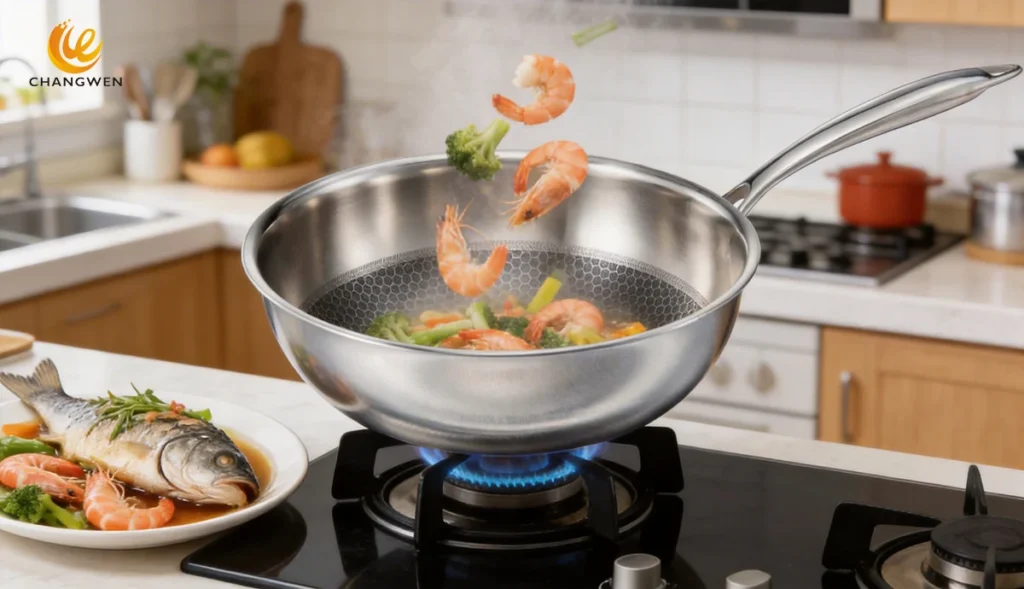
Key Takeaways
- Nonstick woks use PTFE (Teflon) coatings that provide easy food release and simple cleanup but cannot safely handle temperatures above 500°F (260°C)—below the 650°F+ required for authentic stir-frying and wok hei
- Carbon steel woks are the professional standard because they heat quickly and evenly, tolerate extreme high heat (1200°F+), develop natural nonstick surfaces through seasoning, and last decades with proper care
- Nonstick wok vs carbon steel comparison reveals fundamental tradeoffs: nonstick offers convenience with limited lifespan (3-5 years) and heat restrictions, while carbon steel demands maintenance but delivers superior performance and durability (20+ years)
- Non stick wok high heat is problematic as PTFE coatings degrade above 500°F, releasing potentially harmful fumes and losing nonstick properties—making nonstick unsuitable for traditional high-temperature Asian cooking techniques
- Nonstick wok with lid provides versatility for braising, steaming, and covered cooking methods where temperature control matters more than extreme heat—ideal for multi-purpose users prioritizing convenience
- Non stick wok 32cm (12.6 inches) offers practical sizing for most home kitchens, providing adequate capacity for 4-6 servings while remaining manageable for storage and handling
- Best wok without non stick coating is carbon steel at 14 inches diameter with flat bottom for home stoves, pre-seasoned for immediate use, and weighing 3-5 pounds for proper maneuverability during cooking
- Proper wok selection depends on cooking style: choose nonstick for low-heat gentle cooking and convenience, carbon steel for authentic high-heat stir-frying, braising, deep-frying, and serious Asian cuisine
What is a Nonstick Wok?
A nonstick wok is a modern adaptation of the traditional Asian cooking vessel, featuring a synthetic coating (typically PTFE or ceramic) applied to the interior surface to prevent food adhesion during cooking. Unlike traditional carbon steel or cast iron woks that develop natural nonstick properties through seasoning, nonstick woks rely on factory-applied chemical coatings for their food-release capabilities.
How Nonstick Coatings Work
PTFE (Teflon) Nonstick Woks:
The most common nonstick woks use polytetrafluoroethylene (PTFE), commercially known as Teflon. This synthetic polymer creates an extremely smooth surface through fluorine atoms tightly bonded to carbon, producing an inert material that repels both water and oil.
Key characteristics:
- Molecular structure prevents food particle attachment
- Extremely low friction coefficient
- Effective at preventing sticking at low to moderate temperatures
- No seasoning required for nonstick properties
Temperature limitations:
- Safe range: Up to 500°F (260°C)
- Degradation begins: Above 500°F (260°C)
- Risk zone: 570°F+ (300°C+) releases harmful fumes
Ceramic Nonstick Woks:
Newer ceramic nonstick woks use sol-gel technology to create a silica-based coating derived from sand.
Characteristics:
- PTFE-free alternative
- Higher temperature tolerance than PTFE (typically 600-650°F)
- Still not ideal for extreme wok temperatures (700°F+)
- More environmentally friendly manufacturing
- Similar lifespan issues as PTFE (degrades over time)
Advantages of Nonstick Woks
Immediate Convenience: No seasoning required—unpack and start cooking immediately. This appeals to beginners or cooks who don’t want the maintenance commitment of traditional woks.
Easy Cleanup: Food slides off effortlessly with minimal oil. Most nonstick woks clean with just warm soapy water and a soft sponge, requiring 30-60 seconds versus the more involved care of seasoned woks.
Low-Fat Cooking: The nonstick surface allows cooking with minimal oil, appealing to health-conscious users. You can successfully stir-fry vegetables or proteins with just 1-2 teaspoons of oil versus 2-3 tablespoons in unseasoned carbon steel.
Beginner-Friendly: Forgiving of technique mistakes. Food won’t stick even if you add ingredients to a cold wok or use insufficient oil—common beginner errors that cause major sticking in traditional woks.
Visual Appeal: Modern nonstick woks often feature attractive colors and finishes, complementing contemporary kitchen aesthetics better than the dark patina of seasoned carbon steel.
Disadvantages and Limitations
Temperature Restrictions:
This is the fundamental limitation of any nonstick wok. Traditional stir-frying requires temperatures of 650-800°F to achieve:
- Proper searing (Maillard reaction)
- “Wok hei” (breath of the wok) flavor
- Quick cooking that preserves vegetable texture
- Authentic Asian cooking results
Lifespan Concerns: Even with perfect care, nonstick coatings deteriorate through thermal cycling (heating and cooling expands/contracts the coating, eventually causing separation). Expect 3-5 years maximum lifespan regardless of care quality.
Utensil Restrictions: Metal spatulas, which are traditional for wok cooking and allow proper scraping/tossing, will scratch nonstick coatings. You’re limited to silicone, wood, or nylon—less effective for authentic technique.
Not Dishwasher Safe: Despite some manufacturer claims, dishwasher detergents and high heat accelerate coating degradation. Hand washing only extends (but doesn’t prevent) eventual coating failure.
Deep Frying Concerns: Oil residue can cling to nonstick surfaces through repeated deep frying, and aggressive scrubbing to remove it damages the coating—creating a catch-22 situation.
Coating Safety Questions: When PTFE coatings degrade (either from overheating or age), microscopic particles can flake into food. While manufacturers claim ingested PTFE passes through the body harmlessly, many users prefer to avoid this entirely.
Carbon Steel Wok: The Traditional Choice
Carbon steel woks represent the authentic choice used in Chinese restaurants and professional kitchens for over 2,000 years. This material combines high heat tolerance with responsive temperature control and the ability to develop natural nonstick properties through proper seasoning.
What is Carbon Steel?
Carbon steel is an iron alloy containing 0.5-2.0% carbon (typically 1-1.5% in woks). This composition creates material that is:
- Thinner than cast iron (1.5-2mm thickness typical)
- Lighter weight (3-5 pounds for 14″ wok)
- Highly responsive to temperature changes
- Durable enough to last generations
- Capable of withstanding 1200°F+ temperatures
Comparison to other materials:
- Cast Iron: Similar performance but 2-3x heavier and slower to heat
- Stainless Steel: Poor heat distribution, food sticks easily
- Aluminum: Too reactive, cannot handle wok temperatures
Why Professional Chefs Prefer Carbon Steel
Superior Heat Performance:
Carbon steel’s thin construction and high thermal conductivity create ideal conditions for wok cooking:
- Heats in 2-3 minutes (vs. 8-10 minutes for cast iron)
- Reaches 700-800°F+ easily on home stoves
- Responds immediately to temperature adjustments
- Distributes heat evenly across the curved surface
Develops Natural Nonstick:
Through proper seasoning, carbon steel woks develop polymerized oil layers that create natural nonstick properties:
- No synthetic chemicals
- Improves with each use
- Lasts the lifetime of the wok
- Can be restored if damaged
Achieves “Wok Hei”:
The prized “breath of the wok” flavor requires:
- Extreme high heat (650°F+)
- Rapid searing
- Quick temperature control
- Proper surface interaction
Only carbon steel (and cast iron) can deliver all four requirements. Nonstick coatings fail at step one.
Maneuverability:
Traditional wok technique involves lifting, tilting, and tossing ingredients. A 14″ carbon steel wok weighs 4-5 pounds versus 8-10 pounds for equivalent cast iron—crucial for proper technique and preventing arm fatigue.
Versatility:
Carbon steel woks handle every cooking method:
- Stir-frying (primary use)
- Deep-frying (excellent heat retention)
- Steaming (with bamboo steamer or rack)
- Braising (though requires immediate washing to prevent rust)
- Shallow frying
- Smoking
Carbon Steel Wok Anatomy
Round Bottom vs. Flat Bottom:
Round Bottom (Traditional):
- Authentic design for concentrated heat
- Requires wok ring on flat stovetops
- Better for gas stoves with wok burners
- Optimal for traditional tossing technique
Flat Bottom (Modern Adaptation):
- Direct contact with electric/induction burners
- More stable on flat stovetops
- Slightly reduced heat concentration
- Better for Western kitchens (recommended for most home cooks)
Handle Configurations:
Two Short Handles (Cantonese Style):
- Both sides have loop/ear handles
- Requires pot holders to lift
- More stable for deep frying
- Traditional restaurant style
Long Handle + Helper Handle (Pow Wok Style):
- One long handle (wooden or metal)
- Small helper handle opposite
- Easier for tossing and lifting
- Better for home cooking (recommended)
Gauge/Thickness:
Most quality carbon steel woks use:
- 1.5mm thickness: Lighter, more responsive
- 2.0mm thickness: More durable, slightly slower to heat
Professional recommendation: 1.5mm for home use balances performance and durability.
The Seasoning Process
What is Seasoning?
Seasoning creates a protective, nonstick layer through polymerization—heating oil until it bonds molecularly to the metal surface, creating a hard, slick coating.
Initial Seasoning (Before First Use):
- Remove factory coating (protective oil/wax)
- Heat wok until smoking
- Apply thin oil layer
- Heat until smoking again
- Repeat 3-5 times
Building Seasoning (Over Time):
Each cooking session adds layers:
- Cook fatty foods early (builds seasoning faster)
- Avoid acidic foods initially (strips seasoning)
- Use moderate oil amounts
- High-heat cooking accelerates development
Maintenance Seasoning:
After each use:
- Wash with water only (no soap)
- Dry thoroughly on stove heat
- Apply thin oil layer while warm
- Store in dry location
Timeline: Proper seasoning develops over 10-15 uses, creating a dark, glossy, nonstick surface.
Nonstick Wok vs Carbon Steel: Detailed Comparison
Understanding the practical differences between nonstick wok and carbon steel wok options requires examining performance across multiple real-world factors.
Heat Tolerance Comparison
| Factor | Nonstick Wok | Carbon Steel Wok |
|---|---|---|
| Maximum Safe Temperature | 500°F (PTFE), 600-650°F (ceramic) | 1200°F+ |
| Ideal Stir-Fry Temperature | Cannot achieve safely | 650-800°F |
| Temperature Responsiveness | Moderate | Excellent (immediate) |
| Heat Distribution | Depends on base material | Excellent across surface |
| Achieves Wok Hei | No | Yes |
| Degrades at High Heat | Yes (coating breaks down) | No (improves with use) |
Practical Impact:
For authentic Asian stir-frying, carbon steel wins definitively. Nonstick simply cannot reach required temperatures safely.
For gentler cooking (steaming, braising, low-heat sautéing), nonstick performs adequately within its temperature range.
Nonstick Surface Comparison
| Factor | Nonstick Wok | Carbon Steel Wok |
|---|---|---|
| Nonstick Out of Box | Excellent | Poor (requires seasoning) |
| Nonstick When Seasoned | Excellent | Excellent (after 10-15 uses) |
| Nonstick Longevity | Degrades over time (3-5 years) | Improves with use (lifetime) |
| Can Be Restored | No (coating wears permanently) | Yes (re-season anytime) |
| Requires Oil for Cooking | Minimal (1-2 tsp) | Moderate (2-3 tbsp initially, less when seasoned) |
Practical Impact:
Nonstick provides immediate convenience but is temporary. Carbon steel requires patience but delivers permanent results.
Durability and Lifespan
| Factor | Nonstick Wok | Carbon Steel Wok |
|---|---|---|
| Expected Lifespan | 3-5 years (careful use), 1-2 years (rough use) | 20-50+ years (lifetime) |
| Scratch Resistance | Poor (coating scratches easily) | Excellent (metal is hard) |
| Dent Resistance | Moderate | Good |
| Can Be Repaired | No | Yes |
| Deteriorates from Use | Yes (thermal cycling weakens coating) | No (improves with use) |
Practical Impact:
Carbon steel is a one-time investment. Nonstick requires periodic replacement, making it more expensive long-term.
Maintenance Requirements
Nonstick Wok:
- ✓ Wash with soap and soft sponge
- ✓ Dry thoroughly
- ✓ Store carefully (avoid scratching)
- ✗ Never use metal utensils
- ✗ Never use abrasive cleaners
- ✗ Never heat above manufacturer specs
- ✗ Not dishwasher safe (despite claims)
Time: 1-2 minutes post-cooking
Carbon Steel Wok:
- ✓ Wash with water (soap only if needed)
- ✓ Dry thoroughly on stove heat
- ✓ Apply thin oil layer while warm
- ✗ Avoid prolonged water contact (rust risk)
- ✗ Avoid acidic foods when new (strips seasoning)
Time: 2-3 minutes post-cooking
Practical Impact:
Maintenance time is similar. Nonstick is slightly simpler but more restrictive. Carbon steel has more “rules” but is more forgiving of mistakes.
Cooking Performance
Searing and Browning:
- Nonstick: Poor (cannot reach temperatures for Maillard reaction)
- Carbon Steel: Excellent (achieves deep brown sear quickly)
Stir-Frying:
- Nonstick: Adequate for Western-style low-heat “stir-frying”
- Carbon Steel: Authentic high-heat stir-frying with proper texture and flavor
Braising:
- Nonstick: Good (temperature range compatible)
- Carbon Steel: Good (requires immediate washing to prevent rust)
Steaming:
- Nonstick: Excellent (no rust concerns)
- Carbon Steel: Good (requires immediate washing and oiling)
Deep Frying:
- Nonstick: Not recommended (oil residue damages coating)
- Carbon Steel: Excellent (ideal heat retention)
Cost Comparison
Initial Investment:
- Nonstick Wok: $30-80 for quality options
- Carbon Steel Wok: $40-100 for quality options
Lifetime Cost (20 years):
- Nonstick: $150-320 (replacing every 4 years: 5 woks × $30-80)
- Carbon Steel: $40-100 (one-time purchase)
Accessories Needed:
- Nonstick: Silicone/wooden utensils ($20-40)
- Carbon Steel: Metal spatula/ladle ($15-30), wok brush ($8-12)
Practical Impact:
Carbon steel is more economical long-term, saving $50-200+ over 20 years while delivering superior performance.
Environmental Impact
Nonstick Wok:
- Contains synthetic polymers (PTFE or ceramic)
- Manufacturing involves chemical processes
- Requires replacement every 3-5 years (landfill waste)
- Coating degradation releases microplastics
- Cannot be recycled effectively
Carbon Steel Wok:
- Simple iron-carbon alloy
- Minimal processing required
- Lasts lifetime (minimal waste)
- 100% recyclable if ever discarded
- Natural seasoning (food-safe oils only)
Non Stick Wok High Heat Performance
The relationship between nonstick woks and high heat is the most critical factor determining their suitability for Asian cooking. Understanding temperature limitations and their practical implications is essential for making informed decisions.
PTFE Temperature Breakdown
Safe Operating Range:
- Below 400°F: Fully safe, no degradation
- 400-500°F: Manufacturer’s recommended maximum
- 500-570°F: Coating begins degrading, losing nonstick properties
- 570°F+: Releases toxic fumes (polymer fume fever risk)
Stir-Fry Reality: Traditional stir-frying requires:
- Oil temperature: 400-450°F (when it shimmers/smokes lightly)
- Wok surface temperature: 650-800°F (from direct flame contact)
- Searing zone temperature: 700-900°F (for proper Maillard reaction)
The Problem: Even being conservative with oil temperature (400°F), the wok metal itself heats well beyond this, especially where flame contacts the bottom. On gas stoves, carbon steel woks routinely reach 700-800°F—far exceeding nonstick safety limits.
What Happens at High Heat
Physical Degradation:
- 500-550°F: Molecular bonds in PTFE begin weakening
- 550-600°F: Coating starts releasing gases (odorless, potentially harmful)
- 600°F+: Visible smoke, coating deterioration accelerates
- 650°F+: Coating can peel, blister, or completely fail
Performance Degradation:
- Nonstick properties diminish permanently
- Surface becomes rough, food starts sticking
- Discoloration appears (brown/yellow tinting)
- Coating may develop bubbles or patches
Safety Concerns: Research indicates PTFE fumes can cause:
- Polymer fume fever (flu-like symptoms in humans)
- Respiratory distress
- Particularly dangerous for pet birds (can be fatal)
Ceramic Nonstick and High Heat
Slightly Better, Still Inadequate:
Ceramic nonstick woks claim higher temperature tolerance:
- Rated: 600-650°F maximum
- Better than PTFE but still below stir-fry requirements
- Still degrades over time from thermal cycling
- Loses nonstick properties after 2-3 years
Practical Reality: Ceramic nonstick extends the safe range but doesn’t solve the fundamental problem: authentic stir-frying requires temperatures these materials cannot handle long-term.
Workarounds and Their Limitations
“Low-Heat Stir-Frying”:
Some recommend using nonstick woks at moderate heat (350-400°F) for a gentler “stir-fry” style.
Limitations:
- Cannot achieve proper searing (no browning)
- Vegetables steam rather than char
- Proteins don’t develop crust
- Missing “wok hei” flavor entirely
- Results taste fundamentally different from authentic stir-fry
Verdict: This is sautéing, not stir-frying. If that meets your needs, fine. But it’s not the same cooking method.
Smaller Batches:
Theory: Cooking smaller portions allows heat recovery, potentially keeping temperatures below coating limits.
Reality:
- Requires multiple batches (defeats wok efficiency)
- Still can’t achieve temperatures needed for proper technique
- Inconvenient for family meals or entertaining
Using Moderate Heat Throughout:
Cooking all dishes at nonstick-safe temperatures.
Works For:
- Braising
- Steaming
- Gentle sautéing
- Simmering soups
Doesn’t Work For:
- Authentic stir-frying
- Achieving wok hei
- Proper searing
- Deep frying (coating concerns)
When Non Stick Wok High Heat Might Work
Acceptable Scenarios:
- Electric Stove Limitations: If your electric stove cannot reach high temperatures anyway, nonstick limitations become less relevant
- Primarily Low-Heat Cooking: If you mainly steam, braise, or gently sauté, nonstick performs adequately
- Health-Focused Low-Oil Cooking: If minimizing oil is your priority and you accept flavor tradeoffs
- Cooking for Young Children: If avoiding any degree of charring or browning is preferred
Bottom Line: If high-heat stir-frying is important to you, non stick wok high heat limitations make it the wrong choice. If convenience matters more than authentic technique, nonstick can work within its constraints.
Nonstick Wok with Lid: Complete Cooking Solutions
A nonstick wok with lid provides enhanced versatility for cooking methods beyond stir-frying, making it particularly valuable for users prioritizing multi-purpose functionality over specialized performance.
Advantages of Lid-Equipped Woks
Braising Capability: Lids trap moisture and heat, ideal for:
- Chinese braised dishes (red-cooked pork, braised beef)
- Steamed-then-braised vegetables
- One-pot meals requiring covered simmering
Steaming Function: With a steaming rack or bamboo steamer:
- Dumplings and buns
- Fish and vegetables
- Dim sum dishes
- Healthier cooking method (no added oil)
Heat Retention: Covered cooking:
- Reduces energy consumption
- Maintains consistent temperature
- Allows lower heat settings (ideal for nonstick)
- Speeds cooking times for covered methods
Splatter Protection: Lid prevents:
- Grease splatter during frying
- Kitchen mess
- Burn risk from oil splashes
Versatility: One vessel handles:
- Stir-frying (lid off)
- Steaming (lid on with rack)
- Braising (lid on for simmering)
- Soup-making (lid on)
- Storage (lid protects interior)
Lid Types and Materials
Glass Lids:
Advantages:
- Transparent (monitor cooking without lifting)
- Easy to clean
- Won’t absorb odors
- Dishwasher safe (though hand wash recommended)
Considerations:
- Can crack if thermal shocked (hot lid, cold water)
- Heavier than metal lids
- Steam vent essential (prevents pressure buildup)
Metal Lids (Stainless Steel or Aluminum):
Advantages:
- Lightweight
- Durable (won’t crack)
- Can handle higher temperatures
Considerations:
- Can’t see through (must lift to check)
- May absorb odors over time
- Cheaper aluminum can warp
Lid Fit:
Proper fit is critical:
- Should sit snugly but not seal completely
- Small gap or vent hole allows steam escape
- Prevents pressure buildup (safety)
- Check diameter match (many lids sold separately)
Best Uses for Nonstick Wok with Lid
Ideal Applications:
Braised Dishes:
- Temperature stays well below nonstick limits (250-350°F)
- Long cooking times benefit from moisture retention
- Minimal stirring (reduces coating wear)
Steamed Dishes:
- No direct high heat (safe for nonstick)
- Healthy cooking method
- Easy cleanup (minimal oil/residue)
One-Pot Meals:
- Start with sauté, finish with covered simmer
- Convenient for weeknight dinners
- Temperature control easier with lid
Soup and Noodle Dishes:
- Wide surface for noodle cooking
- Lid prevents splatter
- Easy serving directly from wok
Not Ideal For:
- High-heat stir-frying (lid not used, defeats its purpose)
- Achieving wok hei (lid traps steam, preventing proper searing)
- Deep frying (lid unnecessary and risky with hot oil)
Size Considerations for Lidded Woks
Small Woks (10-11 inches) with Lid:
- Capacity: 2-3 servings
- Best For: Singles, couples, small households
- Storage: Easier in compact kitchens
- Limitation: Insufficient for entertaining
Medium Woks (12-13 inches) with Lid:
- Capacity: 3-5 servings
- Best For: Small families, most home cooking
- Balance: Good capacity without being unwieldy
- Most Popular: Sweet spot for home use
Large Woks (14+ inches) with Lid:
- Capacity: 6-8+ servings
- Best For: Large families, entertaining, batch cooking
- Consideration: Requires storage space, heavier when full
- Overkill: For most home cooks unless regularly cooking for groups
Purchasing Considerations
Sold as Set vs. Separate:
Complete Sets (Wok + Lid):
- Guaranteed compatible sizing
- Often more economical
- Matching aesthetic
- Convenient one-purchase solution
Separate Purchase:
- More flexibility in lid type (glass vs. metal)
- Can upgrade lid later
- Risk of size mismatch (measure carefully)
Universal Lids: Some manufacturers offer lids fitting multiple sizes (e.g., “fits 12-14 inch woks”). These work but may not fit as precisely as dedicated lids.
What to Check:
- Exact diameter measurement
- Handle type (does it interfere with wok handle?)
- Oven-safe rating (if planning oven use)
- Steam vent presence
- Weight (heavy lids hard to lift with one hand)
Non Stick Wok 32cm and Size Considerations
Choosing the right wok size significantly impacts cooking performance, storage convenience, and versatility. A non stick wok 32cm (approximately 12.6 inches) represents a popular middle-ground option for home kitchens.
Understanding Wok Measurements
Diameter Measurement: Wok size indicates top rim diameter (not cooking surface):
- 30cm (12 inches): Small, 2-4 servings
- 32cm (12.6 inches): Medium, 3-5 servings
- 35cm (14 inches): Large, 4-6 servings
- 38cm (15 inches): Extra-large, 6-8+ servings
Why This Matters: The cooking surface (flat bottom area plus sloped sides) is smaller than rim diameter. A 32cm wok has approximately 20-22cm of usable flat bottom surface.
Non Stick Wok 32cm Advantages
Optimal Home Size:
Cooking Capacity:
- Comfortably stir-fries for 3-5 people
- Enough room for proper tossing technique
- Not so large that small portions spread too thin
- Adequate for most family dinners
Kitchen Compatibility:
- Fits standard home burners (most burners are 6-8 inches)
- Not too large for apartment/condo kitchens
- Manageable weight when full (3-4 pounds empty + food)
- Easier to store than 35cm+ woks
Versatility:
- Large enough for entertaining occasionally
- Small enough for weeknight cooking for 2
- Works for steaming (with rack)
- Sufficient for braising moderate portions
Handling:
- Women and smaller adults can manage comfortably
- One-handed tossing possible (with practice)
- Fits in most sink basins for washing
- Not unwieldy like 15-16 inch woks
Size Comparison Chart
| Size | Diameter | Servings | Best For | Storage | Weight |
|---|---|---|---|---|---|
| 30cm (12″) | 12 inches | 2-4 | Singles, couples, small kitchens | Easy | 2-3 lbs |
| 32cm (12.6″) | 12.6 inches | 3-5 | Small families, versatile use | Moderate | 3-4 lbs |
| 35cm (14″) | 14 inches | 4-6 | Families, entertaining | More space needed | 4-5 lbs |
| 38cm (15″) | 15 inches | 6-8+ | Large families, batch cooking | Significant space | 5-7 lbs |
When to Choose Larger Than 32cm
Go Larger (35-38cm) If:
- Regularly cooking for 6+ people
- Batch cooking for meal prep
- Entertaining frequently
- Have ample storage space
- Comfortable handling heavier cookware
- Have a powerful burner (adequate heat for large surface)
Professional Chinese restaurants use 14-16 inch woks on high-BTU wok burners. Home cooks rarely need this size unless regularly cooking for groups.
When to Choose Smaller Than 32cm
Go Smaller (28-30cm) If:
- Cooking primarily for 1-2 people
- Limited storage space
- Weaker electric burner (better heat concentration on smaller surface)
- Prefer lighter cookware
- Small kitchen sink (easier washing)
Matching Wok Size to Burner Size
Critical Consideration:
A wok larger than your burner loses heat efficiency:
- Outer edges don’t heat properly
- Uneven cooking (center hot, sides warm)
- Wastes energy
General Rule:
- Small burner (6 inches): 30-32cm wok maximum
- Medium burner (8 inches): 32-35cm wok ideal
- Large burner (10+ inches): 35-38cm wok works well
Electric Stove Users: Stick with 30-32cm flat-bottom woks for best contact and heat transfer on coil or smooth-top elements.
Storage Considerations
32cm Wok Storage Options:
Hanging:
- Peg board or pot rack
- Requires 13-14 inches clearance
- Keeps wok accessible
- Good for frequent use
Cabinet Storage:
- Needs 13+ inch width/depth cabinet space
- Consider vertical storage (saves space)
- Protect nonstick surface (don’t stack directly on other cookware)
Drawer Storage:
- Deep drawer (8+ inches)
- Pan protector recommended
- Good for keeping counters clear
32cm vs. Larger Sizes: A 32cm wok fits in cabinets where 14-15 inch woks often don’t, making it the practical choice for space-limited kitchens.
Best Wok Without Non Stick Coating
For cooks prioritizing performance, longevity, and authentic cooking results over convenience, woks without nonstick coating—particularly carbon steel—represent the optimal choice.
Why “Best” Means Carbon Steel
Professional Standard: Walk into any authentic Chinese restaurant, and you’ll find carbon steel woks exclusively. There’s a reason: performance.
Key Performance Advantages:
- Handles extreme temperatures (700-1200°F+)
- Develops natural nonstick through seasoning
- Responsive heat control
- Lightweight maneuverability
- Lasts 20-50+ years
- Improves with use
- Completely repairable/restorable
The Trade-Off: Requires initial seasoning and basic maintenance—but delivers superior results indefinitely.
Specifications for Best Carbon Steel Wok
Ideal Specifications for Home Use:
Size: 35cm (14 inches)
- Professional standard
- Adequate for 4-6 servings
- Manageable weight (4-5 lbs)
- Fits most home stoves
Bottom Type: Flat bottom
- Direct burner contact (electric/gas/induction)
- More stable than round bottom
- Better for Western stoves
- Only sacrifice: Slightly less traditional (minimal impact)
Gauge: 1.5-1.8mm thickness
- Light enough for easy tossing
- Thick enough for durability
- Optimal heat responsiveness
Handle Configuration: Long handle + helper handle
- Long handle: 10-12 inches, wood or stay-cool metal
- Helper handle: Small loop opposite side
- Allows one or two-handed use
- Essential for proper wok technique
Material: Carbon steel (not stainless steel)
- Thin, responsive carbon steel
- NOT stainless steel (poor heat conduction)
- NOT aluminum (too reactive)
- NOT non-stick coated (defeats purpose)
Pre-Seasoned vs. Unseasoned:
Pre-Seasoned (Recommended for Beginners):
- Ready to use immediately
- Initial seasoning done at factory
- Slightly higher cost (+$10-20)
- Still improves with use
Unseasoned:
- Requires initial seasoning before use
- Lower cost
- More work initially
- Same end result after seasoning
Recommendation: Pre-seasoned for first-time carbon steel users; unseasoned acceptable if you’re comfortable with the process.
Cast Iron Woks: Alternative Without Coating
When Cast Iron Makes Sense:
Cast iron woks offer similar benefits to carbon steel with different tradeoffs:
Advantages:
- Extremely durable (near-indestructible)
- Superior heat retention (stays hot longer)
- Widely available
- Often less expensive
- Develops excellent seasoning
Disadvantages:
- Much heavier (8-10 lbs for 14″ vs. 4-5 lbs carbon steel)
- Slower to heat (thicker material)
- Less maneuverable (harder to toss)
- Less responsive to temperature changes
Best For:
- Cooks who prioritize durability over responsiveness
- Those comfortable with heavier cookware
- Braising and slow-cooking emphasis
- Budget-conscious buyers
Not Ideal For:
- Traditional rapid stir-frying technique
- Users with limited arm strength
- Quick-cooking enthusiasts
Stainless Steel Woks: Not Recommended
Why Professionals Avoid Stainless:
Despite durability and rust-resistance, stainless steel woks have fundamental flaws:
Poor Heat Distribution:
- Slow, uneven heating
- Hot spots common
- Difficult temperature control
Sticking Problems:
- Cannot develop seasoning
- Food sticks readily
- Requires significant oil
- Frustrating for stir-frying
When Stainless Works:
- Acidic dishes (won’t react like carbon steel)
- Braising (less concern about quick heat)
- Steaming (heat distribution less critical)
Bottom Line: For woks specifically, stainless steel’s disadvantages outweigh its benefits.
Evaluating Wok Quality (No Nonstick)
What to Check:
1. Handle Security:
- Riveted or welded (not bolted)
- No wobbling or movement
- Comfortable grip
- Heat-resistant or stay-cool design
2. Bottom Flatness (Flat-Bottom Woks):
- Sits stable on burner
- No rocking or spinning
- Full contact for heat transfer
3. Rim Quality:
- Smooth, rolled edge (not sharp)
- Even thickness around circumference
- No dents or dings
4. Surface Finish:
- Smooth interior (easier seasoning)
- Minor imperfections acceptable (will disappear with seasoning)
- No rust (if unseasoned, light surface rust is normal and easily removed)
5. Weight:
- 14″ carbon steel: 4-5 lbs ideal
- Too light (<3 lbs): Too thin, will warp
- Too heavy (>6 lbs): Likely cast iron or excessively thick
6. Price Check:
- Quality 14″ carbon steel: $40-100
- Under $30: Likely thin/poor quality
- Over $150: Overpriced unless special features (hammered, handmade, etc.)
Nonstick Wok Pan Features and Selection
While nonstick wok pans have performance limitations compared to carbon steel, understanding quality indicators helps those who prioritize convenience to select the best options within this category.
Construction Quality Indicators
Base Material:
The metal beneath the nonstick coating determines heat performance:
Aluminum Base (Most Common):
- Lightweight
- Excellent heat conduction
- Even heating
- May warp if too thin (look for 2.5-3mm minimum)
Stainless Steel Base:
- Heavier
- More durable
- Slower to heat
- Better for induction (if magnetic)
Multi-Clad Construction:
- Aluminum core with stainless exterior
- Best heat distribution
- Premium pricing
- Induction compatible
Recommendation: Aluminum base with 3mm+ thickness provides best performance-to-cost ratio for nonstick woks.
Coating Types
PTFE/Teflon Coatings:
Standard PTFE:
- Most common
- Good nonstick performance
- 3-5 year lifespan
- Max temperature: 500°F
Reinforced PTFE:
- Titanium or diamond particles added
- More scratch-resistant
- Slightly longer lifespan (4-6 years)
- Same temperature limitations
Ceramic Coatings:
Sol-Gel Ceramic:
- PTFE-free alternative
- Higher temperature tolerance (600-650°F)
- More environmentally friendly
- 2-4 year lifespan
- Can lose nonstick faster than PTFE
Marketing Claims: Be skeptical of “diamond,” “titanium,” or “granite” coatings—often marketing terms for slightly reinforced PTFE or ceramic.
Handle Design
Material Options:
Silicone Handles:
- Stay cool during cooking
- Comfortable grip
- Not oven-safe above 350-400°F
- Can degrade over time
Bakelite/Phenolic Handles:
- Heat-resistant to 350°F
- Durable
- Good grip
- Slight smell when new (dissipates)
Stainless Steel Handles:
- Oven-safe to highest temperatures
- Very durable
- Gets hot (requires pot holder)
- Professional appearance
Wooden Handles:
- Traditional aesthetic
- Stays relatively cool
- Not dishwasher safe
- Requires occasional oiling
Handle Attachment:
- Riveted: Most secure
- Welded: Very secure
- Bolted: Acceptable but can loosen
Lid Compatibility
Included Lid (Best):
- Guaranteed fit
- Matching aesthetic
- Often better value
- Convenient storage
Optional Lid:
- Check exact size compatibility
- Glass vs. metal preference
- Oven-safe rating
- Budget consideration
Universal Lids:
- Fit range of sizes (e.g., “fits 12-14 inch”)
- Less precise fit
- Budget option
- May not seal well
Special Features
Pour Spouts:
- Small lips on rim sides
- Aids serving sauces/broths
- Not essential but convenient
Measurement Markings:
- Interior volume indicators
- Helpful for soups/broths
- Not critical for stir-frying
Induction Compatibility:
- Magnetic base required
- Check product specifications
- Small price premium usually
Dishwasher Claims:
- Manufacturers often claim “dishwasher safe”
- Reality: Hand washing extends nonstick life significantly
- Recommendation: Ignore this feature (hand wash anyway)
Size Selection for Nonstick
12 inches (30cm):
- Best For: 1-2 people, small kitchens
- Limitation: Insufficient for groups
- Price: $30-50 for quality
12.6 inches (32cm):
- Best For: 2-4 people, versatile use (most popular)
- Balance: Size vs. manageability
- Price: $40-70 for quality
14 inches (35cm):
- Best For: 4-6 people, entertaining
- Consideration: May overhang smaller burners
- Price: $50-90 for quality
Recommendation: 32cm (12.6″) offers best versatility for most households.
How to Choose the Right Wok for Your Kitchen
Selecting between nonstick wok and carbon steel wok options requires honest assessment of your cooking style, priorities, and kitchen conditions.
Decision Framework
Choose Nonstick Wok If:
✓ You prioritize convenience over performance ✓ You rarely cook at high heat ✓ You want minimal maintenance ✓ You’re unwilling to learn seasoning process ✓ You have an electric stove with limited heat output ✓ You primarily steam, braise, or gently sauté ✓ You value easy cleanup above all else ✓ You’re okay replacing every 3-5 years ✓ You cook low-fat meals requiring minimal oil
Choose Carbon Steel Wok If:
✓ You want authentic stir-fry results ✓ You’re willing to invest time in initial seasoning ✓ You cook at high heat frequently ✓ You value performance over convenience ✓ You want cookware that lasts decades ✓ You appreciate developing cooking skills ✓ You have gas stove or high-output burner ✓ You want to achieve “wok hei” flavor ✓ You’re environmentally conscious (avoid synthetic coatings)
Cooking Style Assessment
Questions to Ask:
1. What’s your primary wok use?
- Stir-frying → Carbon steel
- Steaming/braising → Either works, nonstick easier
- Deep-frying → Carbon steel (nonstick not ideal)
- All methods → Carbon steel (most versatile)
2. How often will you use it?
- Daily → Carbon steel (investment worth it)
- Weekly → Carbon steel (still worth it)
- Monthly → Nonstick acceptable (convenience matters more)
3. How important is authentic flavor?
- Critical → Carbon steel only
- Nice to have → Carbon steel preferred
- Not important → Either works
4. What’s your tolerance for maintenance?
- Minimal → Nonstick
- Moderate → Carbon steel (it’s less work than you think)
- Enjoy the process → Definitely carbon steel
Kitchen Conditions
Stove Type:
Gas Stove:
- Best for: Any wok type
- Recommendation: Carbon steel (maximize heat potential)
- Flat or round bottom: Either works (flat easier)
Electric Coil:
- Works with: Flat-bottom woks only
- Recommendation: Either type works; carbon steel slightly better
- Heat limitation: Affects both equally
Glass/Ceramic Top:
- Works with: Flat-bottom woks only
- Caution: Carbon steel can scratch (lift, don’t slide)
- Recommendation: Either works; some prefer nonstick (easier to clean spills)
Induction:
- Requires: Magnetic base
- Works with: Carbon steel (verify magnetic), select nonstick models
- Recommendation: Carbon steel ideal for induction
Ventilation:
Good Hood/Ventilation:
- Carbon steel recommended (can use high heat without smoke concerns)
Limited Ventilation:
- Nonstick may be better (lower heat = less smoke)
- Or carbon steel with windows open
Budget Considerations
Initial Investment:
Budget Tier ($30-50):
- Nonstick: Decent quality available
- Carbon steel: Good options available
- Verdict: Similar cost, choose by preference
Mid-Range ($50-100):
- Nonstick: Premium nonstick features
- Carbon steel: Excellent quality, possibly pre-seasoned
- Verdict: Both solid choices
Premium ($100+):
- Nonstick: Overpriced (still wears out)
- Carbon steel: Handmade or special features
- Verdict: Only spend here for carbon steel
Long-Term Cost (20 years):
- Nonstick: $150-300 (replacements every 4 years)
- Carbon steel: $50-100 (one-time purchase)
ROI Analysis: Carbon steel saves money long-term while delivering better performance.
Family Size Matching
| Household Size | Recommended Size | Type | Why |
|---|---|---|---|
| 1-2 people | 30-32cm (12-12.6″) | Either | Smaller size sufficient, choice by preference |
| 3-4 people | 32-35cm (12.6-14″) | Carbon steel preferred | Larger batches benefit from high heat |
| 5-6 people | 35cm (14″) | Carbon steel strongly recommended | Volume requires quick cooking |
| 7+ people | 38cm (15″) | Carbon steel essential | Only carbon steel handles this volume effectively |
Skill Level Considerations
Complete Beginner:
- Recommendation: Pre-seasoned carbon steel OR quality nonstick
- Reasoning: Pre-seasoned eliminates hardest part; nonstick offers immediate success
- Learning path: Nonstick now, carbon steel when comfortable
Intermediate Cook:
- Recommendation: Carbon steel (regular or pre-seasoned)
- Reasoning: Ready for proper technique, will appreciate performance
- Benefit: Skills transfer to restaurant-level cooking
Advanced/Serious Cook:
- Recommendation: Carbon steel exclusively
- Reasoning: Anything less holds you back
- Bonus: Likely already using carbon steel for other cooking
Care and Maintenance
Proper maintenance extends wok lifespan dramatically—particularly crucial for carbon steel, but even nonstick benefits from correct care.
Nonstick Wok Care
Daily Cleaning:
- Cool Down: Let wok cool 5-10 minutes (never plunge hot into cold water—thermal shock damages coating)
- Soak Briefly: If needed, 2-3 minutes with warm water
- Wash Gently: Soft sponge or cloth, mild dish soap, gentle circular motions
- Rinse Thoroughly: Remove all soap residue
- Dry Immediately: Soft towel, air dry completely before storing
Time Required: 1-2 minutes
What NOT to Do:
- ✗ Metal utensils (scratches coating)
- ✗ Abrasive scrubbers (steel wool, scouring pads)
- ✗ Dishwasher (degrades coating faster)
- ✗ Cooking sprays (build up residue)
- ✗ High heat (exceeds safe limits)
Storage:
- Hang or store with pan protector
- Don’t stack directly on other cookware
- Ensure completely dry (prevents handle deterioration)
Extending Nonstick Life:
- Use wooden, silicone, or nylon utensils only
- Never preheat empty (damages coating)
- Cook at medium heat maximum
- Replace when coating shows wear (don’t wait for peeling)
Expected Lifespan: 3-5 years with excellent care
Carbon Steel Wok Care
Daily Maintenance (2-3 minutes):
- While Warm: Rinse immediately after cooking (don’t let food dry)
- Gentle Scrub: Bamboo brush or soft sponge with hot water only
- Stubborn Food: Boil water in wok to loosen, then scrub
- Dry Completely: Heat on stove 1-2 minutes (evaporates all moisture)
- Oil Lightly: While warm, wipe thin oil layer over entire interior
- Store: Hang or store in dry location
Soap Controversy:
- Traditional: Never use soap (strips seasoning)
- Modern view: Occasional mild soap okay (doesn’t significantly harm well-seasoned wok)
- Recommendation: Water only for routine cleaning; mild soap if needed for grease
Dealing with Stuck Food:
Method 1 – Boiling:
- Fill wok with water
- Bring to boil
- Use wooden spatula to loosen food while boiling
- Pour out, scrub normally
Method 2 – Salt Scrub:
- Add 2-3 tablespoons coarse salt
- Use paper towel to scrub in circular motions
- Rinse, dry, re-oil
Method 3 – Deglazing:
- Add small amount of water to hot wok immediately after cooking
- Steam loosens food
- Wipe out, rinse, dry, oil
Rust Prevention:
- Always dry thoroughly
- Oil after every use
- Store in dry location
- Don’t let wok air-dry naturally
Restoring Rusty Wok:
If rust occurs (it happens):
- Scrub rust off with steel wool or abrasive scrubber
- Wash and dry thoroughly
- Re-season completely (initial seasoning process)
- Build up seasoning layers again
Good news: Carbon steel is nearly indestructible. Even severe rust is fixable.
Seasoning Maintenance
When to Re-Season:
- Visible rust patches
- Food sticking consistently
- Seasoning looking patchy or dull
- After cooking acidic foods (strips seasoning)
Quick Re-Seasoning:
- Clean wok thoroughly
- Dry completely on stove heat
- Apply thin oil layer
- Heat until smoking (2-3 minutes)
- Repeat 2-3 times
Full Re-Seasoning: If severely damaged, repeat initial seasoning process (5-6 rounds of oil and heating).
Building Better Seasoning:
- Cook fatty foods frequently (bacon, marbled beef)
- Avoid acidic foods early (tomatoes, vinegar)
- Use moderate oil amounts (not excessive)
- High-heat cooking accelerates seasoning development
FAQ
Is a nonstick wok worth it?
A nonstick wok is worth it if you prioritize convenience over performance and primarily cook at low to moderate temperatures. Nonstick excels for gentle sautéing, steaming, braising, and dishes where easy cleanup outweighs authentic high-heat stir-frying results. However, nonstick woks cannot safely reach temperatures needed for proper stir-frying (650°F+), degrade after 3-5 years requiring replacement, and cannot achieve “wok hei” flavor. If convenient cooking and minimal maintenance matter more than traditional technique, nonstick works. For authentic Asian cooking, carbon steel delivers superior results.
Can you use a nonstick wok on high heat?
No, you should not use nonstick woks on high heat. PTFE (Teflon) coatings begin degrading above 500°F, while ceramic coatings fail above 600-650°F—both well below the 650-800°F required for proper stir-frying. High heat causes the coating to break down, release potentially harmful fumes, lose nonstick properties permanently, and reduce lifespan dramatically. Manufacturers specify maximum temperatures for safety reasons. For high-heat cooking including authentic stir-frying, carbon steel woks are the only safe and effective choice. Nonstick woks should be limited to medium heat (350-400°F maximum) for braising, steaming, and gentle sautéing.
Nonstick wok vs carbon steel: which is better?
Carbon steel is objectively better for performance, durability, and authentic cooking, while nonstick is better for convenience and ease of use. Carbon steel woks handle extreme heat (1200°F+), develop natural permanent nonstick surfaces, last 20-50+ years, achieve authentic wok hei flavor, and improve with use. Nonstick woks offer immediate convenience, require no seasoning, clean easily, and are beginner-friendly, but cannot safely exceed 500-650°F, wear out in 3-5 years, and cannot produce traditional stir-fry results. Choose carbon steel if you value performance and longevity; choose nonstick if you prioritize convenience over authentic results and accept periodic replacement.
What size nonstick wok is best for home cooking?
A 32cm (12.6 inches) nonstick wok is ideal for most home kitchens, providing capacity for 3-5 servings while remaining manageable for storage and handling. This size offers adequate cooking surface for family meals without being unwieldy, fits standard home burners properly, weighs 3-4 pounds when empty (easy to maneuver), and stores in most kitchen cabinets. Smaller 30cm (12″) woks suit 1-2 people or compact kitchens, while larger 35cm (14″) woks better serve families of 5-6+ or frequent entertainers. Consider your household size, burner diameter, storage space, and physical comfort when choosing.
How long does a nonstick wok last?
A nonstick wok typically lasts 3-5 years with careful use, or 1-2 years with rough handling or high-heat abuse. The coating degrades through normal thermal cycling (heating and cooling), losing nonstick properties gradually over time. Factors affecting lifespan include heat levels used (high heat accelerates degradation), utensil type (metal scratches coating), cleaning method (abrasive scrubbers damage surface), and usage frequency (daily use wears faster than occasional). Even with perfect care avoiding all damage, nonstick coatings eventually fail and cannot be restored, requiring wok replacement. In contrast, carbon steel woks last 20-50+ years and can be re-seasoned indefinitely.
Do you need to season a nonstick wok?
No, nonstick woks do not require seasoning and should never be seasoned. The synthetic PTFE or ceramic coating provides nonstick properties immediately without seasoning. Attempting to season a nonstick wok by heating oil to smoking point will damage the coating, create permanent discoloration, potentially release harmful fumes, and void the warranty. Simply wash before first use and start cooking. This is one of nonstick’s main advantages—immediate use without preparation. Only carbon steel and cast iron woks require seasoning to develop natural nonstick properties. If you want a seasoned wok’s performance, purchase carbon steel instead.
Can a nonstick wok go in the oven?
Some nonstick woks are oven-safe to limited temperatures depending on handle material and coating type, but always verify manufacturer specifications before oven use. PTFE-coated woks typically safe to 350-400°F maximum, ceramic-coated woks may tolerate 500-550°F, but silicone or plastic handles usually limit oven use to 350-400°F regardless of coating. Check the manual for specific temperature limits. Carbon steel woks are oven-safe to 1200°F+ with metal or wooden handles (remove wooden handles or wrap in wet cloth for oven use). For frequent oven-to-stovetop cooking, carbon steel or cast iron woks provide much greater flexibility than nonstick alternatives.
Is carbon steel wok better than nonstick?
Yes, carbon steel woks are objectively better for performance, longevity, versatility, and authentic cooking results. Carbon steel handles high heat safely (critical for stir-frying), develops natural nonstick properties that improve over time, lasts decades with proper care, achieves wok hei flavor, tolerates metal utensils, and can be completely restored if damaged. Nonstick offers only convenience advantages: no seasoning required, easy cleanup, and beginner-friendly use. However, nonstick cannot reach proper stir-fry temperatures safely, wears out in 3-5 years, prohibits metal utensils, and produces fundamentally different (inferior) cooking results for high-heat Asian cuisine. Unless convenience is your absolute priority, carbon steel delivers superior value.
What is the best alternative to nonstick wok?
Carbon steel woks are the best alternative to nonstick, offering superior performance with proper technique. Pre-seasoned carbon steel woks provide the easiest transition, ready to use immediately while developing better nonstick properties over time. For those seeking nonstick convenience without PTFE concerns, ceramic nonstick woks tolerate slightly higher heat (600-650°F vs. 500°F for PTFE) but still fall short of stir-fry requirements and degrade within 2-4 years. Cast iron woks offer carbon steel’s benefits with better heat retention but much greater weight (8-10 lbs vs. 4-5 lbs). For authentic Asian cooking, there is no real alternative to carbon steel—it’s simply the right tool for the job.
Should I buy a nonstick wok with lid?
Buy a nonstick wok with lid if you plan to use it for braising, steaming, covered simmering, or multi-purpose cooking where lids add functionality. The lid enhances versatility for dishes that benefit from trapped heat and moisture. However, if your primary interest is high-heat stir-frying (where nonstick fails anyway), the lid serves little purpose since traditional stir-frying doesn’t use covers. A 32cm nonstick wok with glass lid offers good value for home cooks who want one versatile vessel for various cooking methods. Verify the lid fits properly, includes a steam vent, and matches your oven-safety requirements if applicable.
How do you care for a nonstick wok?
Care for nonstick woks by hand washing only with warm water, mild soap, and soft sponges—never dishwashers or abrasive scrubbers. Let the wok cool before washing to avoid thermal shock damage. Use wooden, silicone, or nylon utensils exclusively (never metal). Cook at medium heat maximum—never preheat empty or exceed manufacturer’s temperature limits (typically 500°F). Dry thoroughly after washing and store with pan protectors if stacking. Never use cooking sprays which build up residue. Replace the wok when coating shows wear, scratches, or food begins sticking despite proper technique—typically after 3-5 years. Following these rules maximizes nonstick lifespan but cannot prevent eventual coating degradation.
Can you deep fry in a nonstick wok?
While technically possible, deep frying in nonstick woks is not recommended for several reasons. Oil residue from repeated deep frying clings to nonstick surfaces, and aggressive scrubbing needed to remove it damages the coating—creating a problematic situation. High oil temperatures (350-375°F for frying) approach or exceed some nonstick coatings’ safe limits, accelerating degradation. Oil splatters can permanently stain nonstick coatings. Carbon steel or cast iron woks are ideal for deep frying with their high heat tolerance, easy cleanup (built-up carbonization actually helps seasoning), ability to maintain oil temperature, and no coating concerns. If you frequently deep fry, invest in carbon steel.
Conclusion
The choice between a nonstick wok and traditional carbon steel wok ultimately depends on what matters most to you: convenience or performance, short-term ease or long-term results, gentle cooking or authentic high-heat technique.
Nonstick woks excel when:
- Convenience outweighs all other considerations
- Your cooking style emphasizes gentle, low-heat methods
- Easy cleanup is a top priority
- You’re unwilling to invest time in seasoning and maintenance
- Your stove cannot generate high heat anyway
- You accept 3-5 year replacement cycles
The modern nonstick wok with lid offers particular value for multi-purpose users who need one vessel for steaming, braising, and moderate sautéing. A non stick wok 32cm provides practical sizing for most households without the bulk of larger options. For users committed to this path, quality construction with reinforced coatings and proper care can maximize the nonstick experience within its inherent limitations.
Carbon steel woks deliver superior results when:
- Authentic flavor and technique matter to you
- High-heat stir-frying is a regular cooking method
- You value performance over convenience
- You’re willing to learn proper seasoning and care
- You want cookware that lasts decades
- You appreciate tools that improve with use
The best wok without non stick coating—carbon steel—represents a commitment to culinary excellence and sustainability. While it demands more initially, it rewards that investment with lifetime performance that actually improves over years of use.

Premium Stainless Steel Cookware Set for Modern Kitchens CW-ETP0801
Hotsale 12pcs stainless steel cooking set popular pots and pans kitchen soup stock pot with red silicone steamer rack China factory customized color box CW-M1306G-03
Stainless steel cookware 15pcs cooking sets blue marble nonstick fry pan golden plated handles and knobs capsule bottom 3L whistling tea kettle kitchen tools CW-M1501
Pots wholesale apple shape cookware set mirror polished stainless steel lids golden wire handles and knobs nonstick frypan CW-M1220
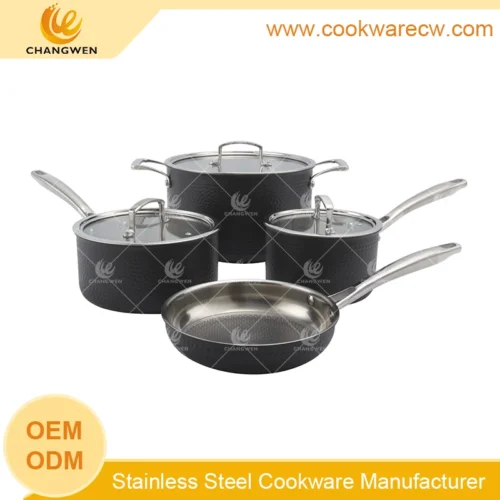
Black Hammered Stainless Steel Cookware Set CW-ETP0702
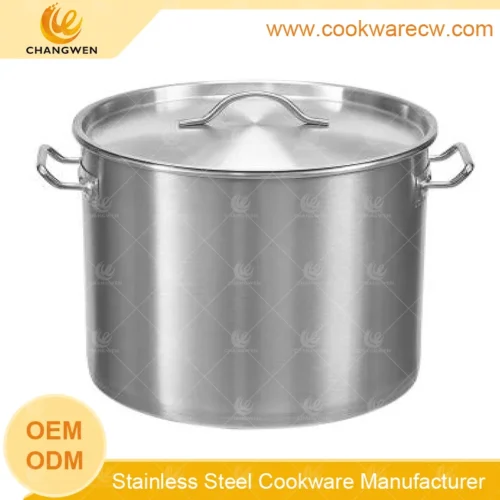
Wholesale Stock Pot CW-SP002
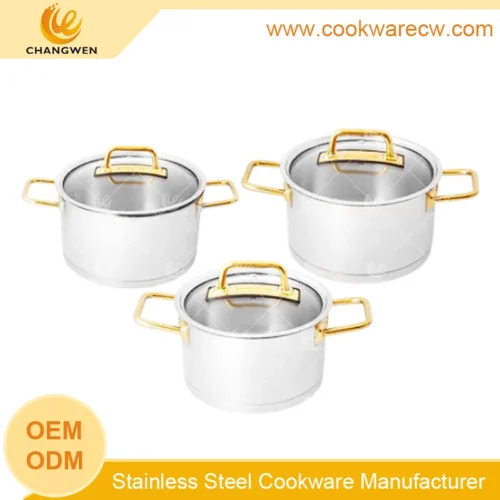
6-Piece Stainless Steel Pot Set with Gold Handles CW-ES0610
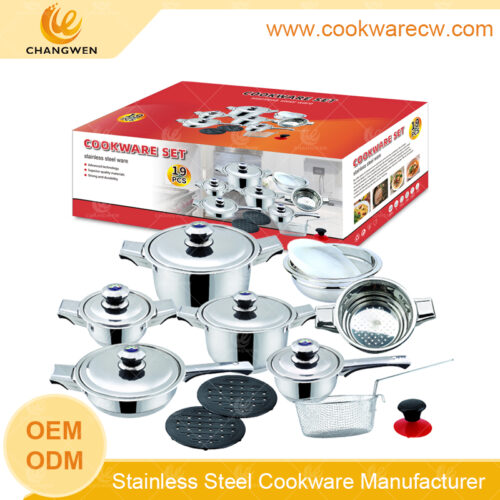
Heavy weight cookware set steamer pot 19pcs stainless steel pots and pans with thermal knobs and heat insulation handle frying basket salad bowl with PP lid kitchen utensil fire mats suction knob CW-M1901G