
Blog
Changwen is a leading cooking utensils manufacturers. We supply high quality stainless steel cooking pots and pans to all over the world. We can also customize the local hot-selling stainless steel pots and pans. Please send your requirements to Changwen.
What is Surgical Stainless Steel Cookware?
When browsing for the perfect cookware set, you may encounter the term “surgical stainless steel.” At first glance, this term might seem misplaced; however, understanding its properties can help you make an informed decision about whether surgical stainless steel cookware has a place in your kitchen. This article explains the characteristics of surgical stainless steel and the benefits it can bring to your cookware collection.
What is Surgical Stainless Steel?
Surgical stainless steel refers to a specific category of stainless steel, which contains nickel and chromium like traditional stainless steel; however, it is designed to meet strict medical standards due to its use in medical tools and implants. In cookware, surgical stainless steel is used to manufacture pots, pans, and other kitchen essentials, promoting durability, resistance to corrosion, and a polished aesthetic.
What is Surgical Stainless Steel Cookware?
Cookware made from surgical stainless steel is surgical stainless steel cookware.
Types of Surgical Stainless Steel
There are several grades of surgical stainless steel, including:
- 316 stainless steel (18/10): Also known as marine or 18/10 stainless steel, it is composed of 18% chromium and 10% nickel and includes a small proportion (typically 2-3%) of molybdenum, which increases its resistance to corrosion and enhances its durability further.
- 440 stainless steel: Primarily used for cutlery, this type of surgical stainless steel boasts improved strength and hardness compared to other grades but may be slightly less resistant to corrosion.
Why Choose Surgical Stainless Steel Cookware?
Surgical stainless steel cookware offers numerous advantages:
- Durability: On account of its robust composition, surgical stainless steel cookware can withstand wear and tear without sacrificing appearance or performance.
- Non-reactivity: Surgical stainless steel is non-reactive, meaning it does not react with food or leach toxic substances, regardless of acidity levels.
- Corrosion Resistance: Compared to standard stainless steel, surgical variants demonstrate superior resistance to corrosion due to the presence of molybdenum (in 316 stainless steel).
- Low Maintenance: This type of cookware is not only attractive but also dishwasher safe, making it easy to clean and maintain.
Considerations When Purchasing Surgical Stainless Steel Cookware
While surgical stainless steel cookware offers numerous benefits, potential buyers need to recognize that this material is not an excellent heat conductor. To mitigate this drawback, many manufacturers create a layered construction by encapsulating a layer of aluminum or copper between layers of surgical stainless steel, which enhances heat distribution and responsiveness.
Another factor to consider is cost. Surgical stainless steel cookware is typically more expensive than its non-surgical counterparts. Nevertheless, the initial investment can be justified by its long-lasting performance, appearance, and resistance to damage.
Frequently Asked Questions about Surgical Stainless Steel Cookware
Surgical stainless steel cookware is a popular choice among professional and home cooks due to its durability, attractive appearance, and non-reactive properties. Nevertheless, if you’re considering investing in surgical stainless steel cookware, you might have some questions. This article will address some frequently asked questions to help you make an informed decision.
1. What is surgical stainless steel?
Surgical stainless steel refers to several grades of stainless steel designed to meet stringent medical standards. It’s non-reactive and has superior durability, making it suitable for cutlery, cookware, and various medical applications.
2. What makes surgical stainless steel cookware exceptional?
Surgical stainless steel is known for its robust durability and corrosion resistance. It does not react with acidic or alkaline foods, ensuring no metallic taste is transferred to your dishes. It’s also easy to clean, dishwasher safe, and highly resistant to staining and scratches.
3. How do I clean surgical stainless steel cookware?
Surgical stainless steel cookware can be cleaned using warm water and mild soap. For tougher stains or burnt food, a paste of baking soda and water can be applied with a non-abrasive scrubber. Remember to dry the cookware thoroughly after washing to prevent water spots.
4. Is surgical stainless steel cookware dishwasher safe?
Yes, most surgical stainless steel cookware is dishwasher safe, making it easy to clean up after meals. Nevertheless, it’s worth checking the manufacturer’s instructions to ensure your particular cookware set is dishwasher-friendly.
5. Can I use metal utensils on surgical stainless steel cookware?
Although surgical stainless steel is sturdy and scratch-resistant, it’s always better to use wooden or silicone utensils to ensure the longevity of the cookware’s surface. Metal utensils may lead to minor surface scratches over time.
6. Is surgical stainless steel magnetic?
Yes, most surgical stainless steel is magnetic. This characteristic allows it to be compatible with induction cooktops, which use magnetic fields to heat cookware.
7. Does surgical stainless steel cookware work on induction cooktops?
Yes, most surgical stainless steel cookware is induction-compatible due to its magnetic properties. However, it’s always good to check the manufacturer’s specifications or the packaging to ensure compatibility.
8. Is surgical stainless steel cookware expensive?
Surgical stainless steel cookware tends to be more expensive than standard stainless steel cookware due to its superior durability, corrosion resistance, and non-reactivity. However, considering its extended lifespan and performance, it can be a worthwhile investment.
Conclusion
Surgical stainless steel cookware may be the right choice for you if durability, non-reactivity, and resistance to corrosion are your top priorities. While it may require a higher initial investment, the long-term rewards of high-quality, easy-to-maintain cookware may well be worth the cost.
Are you a cookware brand owner or distributor looking for a reliable manufacturer?
Changwen Cookware has been wholesaling stainless steel cookware to buyers across Europe, South America, and the Middle East for 22 years.
Welcome to request free samples or a wholesale quotation.
Contact Us
Popular Blog
Maintenance Tips of Stainless Steel Frying Pans
How to maintain stainless steel steamer?
Essential Cookware Pieces Featured by Mexican Manufacturers
The correct way to use stainless steel pot for the first time
What should we know when using a stainless steel wok?
Milk Pot: A Comprehensive Guide
What is a Stock Pot? Difference with Soup Pot
How to clean stainless steel products
Which Stainless Steel Is Microwave Safe?
How Mexico Imports Cookware from China
Stainless steel kitchen utensils also follow the progress of the times
Tags
Recommend Products
-
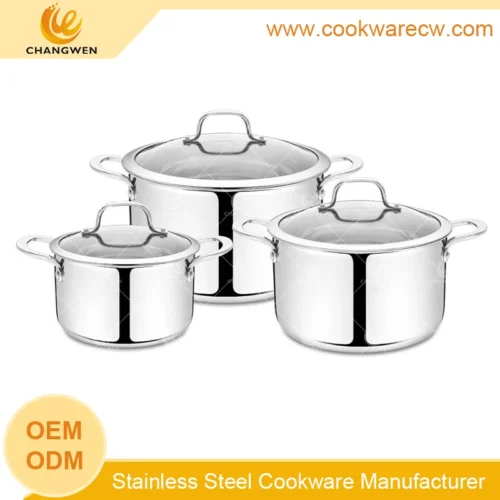
Premium Stainless Steel Pot Set for Home & Commercial Kitchens CW-TP0601
-
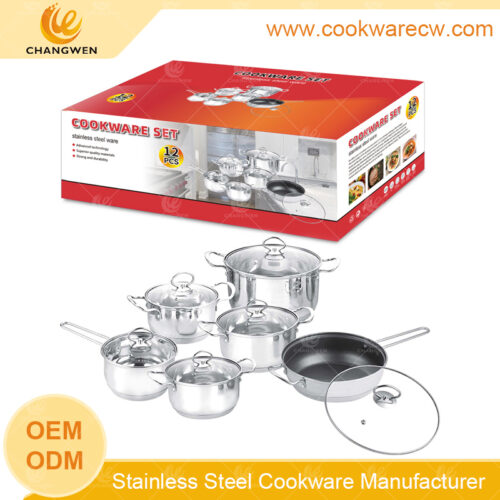
New design stainless steel 12pcs pots wholesale wire handle and knob cookware mirror polished saucepan casserole kitchen pots nonstick coated frypan CW-M1218
-
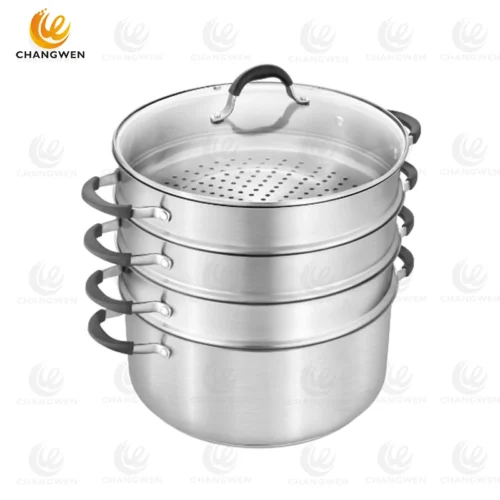
Stainless Steel Steamer Pot with Removable Basket Insert CW-ES034
-
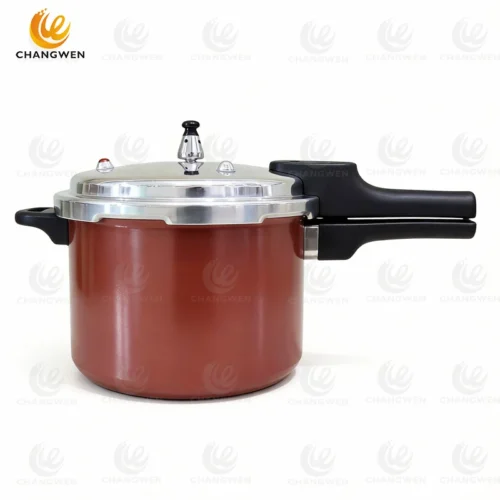
Pressure Cooker Aluminum – Single-Hand Rotation & Safety
-
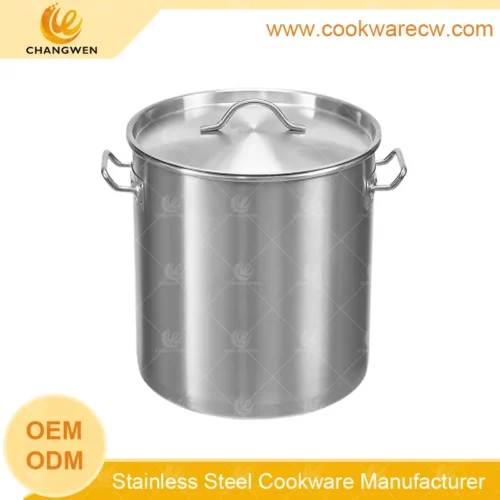
Wholesale Stainless Steel Stock Pot CW-SP001
-
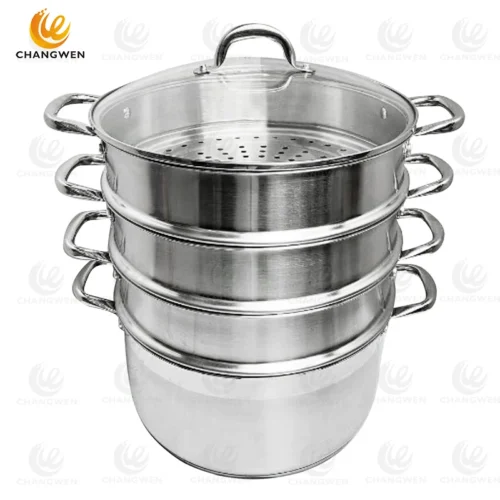
Stainless Steel Steamer Pot for Tamales – Large Capacity Design CW-ES019
-
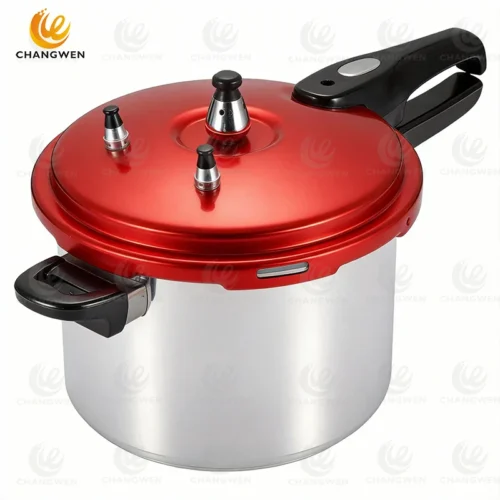
8 Qt Aluminum Pressure Cooker – Durable, Even-Heating, Easy-to-Use
-
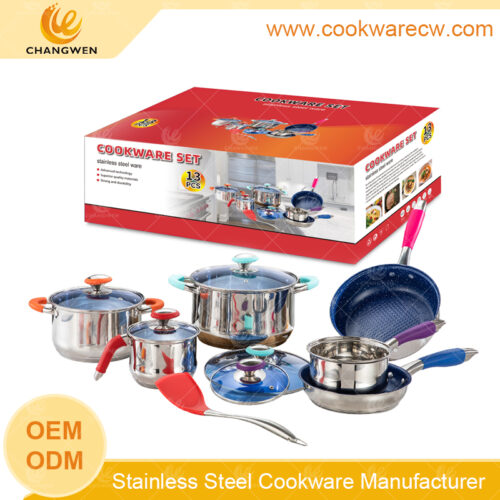
popular stainless steel pots 13pcs cookware set with heat insulated colored silicone and glass lids milkpot casseroles nonstick frypan set CW-M1206G