Introduction
When shopping for kitchen cookware in 2026, you’ve likely encountered confusing terms like PFAS, PTFE, PFOA, and wondered whether your nonstick pans are truly safe. With growing awareness about “forever chemicals” and their potential health impacts, understanding what’s in your cookware has never been more important.
Recent research from UNC Chapel Hill reveals that food processing, cookware, and packaging contribute significantly to PFAS exposure in our daily lives. As consumers become more health-conscious, the demand for PFAS-free cookware has skyrocketed, but navigating the marketing claims and chemical terminology can be overwhelming.
This comprehensive guide will help you understand exactly what PFAS and PTFE are, how they differ from PFOA, whether Teflon is truly PFAS-free, and most importantly—how to choose the safest cookware for your kitchen. Whether you’re looking for PTFE and PFOA free cookware or trying to determine if PFAS in cookware is safe, this article provides science-backed answers to all your questions.
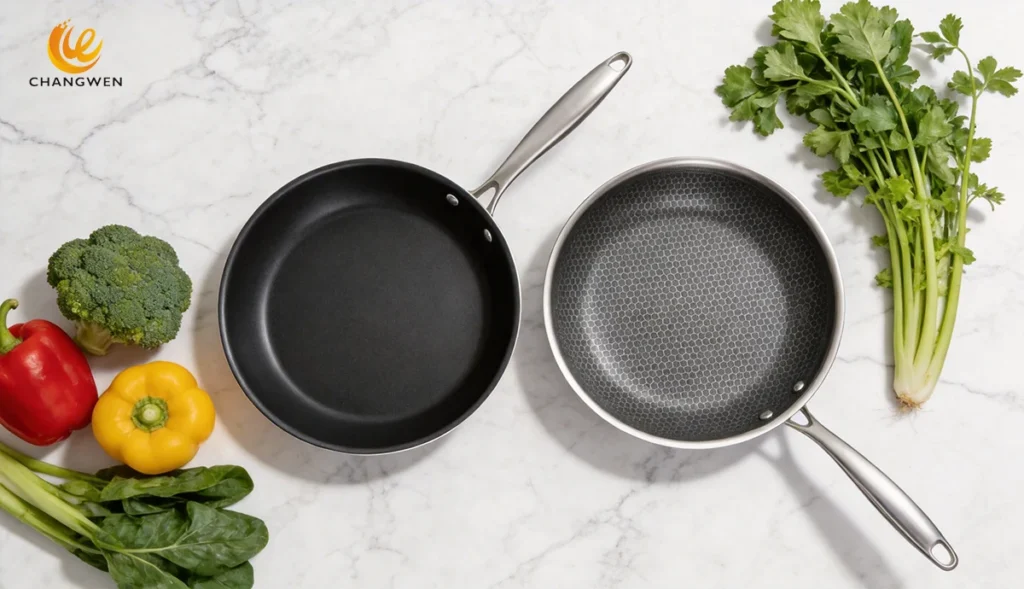
Key Takeaways
- PFAS are a large family of over 4,700 synthetic chemicals known as “forever chemicals” that persist in the environment and human body indefinitely
- PTFE is a specific type of PFAS used in nonstick coatings like Teflon, making the answer to “is PTFE a PFAS” definitively yes
- PFOA is another PFAS chemical that was previously used in PTFE manufacturing but has been phased out since 2013 due to serious health concerns
- “PFAS-free” and “PTFE-free” are not interchangeable terms—a product labeled “PTFE-free” may still contain other PFAS chemicals
- PFAS in cookware poses potential health risks including liver damage, thyroid disease, immune system problems, and certain cancers
- True PFAS-free cookware alternatives include stainless steel, cast iron, ceramic, and glass—materials that contain no synthetic fluoropolymers
- Temperature matters with PTFE cookware—overheating above 500°F (260°C) can release toxic fumes even from “PFOA-free” nonstick pans
What Are PFAS Chemicals in Cookware?
PFAS stands for per- and polyfluoroalkyl substances, a class of more than 4,700 man-made chemicals that have been used since the 1940s in various industrial and consumer products. In the context of cookware, PFAS chemicals are primarily used to create nonstick surfaces that repel water, grease, and stains.
Why Are They Called “Forever Chemicals”?
PFAS have earned the nickname “forever chemicals” because of their unique molecular structure. The carbon-fluorine bond in PFAS is one of the strongest bonds in organic chemistry, making these substances extremely resistant to degradation. This means:
- They don’t break down in the environment
- They accumulate in soil and water supplies
- They persist in the human body once absorbed
- They can be detected in the blood of nearly all Americans
Common Uses of PFAS Beyond Cookware
While our focus is cookware, it’s worth noting that PFAS appear in numerous household products:
- Water-resistant fabrics and clothing
- Stain-resistant carpets and upholstery
- Food packaging (pizza boxes, microwave popcorn bags)
- Cosmetics and personal care products
- Firefighting foam
- Industrial applications
Understanding the prevalence of PFAS helps explain why reducing exposure through cookware choices is an important health decision.
Understanding PTFE: Is PTFE a PFAS?
Is PTFE a PFAS? The Answer is Yes
PTFE (polytetrafluoroethylene) is absolutely a type of PFAS. It’s one of the most well-known members of the PFAS family and has been commercially available since 1945 under the brand name Teflon.
PTFE is a synthetic fluoropolymer—meaning it’s a large molecule made up of carbon and fluorine atoms bonded together in long chains. This structure gives PTFE its remarkable properties:
- Extremely low friction coefficient (slipperier than ice)
- High heat resistance (stable up to 500°F/260°C)
- Chemical inertness (doesn’t react with most substances)
- Water and grease repellent (perfect for nonstick surfaces)
How PTFE Works in Cookware
In nonstick cookware, PTFE is applied as a coating to the cooking surface, typically in multiple layers. This coating creates a smooth, non-porous surface that prevents food from sticking and makes cleanup effortless. The coating is so effective that you can cook eggs or pancakes with minimal or no oil.
Is PTFE Safe?
The safety of PTFE itself is nuanced:
Under normal cooking conditions (below 500°F/260°C):
- PTFE is considered chemically stable and inert
- Food does not chemically react with the surface
- The coating itself is not absorbed by food
When overheated (above 500°F/260°C):
- PTFE begins to decompose
- Releases toxic fumes that can cause “polymer fume fever” (flu-like symptoms)
- Particularly dangerous for pet birds, which have sensitive respiratory systems
- Can damage lung tissue with repeated exposure
The key safety concern isn’t PTFE at proper temperatures—it’s what else might be in the cookware and what happens when proper precautions aren’t followed.
PTFE vs PFOA vs PFAS: Breaking Down the Differences
Understanding the relationship between PTFE, PFOA, and PFAS is crucial for making informed cookware choices. Let’s clarify these terms once and for all.
The Chemical Family Tree
Think of it this way:
PFAS (the family)
├── PTFE (a specific member - used in final product)
├── PFOA (a specific member - used in manufacturing)
├── PFOS (a specific member - used in various products)
└── 4,700+ other chemicals
PTFE vs PFOA vs PFAS: Key Distinctions
| Aspect | PFAS | PTFE | PFOA |
|---|---|---|---|
| What it is | Umbrella term for 4,700+ chemicals | Specific PFAS used in nonstick coatings | Specific PFAS formerly used in PTFE production |
| Chemical name | Per- and polyfluoroalkyl substances | Polytetrafluoroethylene | Perfluorooctanoic acid |
| Primary use in cookware | Various (any fluoropolymer coating) | The actual nonstick coating | Processing aid (no longer used) |
| Found in final product | Depends on specific chemical | Yes – it IS the coating | Should be absent in modern cookware |
| Health concerns | Varies by specific chemical | Relatively stable unless overheated | Linked to cancer, thyroid problems, immune issues |
| Current status | Still widely used | Still widely used | Phased out since 2013 |
| Persistence | “Forever chemicals” | Extremely durable | Extremely persistent in environment and body |
Why PFOA Matters Even Though It’s Been Phased Out
PFOA was used as a “processing aid” during the manufacture of PTFE from the 1940s until 2013. While PFOA isn’t supposed to be present in the final cookware product, studies found:
- Trace amounts could remain on finished pans
- PFOA contaminated manufacturing facilities and surrounding communities
- Workers were exposed to high levels during production
- Environmental contamination persists decades later
The EPA reached an agreement with major manufacturers in 2006 to phase out PFOA by 2015. However, replacement chemicals (often called “GenX chemicals”) may pose similar risks, though they’re less studied.
The Marketing Confusion: “PFOA-Free” vs “PFAS-Free”
Here’s where consumers often get misled:
“PFOA-free” cookware:
- Does NOT contain PFOA specifically
- May still contain PTFE (which is a PFAS)
- May contain other PFAS chemicals
- Is still a fluoropolymer nonstick coating
“PFAS-free” cookware:
- Contains NO members of the PFAS family
- Does NOT use PTFE or any fluoropolymer coating
- Uses alternative materials (ceramic, enamel, natural seasoning)
- Represents a true alternative to traditional nonstick
The bottom line: If a product is labeled “PFOA-free” but doesn’t say “PFAS-free” or “PTFE-free,” it likely still contains PTFE with a different processing method. Always look for explicit “PFAS-free” labeling if you want to avoid all fluoropolymers.
Is Teflon PFAS-Free?
The Short Answer: No
Teflon is the brand name for PTFE, which is definitively a PFAS chemical. Therefore, Teflon is not and cannot be PFAS-free by definition. However, modern Teflon products are PFOA-free, which is what causes much of the confusion.
Understanding Modern Teflon Claims
When cookware manufacturers advertise their Teflon-coated products as “safe” or “free from harmful chemicals,” they’re typically referring to:
- PFOA-free manufacturing – The coating is made without using PFOA as a processing aid
- Compliance with current regulations – Meeting EPA and FDA standards as of 2026
- Safe when used properly – Not overheating and following care instructions
The Evolution of Teflon
Classic Teflon (pre-2013):
- Manufactured using PFOA as a processing aid
- Could contain trace PFOA residues
- Linked to environmental and health concerns
Modern Teflon (post-2013):
- Manufactured without PFOA
- Uses alternative processing chemicals (like GenX)
- Still contains PTFE as the primary coating
- Still releases fumes if overheated
What This Means for Consumers
If you’re shopping for cookware and see “Teflon” or PTFE listed:
✓ It IS PFOA-free (if manufactured after 2013) ✓ It follows current safety regulations ✗ It is NOT PFAS-free ✗ It still contains fluoropolymers ✗ It can still release fumes when overheated
For truly PFAS-free cookware, you must avoid Teflon and all PTFE-based coatings entirely.
Health Risks: Is PFAS in Cookware Safe?
The question “is PFAS in cookware safe?” doesn’t have a simple yes or no answer. The safety concerns vary depending on the specific PFAS chemical, temperature conditions, and exposure levels.
How PFAS from Cookware Enters Your Body
PFAS can migrate from cookware through several pathways:
- Direct Transfer During Cooking:
- Studies show PFAS can transfer from coating to food
- Higher transfer occurs with acidic or fatty foods
- Scratched or damaged coatings release more particles
- Inhalation of Fumes:
- When PTFE cookware is overheated (above 500°F/260°C)
- Decomposition releases toxic gases
- Can cause “polymer fume fever” with flu-like symptoms
- Ingestion of Particles:
- Microscopic particles can flake off damaged coatings
- Studies detect PTFE microplastics in human blood
- Long-term accumulation effects are still being researched
Temperature Thresholds: When PFAS in Cookware Becomes Dangerous
The temperature at which you cook dramatically affects safety:
Below 400°F (204°C):
- PTFE remains relatively stable
- Minimal decomposition or fume release
- Standard safety recommendations apply
400-500°F (204-260°C):
- Transition zone where PTFE begins breaking down
- Some fume release may occur
- Not recommended for extended periods
Above 500°F (260°C):
- Significant PTFE decomposition
- Toxic fume release accelerates
- Can occur easily on stovetops:
- Preheating empty pan on high heat
- Searing meat at very high temperatures
- Oven temperatures above this threshold
Note: Empty nonstick pans can reach 500°F in just 2-5 minutes on high heat.
How to Identify PFAS PFOA and PTFE Free Cookware
Shopping for truly safe cookware requires knowing what to look for—and what marketing language to question. Here’s your comprehensive guide to identifying PFAS PFOA and PTFE free cookware.
Label Claims to Look For
✓ Truly Safe Claims:
- “100% PFAS-free”
- “PTFE-free”
- “No fluoropolymers”
- “No synthetic coatings”
- “Ceramic nonstick” (verify it’s sol-gel ceramic, not misleading)
- “Naturally nonstick” (for seasoned cast iron)
⚠ Potentially Misleading Claims:
- “PFOA-free” (may still contain PTFE and other PFAS)
- “APEO-free” (refers to different chemicals, not PFAS)
- “Non-toxic” (vague term with no legal definition)
- “Eco-friendly” or “Green” (marketing terms, not certifications)
- “Safe ceramic” (some ceramic coatings contain PTFE)
✗ Red Flag Claims:
- “Safe Teflon” (Teflon is PTFE, which is a PFAS)
- “New formula PTFE” (still PTFE, still a PFAS)
- “GenX-free” (may contain other concerning PFAS)
Material Certifications to Trust
Look for these third-party certifications:
- GreenGuard Gold Certified
- Tests for chemical emissions
- Includes PFAS screening
- Made Safe Certified
- Screens for PFAS and other harmful chemicals
- Rigorous testing protocols
- OEKO-TEX Certified
- Tests for harmful substances
- Includes some PFAS screening
- European Food Safety Authority (EFSA) Compliance
- Stricter regulations than US FDA
- Lower migration limits
How to Read Cookware Labels
Step 1: Check the Product Description Look for explicit statements about coating materials. Manufacturers of truly PFAS-free products proudly advertise this feature.
Step 2: Review the Materials List Safe materials include:
- Stainless steel (304 or 316 grade)
- Cast iron (unseasoned or pre-seasoned)
- Carbon steel
- 100% ceramic (sol-gel, not PTFE with ceramic particles)
- Glass
- Enameled cast iron or steel
Questionable materials:
- “Ceramic nonstick” (verify composition)
- “Diamond-infused” coatings (often PTFE-based)
- “Granite” or “Stone” coatings (marketing terms, check actual material)
Step 3: Verify Manufacturer Claims
- Visit the manufacturer’s website for detailed specifications
- Contact customer service for written confirmation
- Look for independent lab testing results
- Check for European Union compliance (stricter standards)
Cookware Materials That Are Naturally PFAS-Free
Stainless Steel:
- Composition: Iron, chromium, nickel (in some grades)
- Benefits: Durable, non-reactive, dishwasher safe
- Best for: Searing, sautéing, boiling, general cooking
- Note: Not naturally nonstick; requires proper preheating and fat
Cast Iron:
- Composition: Iron with 2-4% carbon
- Benefits: Excellent heat retention, naturally nonstick when seasoned, adds iron to food
- Best for: High-heat cooking, searing, baking
- Note: Requires seasoning maintenance; reactive with acidic foods
Carbon Steel:
- Composition: Iron with less than 2% carbon
- Benefits: Lighter than cast iron, develops natural nonstick patina
- Best for: Wok cooking, crepes, stir-fries
- Note: Similar care to cast iron but more responsive to heat changes
100% Ceramic (Sol-Gel):
- Composition: Silica-based ceramic derived from sand
- Benefits: Nonstick without PFAS, heat resistant, easy cleanup
- Best for: Eggs, pancakes, gentle cooking
- Note: Less durable than metal; typically lasts 2-5 years with care
Enameled Cast Iron:
- Composition: Cast iron with porcelain enamel coating
- Benefits: Non-reactive, doesn’t require seasoning, colorful options
- Best for: Slow cooking, braising, baking, acidic foods
- Note: Enamel can chip; avoid thermal shock
Glass:
- Composition: Borosilicate or tempered glass
- Benefits: Completely non-reactive, transparent (monitor cooking), oven-safe
- Best for: Baking, casseroles, microwave cooking
- Note: Not suitable for stovetop use unless specifically designed
Hybrid Approach: Building Your PFAS-Free Kitchen
Most cooks find success with a combination approach:
Essential Starter Set:
- 10-12″ stainless steel skillet (all-purpose workhorse)
- 10″ cast iron skillet (high-heat searing)
- 3-quart stainless steel saucepan (sauces, grains)
- 6-8 quart stainless steel stock pot (soups, pasta)
Optional Additions:
- Carbon steel wok (Asian cooking)
- 8-10″ ceramic nonstick pan (eggs only)
- 5-7 quart enameled Dutch oven (braises, bread)
- Glass baking dishes (casseroles)
This combination provides complete cooking versatility while maintaining 100% PFAS-free status.
Safe Cooking Practices with PTFE and PFOA Free Cookware
Switching to PFAS-free cookware is just the first step. Maximizing performance and safety requires understanding proper techniques for each material type.
Stainless Steel Cooking Tips
Preventing Food from Sticking:
- The Preheat is Critical:
- Heat pan on medium for 2-3 minutes
- Test with water droplet (should form a ball and roll)
- Add oil only after preheating
- Let oil heat until it shimmers
- Use Adequate Fat:
- Minimum 1-2 tablespoons for a 10″ pan
- Fat creates a barrier between food and metal
- Try butter, olive oil, avocado oil, or ghee
- Don’t Move Food Too Soon:
- Let proteins develop a crust (they’ll release naturally)
- Patience prevents sticking and tearing
- Typically 3-5 minutes per side for proteins
- Deglazing is Your Friend:
- If food sticks, add wine, stock, or water
- Scrape up browned bits (fond) for incredible flavor
- Turn sticking into an advantage
Cleaning Stainless Steel:
- Deglaze while pan is hot for easy cleanup
- Use Bar Keeper’s Friend for stubborn stains
- Avoid steel wool on polished finishes
- Dishwasher safe, but hand washing preserves shine
Cast Iron and Carbon Steel Maintenance
Proper Seasoning Protocol:
- Initial Seasoning:
- Wash with soap and dry completely
- Apply thin layer of high-smoke-point oil
- Wipe off excess (should look dry, not oily)
- Bake upside down at 450-500°F for 1 hour
- Repeat 3-6 times for best results
- Maintenance Seasoning:
- After each use, apply thin oil layer while warm
- Stovetop seasoning: heat oiled pan until smoking
- Wipe with paper towel to create thin coating
- Regular use builds better seasoning than occasional use
Daily Care:
- Cleaning: Use hot water and scrub brush (soap is okay, despite myths)
- Drying: Thoroughly dry immediately (prevent rust)
- Oiling: Thin layer of oil after each use
- Storage: Keep in dry location, paper towel between stacked pans
What to Avoid:
- ✗ Cooking acidic foods in new pans (tomatoes, vinegar, wine)
- ✗ Soaking in water for extended periods
- ✗ Dishwasher (will remove seasoning and cause rust)
- ✗ Storing with lid on (traps moisture)
If Rust Develops:
- Scrub off rust with steel wool
- Re-season completely following initial protocol
- Use more frequently to prevent recurrence
Ceramic Nonstick Care
Extending Lifespan:
- Temperature Control:
- Use low to medium heat only
- Avoid high heat (degrades coating faster)
- Never preheat empty
- No oven use above 350-400°F (check manufacturer specs)
- Utensil Choice:
- Wood, silicone, or nylon utensils only
- Never use metal (scratches coating)
- Avoid sharp edges and knives in pan
- Cleaning Protocol:
- Hand wash with soft sponge
- Use mild dish soap
- Avoid abrasive cleaners and scouring pads
- Not dishwasher safe (despite some claims)
- Storage:
- Use pan protectors or towels between stacked cookware
- Hanging storage is ideal
- Avoid metal-on-ceramic contact
Reviving Nonstick Properties: If food starts sticking:
- Create a baking soda paste (3 parts baking soda, 1 part water)
- Spread over cooking surface
- Let sit 15-20 minutes
- Rinse thoroughly and dry
- Coat with thin layer of cooking oil before next use
Expected Lifespan: Even with perfect care, ceramic nonstick typically lasts 2-5 years. Plan to replace when:
- Food consistently sticks despite proper technique
- Visible scratches or wear on coating
- Coating begins to chip or flake
Universal Safety Practices
Ventilation:
- Always cook with proper ventilation (even PFAS-free pans benefit)
- Use exhaust fans to remove cooking fumes
- Open windows when possible
- Reduces exposure to any cooking byproducts
Temperature Awareness:
- Use medium heat for most cooking
- Reserve high heat for specific techniques (searing)
- Never leave pans unattended on heat
- Remove from heat when done cooking
Safe Oil Choices: Match oil to cooking temperature:
- High heat (400°F+): Avocado oil, refined coconut oil, ghee
- Medium-high heat (350-400°F): Olive oil, grapeseed oil, vegetable oil
- Medium heat (300-350°F): Butter, unrefined oils
Utensil Selection:
- Match utensils to cookware material
- Keep a variety of materials (wood, silicone, metal)
- Replace worn utensils that might damage pans
FAQ
Is all Teflon bad for you?
Modern Teflon (post-2013) is PFOA-free and generally considered safe when used properly, but it’s still a PFAS chemical (PTFE). While it meets current safety regulations, concerns remain about PFAS bioaccumulation and environmental persistence. The key safety issue is avoiding overheating above 500°F, which releases toxic fumes. If you’re concerned about “forever chemicals,” choose PFAS-free alternatives like stainless steel or cast iron instead.
What is the difference between PFAS-free and PTFE-free?
PTFE-free specifically means the product doesn’t contain polytetrafluoroethylene, the chemical used in Teflon. PFAS-free means the product contains none of the 4,700+ chemicals in the PFAS family, including PTFE. A product can be “PTFE-free” but still contain other PFAS chemicals. For complete peace of mind, always look for “PFAS-free” rather than just “PTFE-free” when shopping for cookware.
Are ceramic nonstick pans really PFAS-free?
True ceramic nonstick pans made through sol-gel technology are 100% PFAS-free. However, some products marketed as “ceramic” contain PTFE mixed with ceramic particles—these are NOT PFAS-free. Always verify that the cookware is labeled “100% ceramic coating” or “sol-gel ceramic” and check with the manufacturer if you’re unsure. Reputable brands like GreenPan, Caraway, and Zwilling clearly state their PFAS-free status.
Can I still use my old Teflon pans safely?
If your Teflon pans are scratched, peeling, or visibly damaged, replace them immediately. Intact pans manufactured after 2013 (PFOA-free) can be used safely with these precautions: never exceed 500°F, never preheat empty pans, use low to medium heat only, avoid metal utensils, replace when coating shows wear, and ensure good ventilation while cooking. However, switching to PFAS-free alternatives eliminates these concerns entirely.
Is stainless steel better than nonstick?
Stainless steel is better than nonstick for health and durability—it contains zero PFAS, lasts a lifetime, and handles high heat safely. However, it’s not naturally nonstick and requires proper technique (preheating, adequate fat, patience). Nonstick is better for convenience with eggs and delicate foods. Most cooks benefit from having both: stainless steel as your primary cookware and perhaps one ceramic nonstick pan for eggs. This combination offers versatility without PFAS exposure.
Do I need to throw away all my nonstick cookware?
You don’t need to panic, but you should assess each piece. Immediately discard: pans with visible scratching, peeling, or chipping; pans manufactured before 2013 (likely contain PFOA); and pans you’re unsure about the age or condition. Keep temporarily if needed: intact, undamaged PFOA-free pans while you transition to PFAS-free alternatives. Long-term plan: gradually replace all PTFE cookware with PFAS-free options like stainless steel, cast iron, or ceramic.
What temperature is safe for PTFE cookware?
PTFE remains relatively stable below 400°F (204°C) and should never exceed 500°F (260°C). Above 500°F, PTFE begins decomposing and releases toxic fumes. This threshold is easily reached: an empty nonstick pan on high heat can reach 500°F in just 2-5 minutes. Safety tips: never preheat empty, use low to medium heat only, never broil with nonstick cookware, avoid ovens above 400-450°F (check manufacturer limits), and always use cooking oil or food in the pan immediately when heating.
Are there PFAS in stainless steel cookware?
No, stainless steel cookware contains zero PFAS chemicals. It’s made from iron, chromium, and nickel (in some grades), with no synthetic coatings or fluoropolymers. This makes stainless steel one of the safest cookware materials available. However, if stainless steel cookware has a nonstick coating on the interior, verify that coating is PFAS-free (some manufacturers add PTFE coatings to stainless steel bases, which defeats the purpose of choosing stainless steel).
Can I use metal utensils on PFAS-free cookware?
It depends on the specific cookware material. Yes for stainless steel, cast iron, carbon steel, enameled cast iron (with caution), and glass. No for ceramic nonstick—always use wood, silicone, or nylon utensils to prevent scratching and preserve the coating. When in doubt, check the manufacturer’s recommendations. Using appropriate utensils significantly extends cookware lifespan, especially for coated surfaces.
How do I know if my old cookware contains PFOA?
PFOA was phased out of cookware manufacturing by 2013-2015. If your nonstick cookware was manufactured before 2013, it likely contains PFOA residue. Check: the manufacturing date (often stamped on bottom), purchase records, brand website for phase-out timeline, or contact manufacturer with model number. If you can’t determine the age or it’s pre-2013, it’s safest to replace it. All major manufacturers (Teflon, Calphalon, All-Clad, etc.) eliminated PFOA by 2013-2015.
What are the safest nonstick alternatives?
The safest nonstick alternatives that are 100% PFAS-free include: seasoned cast iron (natural nonstick from oil polymerization), carbon steel (similar to cast iron but lighter), true ceramic nonstick (sol-gel technology, not PTFE), well-seasoned stainless steel (with proper technique), and enameled cast iron (porcelain coating). Each has trade-offs in performance, maintenance, and cost, but all eliminate PFAS exposure entirely. Cast iron and carbon steel offer the best combination of performance, durability, and affordability.
Conclusion
Understanding PFAS, PTFE, and PFOA in cookware is essential for making informed decisions about your kitchen and health. While modern PFOA-free PTFE cookware meets current safety regulations, the growing body of research on PFAS persistence and bioaccumulation suggests that minimizing exposure through PFAS-free cookware alternatives is a wise precautionary approach.

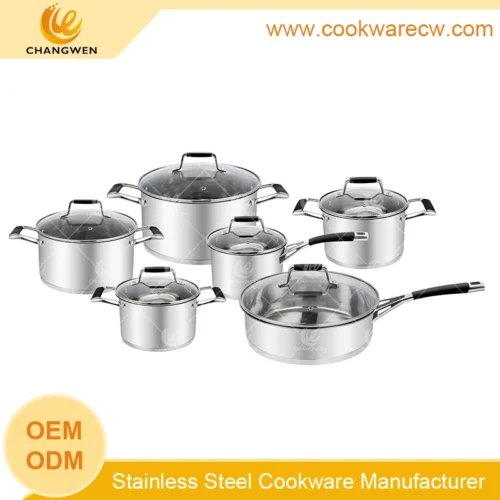
Premium 12-Piece Stainless Steel Cookware with Black Handles CW-ES1204G
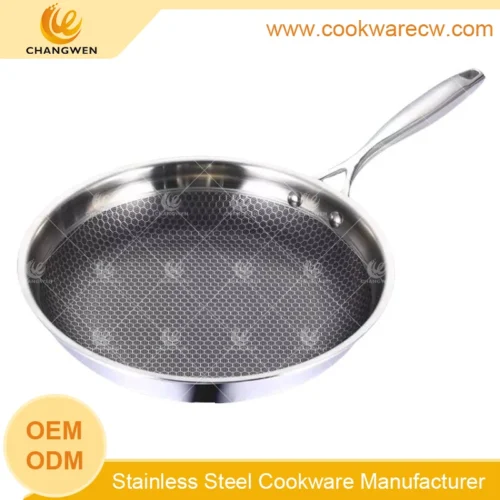
Honeycomb Stainless Steel Frying Pan for Even Cooking CW-TP011
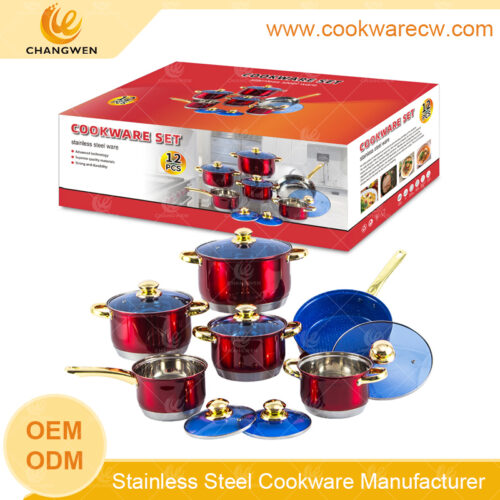
pots wholesale red color outside coating cookware pots non-stick fry pan with stainless steel 430 5-stepped bottom CW-M1225
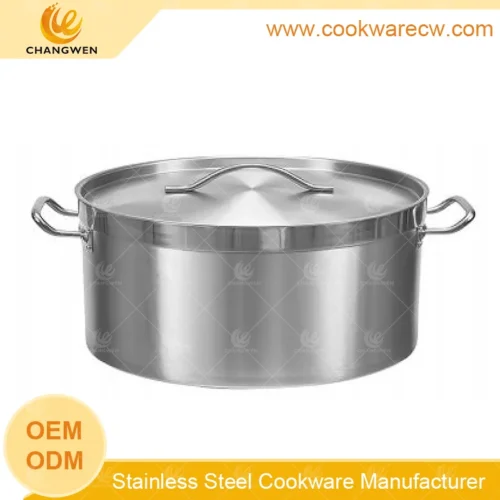
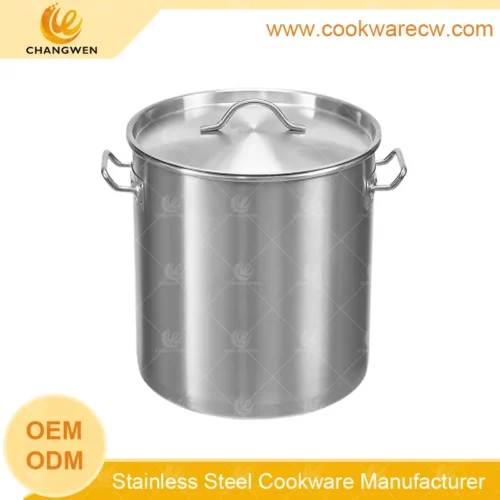
Stainless Steel Stock Pot CW-SP002
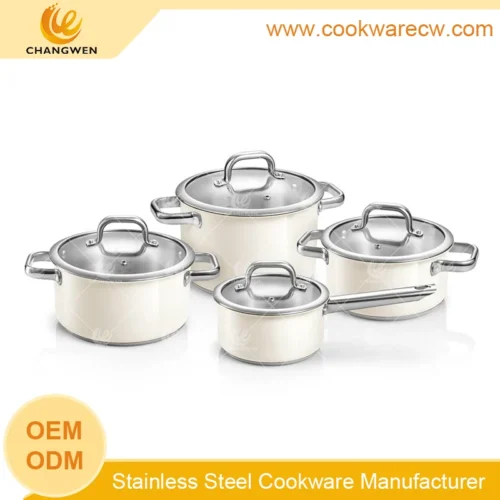
8-Piece Cream White Stainless Steel Cookware Set with Saucepan CW-ES0803
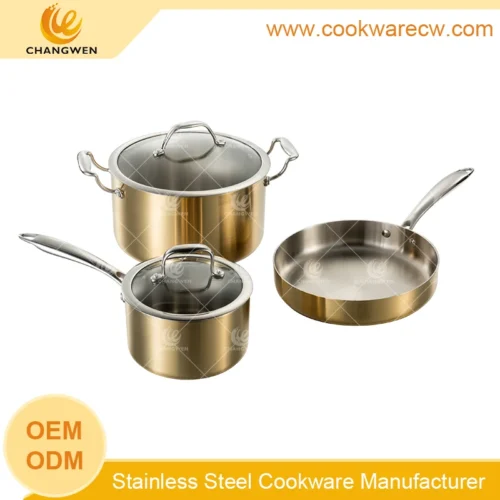
Copper-Colored Stainless Steel Cookware Set CW-ETP0502
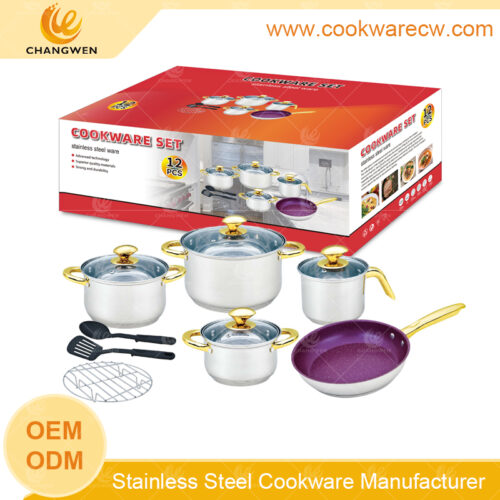
Cookware wholesaler 12pcs pots and pans stainless steel cooking sets kitchenware tools and steamer CW-M1211
Stainless Steel Large Cook Pot CW-SP001