A pressure cooker stainless steel harnesses the power of pressurized steam to cook food 70% faster than conventional methods while preserving more nutrients, flavors, and natural colors. By creating a sealed environment where pressure builds above normal atmospheric levels, water boils at higher temperatures (up to 121°C/250°F versus the normal 100°C/212°F), dramatically accelerating cooking times.
The fundamental principle involves trapping steam inside a sealed pot. As water converts to steam, pressure increases within the sealed vessel. This elevated pressure raises water’s boiling point, allowing foods to cook at higher temperatures. The result: tough cuts of meat become tender in 30 minutes instead of 3 hours, dried beans cook without overnight soaking, and vegetables retain vibrant colors and nutrients often lost in traditional boiling.
Modern stainless steel pressure cookers represent sophisticated cooking equipment far removed from the temperamental devices of previous generations. Contemporary models incorporate multiple redundant safety systems, precise pressure controls, and user-friendly designs that make pressure cooking accessible to home cooks of all skill levels.
Stainless steel construction offers distinct advantages over aluminum alternatives: superior durability, non-reactive surfaces safe for all foods, attractive appearance suitable for stovetop-to-table service, and compatibility with all cooktop types including induction. Quality pressure cooker pot stainless steel models serve kitchens reliably for decades, making them sound long-term investments.
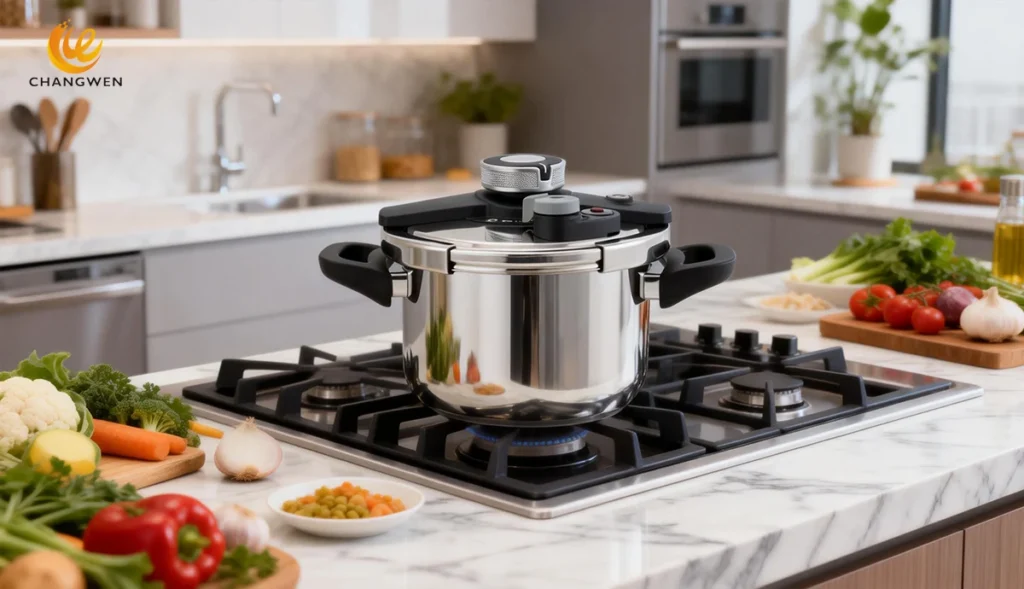
Key Takeaways
Essential Points for Choosing the Perfect Pressure Cooker Stainless Steel:
- Size Selection Matters: Choose from 2 litre pressure cooker stainless steel for individuals to 10 quart stainless steel pressure cooker for large families based on household needs
- Material Quality: Premium pressure cooker pot stainless steel features 304 food-grade construction with tri-ply or aluminum-core bases for even heat distribution
- Safety First: Modern stainless steel pressure cookers include multiple safety mechanisms—pressure indicators, locking lids, and automatic pressure release systems
- Trusted Brands: Leading options like Presto 8 qt stainless steel pressure cooker and Presto 6 qt stainless steel pressure cooker offer proven reliability and value
- Proper Technique: Understanding how to use stainless steel pressure cooker correctly ensures safe operation, optimal results, and equipment longevity
Whether you’re seeking faster meal preparation, preserving more nutrients, or reducing energy costs, a quality stainless steel pressure cooker delivers consistent performance for years of healthy, efficient cooking.
Why Choose Stainless Steel Over Aluminum?
Material selection fundamentally impacts performance, safety, and longevity. Understanding the aluminium pressure cooker vs stainless steel pressure cooker debate helps you make informed purchasing decisions.
Durability and Longevity Comparison
When evaluating which is better aluminium or stainless steel pressure cooker from a durability perspective, stainless steel consistently outperforms:
Stainless Steel Advantages: Heavy-gauge stainless steel construction resists denting, warping, and damage from impacts that would permanently deform aluminum. Quality stainless steel pressure cookers maintain their shape and seal integrity through decades of use, often becoming family heirlooms passed between generations.
The robust nature of stainless steel proves particularly valuable in busy kitchens where equipment experiences frequent handling and occasional rough treatment. Unlike aluminum that develops dents from minor impacts, stainless steel’s hardness protects against most common damage types.
Aluminum Limitations: While aluminum pressure cookers cost less initially, the softer metal dents easily, potentially compromising the critical seal between pot and lid. Dented rims prevent proper sealing, creating safety hazards and cooking failures. Aluminum also develops surface pitting over time, affecting both appearance and functionality.
Non-Reactive Properties and Food Safety
Stainless steel’s chemical stability makes it ideal for cooking all food types:
All-Food Compatibility: Cook acidic foods (tomatoes, citrus, wine-based dishes), alkaline ingredients, or dairy products without worrying about metallic flavors or chemical reactions. Stainless steel won’t leach into foods, maintaining pure flavors while ensuring food safety.
Aluminum Reactivity: Aluminum reacts with acidic and alkaline foods, potentially leaching small amounts of aluminum into dishes while causing discoloration of both the pot and the food. While modern anodized aluminum reduces this reactivity, it still can’t match stainless steel’s complete inertness.
For health-conscious cooks or those frequently preparing tomato-based sauces, citrus-infused dishes, or other acidic recipes, stainless steel eliminates concerns about metal leaching entirely.
Heat Distribution and Cooking Performance
Premium stainless steel pressure cookers address stainless steel’s relatively poor heat conductivity through sophisticated construction:
Tri-Ply and Multi-Clad Bases: Quality models feature aluminum or copper cores sandwiched between stainless steel layers. This composite construction combines stainless steel’s durability and non-reactive properties with superior thermal conductivity, ensuring even heat distribution across the cooking surface.
Encapsulated Bases: Impact-bonded aluminum discs on pot bottoms provide excellent heat spreading at more accessible price points than full tri-ply construction.
Aluminum’s Natural Advantage: Pure aluminum conducts heat exceptionally well, heating quickly and distributing warmth evenly. However, modern stainless steel pressure cookers with quality multi-layer bases match or exceed aluminum’s performance while offering stainless steel’s other advantages.
Appearance and Maintenance
Stainless Steel Benefits: Maintains attractive mirror-polished or brushed finish through years of use. The non-porous surface doesn’t absorb stains, odors, or flavors. Most stainless steel models are dishwasher-safe (though hand washing is recommended for longevity).
Aluminum Considerations: Develops darkened, oxidized appearance over time. Requires specific cleaning products maintaining appearance. Cannot safely go in dishwashers without special anodizing treatment.
Induction Compatibility
Stainless Steel: Most quality stainless steel pressure cookers work on induction cooktops thanks to magnetic-grade stainless steel in base construction. This future-proofs your investment as kitchens increasingly adopt induction technology.
Aluminum: Pure aluminum doesn’t work on induction cooktops unless specifically designed with magnetic base layers—a feature adding cost and complexity.
The Verdict
While aluminum pressure cookers offer lower initial cost and faster heating, stainless steel’s superior durability, food safety, appearance retention, and versatility make it the better long-term investment for most cooks. The aluminium pressure cooker vs stainless steel pressure cooker decision ultimately favors stainless steel for anyone prioritizing quality, longevity, and cooking performance over minimal upfront savings.
Capacity Guide: Choosing the Right Size

Selecting appropriate capacity ensures your pressure cooker handles typical cooking needs efficiently without being unwieldy.
Small Capacity: 2-3 Litre Models
A 2 litre pressure cooker stainless steel or 3 litre pressure cooker stainless steel serves specific needs:
Ideal For:
- Singles and couples cooking small portions
- Side dishes and accompaniments for larger meals
- Quick-cooking small batches of grains or legumes
- Compact kitchens with limited storage
- Secondary pressure cooker for households already owning larger models
Typical Servings: 1-3 people depending on recipe type
Common Uses: 2-3 cups rice, 1-2 servings stew, small batches of stock, steaming vegetables for 2-3 people
The 3l pressure cooker stainless steel represents the practical minimum for pressure cooking effectiveness. Smaller models may not reach or maintain proper pressure due to insufficient volume.
Medium Capacity: 5-6 Quart (4.5-5.5 Litre)
This size range represents the most versatile capacity for average households:
Pressure Cooker 5 Litre Stainless Steel Benefits:
- Handles daily cooking for families of 3-5
- Sufficient capacity for meal prep and batch cooking
- Manageable size for storage and handling
- Optimal pressure-to-volume ratio for efficient cooking
The Presto 6 Qt Stainless Steel Pressure Cooker: One of the most popular models in this category, offering proven reliability, safety features, and excellent value. The 6-quart capacity provides room for whole chickens, pot roasts, or large batches of soup while remaining compact enough for daily use.
Typical Servings: 4-6 people
Common Uses: Whole chicken, 4-6 servings of stew, 4-6 cups of rice, pot roasts up to 3 pounds
Large Capacity: 8 Quart Models
The 8 qt pressure cooker stainless steel or 8 quart stainless steel pressure cooker serves larger households and serious home cooks:
Best For:
- Families of 6-8 people
- Batch cooking and meal prep enthusiasts
- Entertaining and holiday cooking
- Canning and preserving (ensure model is specifically approved for canning)
- Cooking large cuts of meat (whole briskets, large roasts)
The Presto 8 Qt Stainless Steel Pressure Cooker: A flagship model offering generous capacity with proven Presto reliability. The 8-quart size handles holiday roasts, large batches of chili, or complete one-pot meals for extended families.
Typical Servings: 6-10 people
Common Uses: 8-10 cups rice, large pot roasts (4-6 pounds), whole turkeys (up to 12 pounds depending on model), 4-5 quarts soup or stew, canning batches
Extra-Large Capacity: 10+ Quart Models
The 10 quart stainless steel pressure cooker suits specific high-volume needs:
Ideal Applications:
- Very large families (10+ members)
- Small catering or commercial operations
- Serious home canners processing large harvests
- Religious or cultural gatherings requiring substantial food quantities
- Institutional cooking (small cafeterias, group homes)
Typical Servings: 10-15+ people
Considerations: Substantial size requires adequate storage space, powerful cooktops maintaining pressure, and physical strength handling heavy loads when full.
Capacity Selection Guidelines
When deciding between sizes:
Fill Capacity Rules: Never fill pressure cookers more than 2/3 full (1/2 full for foods that expand like beans, grains, or pasta). Account for this limitation when selecting capacity.
Growth Planning: Choose capacity slightly larger than current needs if family size might expand or you plan to explore batch cooking and meal prep.
Multiple Sizes: Serious pressure cooking enthusiasts often maintain both medium (5-6 quart) for daily use and large (8+ quart) for batch cooking and special occasions.
Storage Reality Check: Measure available storage space before purchasing larger models. A 10-quart pressure cooker serves no purpose if it can’t fit in your cabinets.
Essential Features and Safety Systems

Modern pressure cookers incorporate sophisticated features ensuring safe, convenient, and successful cooking.
Multi-Level Safety Mechanisms
Quality stainless steel pressure cookers include redundant safety systems preventing accidents:
Primary Pressure Regulator: Controls steam release maintaining consistent cooking pressure (typically 15 PSI for high-pressure models). Weighted regulators rock gently during cooking, providing visual feedback. Spring-valve regulators offer quieter operation with pressure gauge indicators.
Safety Lock System: Prevents lid opening while contents remain under pressure. Mechanical interlocks physically prevent lid rotation unless pressure has fully released, eliminating the dangerous practice of forcing lids open prematurely.
Pressure Release Mechanisms: Multiple systems release excess pressure:
- Primary pressure regulator (controlled release during cooking)
- Secondary safety valve (activates if primary regulator fails)
- Gasket release (deforms slightly to vent pressure if other systems fail)
Overpressure Protection: Safety plugs designed to melt or blow out at dangerous pressure levels, providing final backup protection.
Quality Indicator: Count safety features—premium pressure cookers typically include 4-6 independent safety systems providing redundant protection.
Lid Lock and Sealing Systems
Effective sealing separates successful pressure cooking from frustrating failures:
Bayonet-Style Locks: Lid aligns and locks with a quarter-turn motion. Simple, reliable, and time-tested design found on many Presto models and professional-grade cookers.
Clamp-Style Locks: External clamps secure lid to pot body. Provides extremely secure sealing but requires more time to engage and disengage.
Sealing Gaskets: Silicone or rubber gaskets create the critical airtight seal. Quality gaskets:
- Fit precisely in designated grooves
- Maintain flexibility through hundreds of heating cycles
- Resist food staining and odor absorption
- Are readily available as replacement parts
Maintenance Note: Gaskets represent the primary wear item in pressure cookers, typically requiring replacement every 12-18 months with regular use. Verify replacement gasket availability before purchasing.
Pressure Control Options
Different pressure settings enable cooking versatility:
High Pressure (15 PSI): Standard for most recipes, providing maximum cooking speed. Ideal for tough cuts of meat, dried beans, stocks, and most pressure cooking applications.
Low Pressure (5-8 PSI): Gentler cooking suitable for delicate foods like fish, custards, or vegetables requiring precise doneness.
Variable Pressure Models: Some premium cookers offer adjustable pressure settings, providing maximum versatility across diverse recipe types.
Handle Design and Usability
Ergonomic handles enhance safety and convenience:
Long, Heat-Resistant Handles: Side handles should extend sufficiently for secure two-handed lifting while staying cool during stovetop cooking. Hollow or composite handle construction dissipates heat effectively.
Helper Handles: Opposite-side grips on larger models (8+ quarts) facilitate safe two-handed maneuvering when the pot is heavy with food and liquid.
Secure Attachment: Handles must be permanently riveted or welded—screwed attachments may loosen over time, creating safety hazards.
Base Construction for Even Heating
Bottom construction determines heating performance:
Tri-Ply Full Construction: Stainless-aluminum-stainless layers extend throughout pot body, providing superior heat distribution and optimal cooking performance. More expensive but worth the investment for serious cooks.
Impact-Bonded Base: Aluminum disc bonded to stainless steel pot bottom. More affordable while still offering good heat distribution. Suitable for most home cooking applications.
Induction Compatibility: Verify magnetic base construction if you have or plan to purchase an induction cooktop. Test with a magnet—if it adheres firmly to the bottom, the pressure cooker works on induction.
Thickness Consideration: Heavier bases (3mm+ total thickness) distribute heat more evenly, preventing hot spots that might scorch food before pressure develops.
How to Use Stainless Steel Pressure Cooker: Complete Guide

Proper technique ensures safety, optimal results, and equipment longevity. Understanding how to use stainless steel pressure cooker correctly transforms this efficient tool into an indispensable kitchen partner.
Pre-Cooking Preparation
Read the Manual: Every pressure cooker model has specific operating procedures. Thoroughly review your manual, paying particular attention to safety warnings and recommended liquid minimums.
Inspect Components: Before each use, check:
- Sealing gasket for cracks, permanent deformation, or food residue
- Pressure regulator vent for blockages
- Safety valves for obstructions
- Lid lock mechanism for smooth operation
Prepare Ingredients: Cut foods into uniform sizes ensuring even cooking. Measure liquids carefully—pressure cookers require minimum liquid (typically 1-2 cups) to generate steam but shouldn’t be overfilled.
Basic Operating Steps
- Add Ingredients: Place food and liquid in the pot. Never fill more than 2/3 full (1/2 full for expanding foods like rice or beans). Ensure minimum liquid requirements are met.
- Seal the Cooker: Position lid according to alignment marks. Rotate to locked position. Verify the lid is completely secured—it shouldn’t rotate freely when locked properly.
- Set Pressure Regulator: Position the pressure regulator on the vent pipe (for weighted regulators) or set desired pressure level (for valve-type regulators).
- Heat to Pressure: Place on stovetop over medium-high heat. As contents heat, steam builds inside the pot. With weighted regulators, steam begins escaping and the weight eventually rocks steadily. With valve regulators, pressure indicators rise to the desired level.
- Adjust Heat: Once pressure is reached (indicated by steady rocking of weighted regulator or pressure gauge reaching target), reduce heat to maintain gentle, steady pressure. You want minimal rocking of weighted regulators (2-3 rocks per minute) or stable pressure gauge readings.
- Count Cooking Time: Begin timing once proper pressure is achieved and heat is adjusted. Follow recipe timing precisely—pressure cooking happens quickly, and a few extra minutes can mean overcooking.
- Release Pressure Safely: After cooking time completes, release pressure using appropriate method:
- Natural Release: Remove from heat and let pressure drop naturally (10-30 minutes). Best for meats, beans, and foods that benefit from continued cooking as pressure decreases.
- Quick Release: Run cool water over lid (stovetop models) or press quick-release valve (electric models). Used for vegetables or foods where precise timing prevents overcooking.
- Combination: Natural release for specified time, then quick release remaining pressure.
- Open Safely: Once pressure fully releases (indicated by pressure indicator dropping or inability to remove weighted regulator easily), unlock and remove lid. Always tilt lid away from you when opening, allowing any remaining steam to escape safely away from your face.
Adapting Conventional Recipes
Convert standard recipes to pressure cooking:
Reduce Cooking Time: Pressure cooking requires approximately 1/3 normal cooking time. A 3-hour pot roast becomes 45-60 minutes under pressure.
Reduce Liquid: Minimal evaporation occurs in sealed pressure cookers. Reduce liquid in conventional recipes by about 1/3, maintaining minimum requirements for steam generation.
Adjust Seasonings: Flavors concentrate under pressure. Slightly reduce strong seasonings, tasting and adjusting after cooking.
Don’t Fill Over Capacity: Remember the 2/3 full rule (1/2 for expanding foods) even if conventional recipes use more volume.
Common Cooking Applications
Tough Meats: Pressure cooking transforms affordable tough cuts into tender dishes:
- Pot roasts: 45-60 minutes
- Beef stew: 20-25 minutes
- Pork shoulder: 45-60 minutes
- Chicken pieces: 8-15 minutes
Dried Beans and Legumes: Cook without pre-soaking:
- Black beans: 20-25 minutes
- Chickpeas: 35-40 minutes
- Lentils: 10-15 minutes
- Kidney beans: 25-30 minutes
Grains: Perfect rice and grains in minutes:
- White rice: 3 minutes + natural release
- Brown rice: 22 minutes + natural release
- Quinoa: 1 minute + natural release
- Steel-cut oats: 10 minutes + natural release
Stocks and Broths: Rich, flavorful stocks in under an hour:
- Chicken stock: 30-40 minutes
- Beef stock: 45-60 minutes
- Vegetable stock: 10-15 minutes
Safety Tips for Successful Pressure Cooking
Never Force the Lid: If the lid resists opening, pressure remains in the cooker. Never force it open—apply additional pressure release methods until it opens easily.
Avoid Overfilling: Respect capacity limits. Overfilled cookers may block vents with food particles, preventing proper pressure release.
Maintain Adequate Liquid: Insufficient liquid prevents pressure development and risks burning food to the pot bottom. Always use recipe-specified minimums.
Use Proper Heat Levels: Excessive heat wastes energy without cooking faster. Once pressure is achieved, reduce heat to the minimum maintaining steady pressure.
Keep Vents Clear: Never cover the pressure regulator or safety valves. Ensure steam can vent freely during operation.
Maintenance and Care
Proper maintenance extends equipment life while ensuring continued safe operation.
After-Use Cleaning Routine
Immediate Cleaning: Clean promptly after use prevents food from drying onto surfaces:
- Disassemble Components: Remove gasket, pressure regulator, and any removable valves for separate cleaning.
- Wash Pot and Lid: Use hot soapy water and non-abrasive sponges. Most stainless steel pressure cookers are dishwasher-safe, though hand washing extends component life.
- Clean Gasket: Wash separately with warm soapy water. Inspect for food particles, cracks, or permanent deformation. Rinse thoroughly and dry completely before reinstalling.
- Clear Vents and Valves: Use a small brush or pipe cleaner ensuring steam vents, pressure release mechanisms, and safety valves are completely clear of food particles.
- Dry Thoroughly: Dry all components before reassembling or storing. Moisture trapped in sealed components may promote bacterial growth or cause odors.
- Store Properly: Store with lid inverted or slightly ajar allowing air circulation, preventing musty odors from developing in sealed containers.
How to Clean Burnt Stainless Steel Pressure Cooker
Despite careful cooking, burnt-on food occasionally occurs. Addressing how to clean burnt stainless steel pressure cooker properly restores cookware without damage:
Baking Soda Method:
- Fill the cooker with enough water to cover burnt areas
- Add 2-3 tablespoons baking soda
- Bring to boil (without pressurizing—lid off)
- Simmer for 10-15 minutes
- Let cool, then scrub with non-abrasive pad
- The alkaline solution loosens carbonized food for easy removal
Vinegar Soak:
- Combine equal parts water and white vinegar
- Fill cooker covering burnt areas
- Bring to boil and simmer 10 minutes
- Let cool, drain, and scrub gently
- Rinse thoroughly
Bar Keeper’s Friend:
- Wet the burnt area
- Sprinkle Bar Keeper’s Friend powder
- Create paste, let sit 10-15 minutes
- Scrub with non-abrasive pad
- Rinse thoroughly
- This oxalic acid-based cleaner removes stubborn stains effectively
Commercial Pressure Cooker Cleaners: Specialized products designed for stainless steel cookware work well for tough stains.
What to Avoid: Never use steel wool, harsh abrasive pads, or chlorine bleach. These damage stainless steel surfaces, potentially affecting both appearance and functionality.
Gasket Care and Replacement
The gasket represents the primary wear component:
Regular Inspection: Check gaskets monthly for:
- Cracks or tears (replace immediately)
- Permanent deformation or compression
- Loss of flexibility or elasticity
- Food staining (cosmetic but may indicate age)
Extending Gasket Life:
- Store gaskets loosely (not compressed under lid weight)
- Occasional light coating of food-grade mineral oil maintains flexibility
- Keep away from direct heat sources and sunlight during storage
Replacement Schedule: Replace gaskets annually with regular use, or when any signs of damage appear. Keep spare gaskets on hand for uninterrupted cooking.
Proper Installation: Ensure replacement gaskets seat completely in their grooves with no twists or gaps affecting the seal.
Periodic Deep Maintenance
Beyond routine cleaning, schedule comprehensive maintenance:
Monthly Checks:
- Test all safety valves for proper operation
- Verify pressure regulator moves freely
- Inspect handles for tightness
- Check lid lock mechanism for smooth operation
Annual Service:
- Replace gasket regardless of visible condition
- Deep clean all vents and valves
- Inspect pot and lid for dents, warping, or damage affecting sealing
- Test pressure development with water-only cooking cycle
When to Replace: Consider replacement when:
- Pot or lid develops dents affecting seal
- Cannot maintain proper pressure despite new gasket
- Safety mechanisms show signs of damage or malfunction
- Excessive pitting or corrosion appears on sealing surfaces
Top Brands and Models
Understanding leading manufacturers helps identify quality options across price ranges.
Presto: American Heritage and Value
Presto dominates the American pressure cooker market with proven reliability and excellent value:
Presto 6 Qt Stainless Steel Pressure Cooker: One of the most popular models, offering:
- Tri-ply base for even heating
- Multiple safety features
- Simple, reliable weighted pressure regulator
- Excellent value pricing
- Widely available replacement parts and accessories
Presto 8 Qt Stainless Steel Pressure Cooker: Larger capacity maintaining Presto’s reliability:
- Generous 8-quart capacity for large families
- Same proven safety systems as smaller models
- Suitable for canning (many models are USDA-approved for pressure canning)
- Heavy-gauge stainless steel construction
Presto’s American manufacturing heritage, extensive customer support, and decades of refinement make their stainless steel pressure cooker models excellent choices for first-time buyers and experienced cooks alike.
All-American: Premium Performance
All-American pressure cookers represent professional-grade equipment:
- Metal-to-metal seal (no gasket to replace)
- Exceptional build quality and longevity
- Made in USA with lifetime warranty
- Approved for pressure canning
- Premium pricing justified by decades of reliable service
Fagor and Magefesa: European Excellence
Spanish manufacturers bringing sophisticated European design:
- Multiple pressure settings
- Modern spring-valve pressure controls
- Sleek aesthetics
- Dishwasher-safe components
- Mid-range pricing
Indian Manufacturers: Hawkins and Prestige
Specializing in pressure cooking technology:
- Designs optimized for daily use in pressure-cooking cultures
- Reliable safety systems
- Competitive pricing
- Excellent value for money
Frequently Asked Questions
Which is better: aluminium or stainless steel pressure cooker?
Stainless steel is generally better for most cooks. While aluminum costs less initially and conducts heat faster, stainless steel offers superior advantages:
Stainless Steel Wins On:
- Durability—resists dents and damage aluminum can’t withstand
- Non-reactive surface—safe for all foods including acidic dishes
- Appearance—maintains polished finish through years of use
- Induction compatibility—works on all cooktop types
- Longevity—often lasts 20-30+ years with proper care
Aluminum Advantages:
- Lower initial cost
- Lighter weight
- Heats slightly faster
For anyone prioritizing long-term value, cooking versatility, and food safety, stainless steel represents the better investment despite higher upfront costs.
How do I know what size pressure cooker to buy?
Choose based on household size and cooking habits:
- 2-3 Litre: 1-2 people, side dishes, or secondary cooker
- 5-6 Quart (4.5-5.5 Litre): 3-5 people, most versatile for average families
- 8 Quart: 6-8 people, batch cooking, entertaining
- 10+ Quart: Very large families, canning, small catering
Remember the 2/3 full rule—a 6-quart cooker effectively holds only 4 quarts of food. Buy slightly larger than minimum needs, as larger cookers handle small batches fine, but small cookers can’t accommodate large recipes. Most households find 6-8 quart capacity optimal.
How to use stainless steel pressure cooker for the first time?
Follow these steps for successful first use:
- Read the Manual Completely: Every model has specific requirements
- Wash All Components: Clean pot, lid, gasket, and valves before first use
- Test Run: Do a water-only test:
- Add 2 cups water
- Lock lid and bring to pressure
- Maintain pressure 5 minutes
- Practice both natural and quick pressure release
- Start Simple: Begin with easy recipes like rice or potatoes before attempting complex dishes
- Respect Safety Features: Never bypass or disable safety mechanisms
- Follow Recipes: Use pressure cooker-specific recipes until you understand timing and liquid requirements
Can I put my stainless steel pressure cooker in the dishwasher?
Most stainless steel pressure cooker pots and lids are dishwasher-safe, but hand washing is recommended for longevity:
Dishwasher-Safe Components (verify with your manual):
- Stainless steel pot body
- Stainless steel lid
- Some gaskets (check manufacturer specifications)
Never Dishwasher:
- Pressure regulators (weighted types)
- Safety valves with springs
- Any electronic components (on electric models)
Hand Washing Benefits:
- Gentler on gaskets extending their life
- Maintains polished finish better
- Ensures thorough cleaning of vents and valves
- Prevents exposure to harsh dishwasher detergents
How to clean burnt stainless steel pressure cooker bottom?
For burnt-on food:
- Immediate Soak: Cover burnt area with warm water and dish soap, soak 30 minutes
- Baking Soda Boil: Add 2-3 tablespoons baking soda to water, boil 10 minutes (lid off)
- Gentle Scrubbing: Use non-abrasive pad (like Scotch-Brite) with circular motion
- Bar Keeper’s Friend: For stubborn stains, apply paste, wait 10 minutes, scrub
- Vinegar Treatment: Equal parts vinegar and water, boil 5 minutes, helps dissolve mineral deposits and light burning
Avoid: Steel wool, harsh abrasive cleaners, or chlorine bleach—these damage stainless steel.
Prevention: Always use adequate liquid, don’t leave unattended, reduce heat once pressure achieved.
What’s the difference between 15 PSI and lower pressure settings?
15 PSI (High Pressure):
- Standard for most pressure cooking
- Fastest cooking times
- Ideal for tough meats, dried beans, stocks
- Most recipes designed for this pressure
8-10 PSI (Medium Pressure):
- Gentler cooking for moderately delicate foods
- Vegetables requiring specific texture
- Some seafood applications
5 PSI (Low Pressure):
- Delicate fish, custards, puddings
- Foods easily overcooked at higher pressure
- Precise texture control for vegetables
Most home cooking uses 15 PSI exclusively. Variable pressure models offer versatility but cost more—evaluate whether you’ll actually use multiple pressure settings before paying the premium.
How long do pressure cooker gaskets last?
Typical gasket lifespan: 12-18 months with regular use (2-3 times weekly). Factors affecting longevity:
Shorter Lifespan:
- Daily use
- Frequent high-acid foods
- Dishwasher cleaning
- Poor storage (compressed under lid weight)
Extended Lifespan:
- Occasional use
- Hand washing
- Proper storage (loose, not compressed)
- Light coating of mineral oil
Replace When:
- Visible cracks or tears
- Permanent deformation
- Loss of elasticity
- Steam leaking during cooking
- Difficulty achieving or maintaining pressure
Keep spare gaskets on hand—they’re inexpensive and ensure uninterrupted cooking when replacement is needed.
Can I can foods in my stainless steel pressure cooker?
Some pressure cookers are USDA-approved for pressure canning, but not all. Requirements for safe canning:
Must Have:
- Ability to maintain 10-11 PSI for low-acid foods
- Accurate pressure gauge or weighted regulator
- Adequate capacity (minimum 16 quarts recommended for canning efficiency)
- USDA approval for canning (check manufacturer specifications)
Popular Canning Models:
- Presto pressure canners (specifically designed for both cooking and canning)
- All-American pressure canners
- Mirro pressure canners
Not Suitable:
- Most 6-quart and smaller cookers (too small for efficient canning)
- Models without pressure gauges or weighted regulators
- Electric pressure cookers (cannot guarantee consistent pressure for canning safety)
If canning is important, purchase a model specifically approved for this purpose. Using non-approved cookers for canning risks food safety.
Conclusion: Investing in Quality Pressure Cooking
Selecting the right pressure cooker stainless steel transforms how you approach meal preparation—dramatically reducing cooking times while preserving nutrients and developing deep flavors impossible with conventional methods. Whether you need a compact 3 litre pressure cooker stainless steel for small households, the versatile Presto 6 qt stainless steel pressure cooker for average families, or the generous 10 quart stainless steel pressure cooker for large-scale cooking, understanding construction quality, safety features, and proper usage ensures you make a wise investment.
The aluminium pressure cooker vs stainless steel pressure cooker decision clearly favors stainless steel for anyone prioritizing durability, food safety, and long-term value. While initial costs exceed aluminum alternatives, quality stainless steel pressure cookers serve

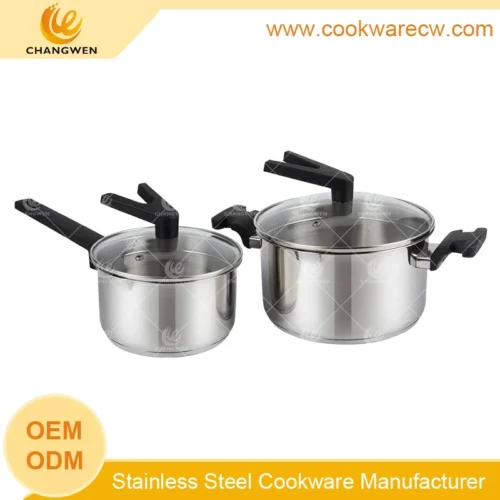
4-Piece Stainless Steel Pot Set with Glass Lids Stand Upright CW-ES0402G
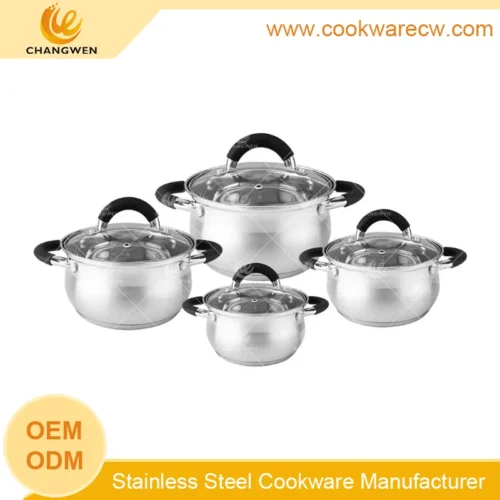
8-Piece Stainless Steel Pot Set with Black Silicone Handles CW-ES0810G
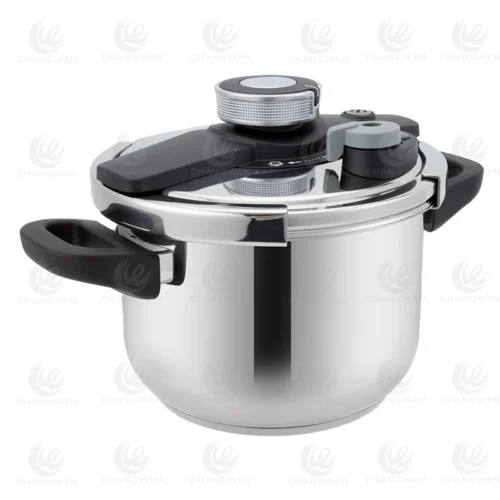
Large Pressure Cooker for Family Meals and Batch Cooking
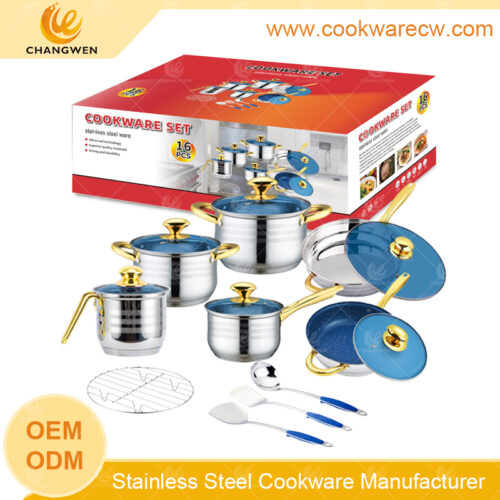
Heavy high quality stainless steel pots and pans 16pcs cookware set with gold plated nonstick fry pan steamer rack and slotted turner spatula ladle CW-M1601
Gold Hammered Stainless Steel Cookware for Luxury Kitchens CW-ETP0501
High quality pots wholsesale stainless steel pasta pot fry pan nonstick set saucepan casseroles with red silicone steamer rack heat insulation black mats CW-M1303G
Complete Stainless Steel Cookware Set for Home & Commercial Use CW-TP0901
Gold-Handle Hammered Stainless Steel Cookware Set CW-ETP0701