
Choosing the right stainless steel cookware can transform your cooking experience. Whether you’re a home chef perfecting family recipes or a restaurant owner sourcing commercial-grade equipment, understanding what makes quality stainless steel cookware is essential. This comprehensive guide walks you through everything you need to know—from material grades and construction types to maintenance tips and manufacturer selection.
Key Takeaways
- Material matters: Look for 304 or 316 grade stainless steel for optimal durability and rust resistance
- Construction is crucial: Tri-ply or multi-layer designs provide superior heat distribution compared to single-layer options
- Versatility wins: Quality stainless steel works on all stovetops including induction, gas, electric, and ceramic
- Safety first: Stainless steel contains no harmful chemical coatings like PFOA or PTFE found in some non-stick cookware
- Long-term investment: With proper care, stainless steel cookware can last 20+ years
- Easy maintenance: Most pieces are dishwasher safe and resist staining when cleaned properly
- Professional options available: OEM and wholesale solutions offer customization for businesses
What Is Stainless Steel Cookware?
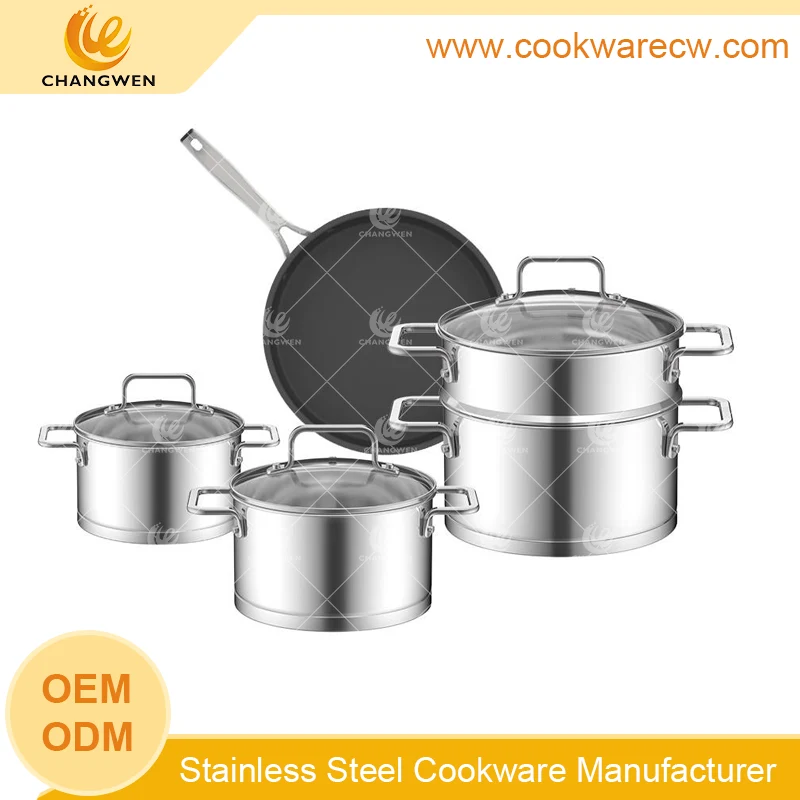
Stainless steel cookware refers to pots, pans, and other cooking vessels made primarily from stainless steel—an iron-based alloy containing chromium, nickel, and other metals. The chromium content (typically 18%) creates a protective layer that prevents rust and corrosion, while nickel (usually 8-10%) adds durability and a polished finish.
Stainless Steel vs. Other Cookware Materials
Stainless Steel vs. Aluminum: While aluminum heats quickly and costs less, it reacts with acidic foods and dents easily. Stainless steel offers better durability and doesn’t alter food flavors.
Stainless Steel vs. Copper: Copper provides excellent heat conductivity but requires frequent polishing and costs significantly more. Many manufacturers combine both materials for optimal performance.
Stainless Steel vs. Non-Stick Coatings: Non-stick surfaces make cooking and cleaning easier but deteriorate over time and have temperature limitations. Stainless steel lasts indefinitely and handles high heat without degrading.
Types of Stainless Steel Cookware
Stainless Steel Pots
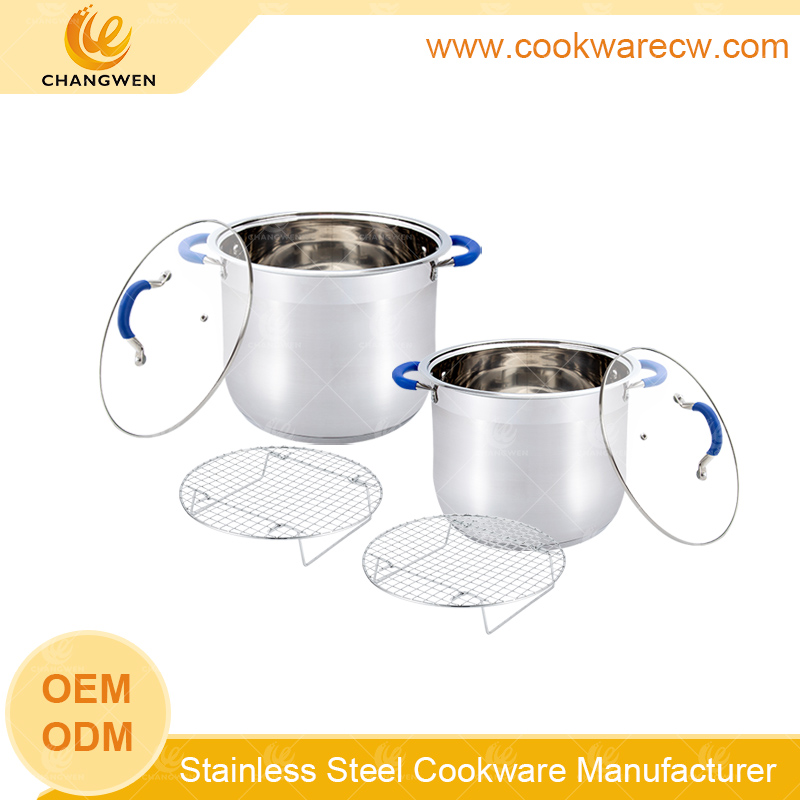
Stock Pots: Large-capacity pots (8-20 quarts) ideal for making soups, stocks, and boiling pasta. Look for tall sides and sturdy handles.
Saucepans: Smaller pots (1-4 quarts) with a single long handle, perfect for sauces, heating liquids, and cooking grains.
Stainless Steel Pans
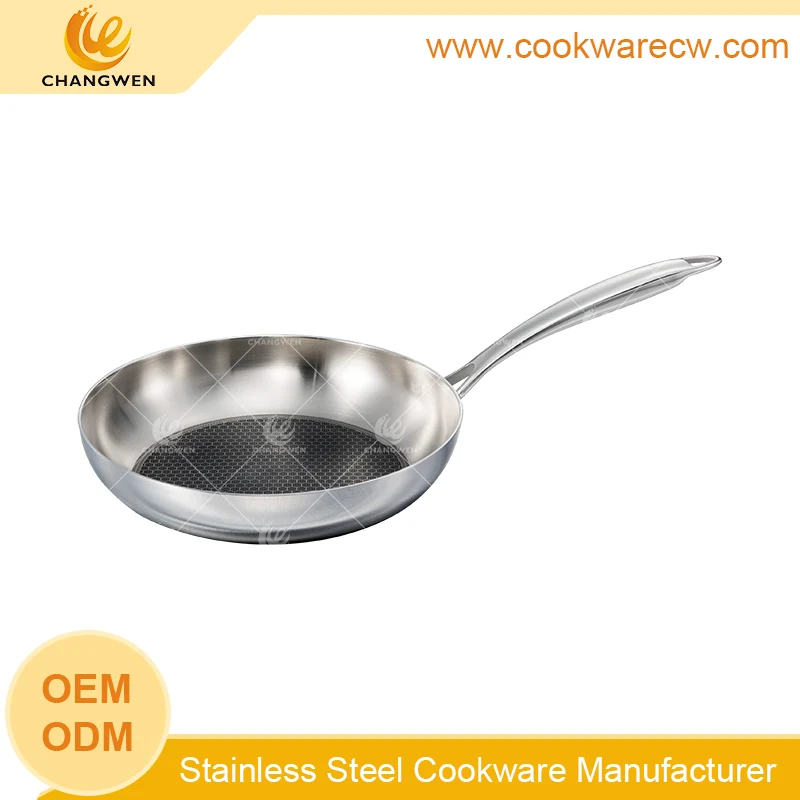
Frying Pans (Skillets): Flat-bottomed pans with sloped sides, available in sizes from 8 to 14 inches. Essential for searing, sautéing, and pan-frying.
Sauté Pans: Similar to frying pans but with straight sides and often a lid, providing more cooking surface and better moisture retention.
Griddles: Flat cooking surfaces ideal for pancakes, eggs, and grilled sandwiches.
Specialty Items

Steamers: Multi-tiered pots with perforated inserts for healthy steaming of vegetables and seafood.
Roasting Pans: Large, rectangular pans with high sides and a rack, designed for oven roasting meats and vegetables.
Why Choose Stainless Steel Cookware
Durability and Rust Resistance
The chromium in stainless steel forms an invisible protective layer that self-heals when scratched, providing exceptional resistance to rust, corrosion, and staining. Unlike coated cookware that degrades over time, stainless steel maintains its integrity for decades.
Even Heat Distribution
Quality tri-ply or multi-layer stainless steel cookware sandwiches aluminum or copper cores between stainless steel layers. This construction combines stainless steel’s durability with other metals’ superior heat conductivity, eliminating hot spots and ensuring consistent cooking results.
Food Safety and Hygiene
Stainless steel is non-reactive, meaning it won’t leach chemicals into your food or alter flavors—even when cooking acidic ingredients like tomatoes or citrus. The smooth, non-porous surface resists bacterial growth and is easy to sanitize.
Free from Harmful Chemical Coatings
Unlike some non-stick cookware, stainless steel contains no PFOA (perfluorooctanoic acid) or PTFE (polytetrafluoroethylene). These chemicals, found in traditional Teflon coatings, have raised health concerns when heated to high temperatures.
Compatible with All Cooktops
High-quality stainless steel cookware works seamlessly on gas, electric, ceramic, and induction stovetops. For induction compatibility, ensure the base contains magnetic stainless steel (usually 304 grade with a magnetic layer).
Easy to Clean and Dishwasher Safe
Stainless steel’s smooth surface releases food easily with proper preheating and doesn’t harbor bacteria in scratches or worn coating. Most pieces are dishwasher safe, though hand washing helps maintain the finish.
Long Service Life
With minimal care, stainless steel cookware can last a lifetime. Professional kitchens often use the same stainless steel pots and pans for 20-30 years without replacement.
Key Features to Look for When Buying
Material Grade (304 vs. 316 Stainless Steel)
304 Stainless Steel (18/8 or 18/10): Contains 18% chromium and 8-10% nickel. This is the most common grade for cookware, offering excellent corrosion resistance and durability for everyday cooking.
316 Stainless Steel: Contains additional molybdenum, providing superior resistance to salt corrosion. While more expensive, it’s ideal for coastal areas or professional kitchens with heavy use.
Multi-Layer or Tri-Ply Construction
Single-Layer: Basic stainless steel with poor heat distribution and hot spots. Avoid for serious cooking.
Tri-Ply (3-Layer): Stainless steel exterior, aluminum or copper core, stainless steel interior. Offers good heat distribution at reasonable prices.
5-Ply or 7-Ply: Additional layers provide superior heat retention and distribution but increase weight and cost. Best for professional use or serious home cooks.
Clad vs. Disc Bottom: Fully clad cookware has layers extending up the sides, while disc-bottom pieces only have layered bases. Fully clad provides better heat distribution but costs more.
Ergonomic Handles and Lids
Look for securely riveted handles that stay cool during stovetop cooking. Handles should be comfortable to grip and balanced when the pan is full. Glass lids allow you to monitor cooking without releasing heat and moisture.
Induction Compatibility
Check that the base contains magnetic stainless steel. A simple magnet test works—if a magnet sticks to the bottom, it’s induction-ready.
Dishwasher Safe Certification
While most stainless steel is dishwasher safe, confirm this feature, especially for pieces with wooden or plastic components.
Tips for Maintaining Stainless Steel Cookware
Proper Cleaning Techniques
Daily cleaning: Wash with warm water and mild dish soap using a soft sponge. For stuck-on food, soak in warm soapy water for 15-30 minutes before washing.
Removing discoloration: Mix baking soda with water to form a paste, apply to discolored areas, and scrub gently with a non-abrasive sponge.
Eliminating water spots: Dry immediately after washing with a microwave-safe cloth to prevent mineral deposits from hard water.
Deep cleaning: Use white vinegar diluted with water or specialized stainless steel cleaners for stubborn stains.
Avoid Metal Scrapers and Abrasive Tools
Use wooden, silicone, or heat-resistant plastic utensils to prevent scratching. While stainless steel is durable, metal utensils can leave marks that trap food particles.
Regular Drying to Prevent Water Stains
After washing, dry cookware immediately with a clean towel rather than air-drying. This prevents mineral deposits and maintains the polished finish.
Low and Slow Cooking for Extended Lifespan
Preheat pans on medium heat before adding oil or food. Excessive heat can cause discoloration and food sticking. Stainless steel retains heat efficiently, so lower temperatures often suffice.
Popular Cooking Scenarios in Home Kitchens
Cooking Family Breakfast
Stainless steel frying pans excel at cooking eggs, bacon, and pancakes. Preheat the pan properly and use adequate fat to prevent sticking. The non-reactive surface won’t affect delicate egg flavors.
Preparing Weeknight Dinners
From simmering tomato sauces to boiling pasta and stir-frying vegetables, stainless steel handles diverse cooking methods. Sauté pans with lids are particularly versatile for one-pan meals.
Baking and Steaming
Use stainless steel steamers for healthy vegetable preparations or perfectly steamed fish. Roasting pans create beautifully browned meats and caramelized vegetables in the oven.
Hosting Family Gatherings and Holiday Feasts
Large stock pots accommodate soups and stews for crowds, while roasting pans handle holiday turkeys. The professional appearance of polished stainless steel transitions seamlessly from oven to table.
OEM & Wholesale Stainless Steel Cookware Solutions
OEM and Private Label Options
Manufacturers offer private labeling services, allowing retailers and brands to sell cookware under their own name. This includes custom packaging, branding, and product specifications tailored to target markets.
Custom Sizes, Thickness, and Branding
Wholesale partners can customize pan dimensions, material thickness (gauge), handle styles, and surface finishes. The minimum order quantity is 800 pieces.
Bulk Production Capabilities
Our production capacity of 400,000 to 500,000 units per month ensures a stable supply for growing businesses and peak seasonal demand.
Stable Quality Control
Material testing, dimensional inspection, and performance testing are conducted throughout the entire production process. Third-party inspection services can also be provided.
Export Experience
Experienced export managers ensure smooth transportation and customs clearance.
Frequently Asked Questions
How to clean stainless steel cookware?
Wash with warm soapy water and a soft sponge after each use. For stuck-on food, make a paste with baking soda and water, apply it to the affected area, let it sit for 15 minutes, then scrub gently. For stubborn stains, boil a mixture of water and vinegar in the pan for a few minutes. Avoid chlorine bleach and abrasive scrubbers that can damage the surface. Dry immediately to prevent water spots.
How to use stainless steel cookware?
Preheat the pan over medium heat for 2-3 minutes before adding oil or butter. To test if it’s ready, sprinkle a few drops of water—if they form beads that roll around, the pan is properly preheated. Add fat, let it heat until it shimmers (but doesn’t smoke), then add food. Avoid moving food immediately; let it develop a crust that naturally releases from the surface.
How to use stainless steel cookware without sticking?
Proper preheating is crucial—cold pans cause sticking. Use adequate fat (oil or butter) and ensure food is at room temperature when possible. Don’t overcrowd the pan, which lowers temperature and creates steam. Allow proteins to develop a sear before attempting to flip—they’ll naturally release when ready. Deglaze the pan with wine or broth to incorporate flavorful fond into sauces.
Is stainless steel cookware nonstick?
Stainless steel is not inherently nonstick like Teflon-coated cookware. However, when used properly (preheated with adequate fat), it develops a temporary nonstick effect as proteins and starches form a barrier between food and metal. This requires more technique than chemical nonstick coatings but offers superior browning, higher heat tolerance, and longer lifespan.
Is stainless steel cookware safe?
Yes, stainless steel is one of the safest cookware materials. It’s non-reactive, meaning it won’t leach chemicals into food even when cooking acidic ingredients. Unlike some non-stick coatings, it contains no PFOA or PTFE. The small amounts of nickel and chromium that may transfer are generally considered safe, though people with severe nickel allergies should consult their doctor.
What to look for in stainless steel cookware (type of steel)?
Choose 304 (18/8 or 18/10) stainless steel for the cooking surface—this grade offers excellent corrosion resistance and durability. The numbers indicate chromium/nickel content: 18/10 means 18% chromium and 10% nickel. For the exterior, 304 or 430 grade works well. Look for tri-ply or multi-layer construction with an aluminum or copper core for even heating. Verify the base is magnetic for induction compatibility.
Can stainless steel cookware go in the oven?
Most stainless steel cookware is oven-safe up to 500-600°F (260-315°C), making it ideal for finishing dishes or cooking techniques that start on the stovetop and finish in the oven. Check manufacturer specifications, as temperature limits may vary based on handle materials—silicone or plastic components typically have lower heat thresholds than stainless steel or cast iron handles.
Is ceramic cookware better than stainless steel?
Both have advantages depending on needs. Ceramic offers easier nonstick performance initially and comes in attractive colors, but the coating degrades within 1-3 years and can’t handle metal utensils or high heat. Stainless steel lasts decades, handles high temperatures, works with any utensils, and develops better browning. For long-term value and versatility, stainless steel typically wins, though ceramic suits those prioritizing easy cleanup over longevity.
How long does stainless steel cookware last?
With proper care, quality stainless steel cookware can last 20-30 years or even a lifetime. Professional restaurant kitchens commonly use the same pots and pans for decades. The material doesn’t degrade, chip, or peel like coated cookware. Regular cleaning and avoiding extreme temperature shocks help maintain performance. Even heavily used pieces can often be restored to near-original condition with proper cleaning techniques.
What utensils to use with stainless steel cookware?
Stainless steel is durable enough for metal utensils, though wooden, silicone, or nylon tools help preserve the polished finish. Avoid sharp knives or cutting directly in pans. For everyday cooking, silicone spatulas and wooden spoons offer gentleness without scratching. In professional settings, metal utensils are standard. Unlike non-stick cookware, you won’t damage the cooking surface with typical metal tools, though you may create cosmetic scratches over time.
Conclusion
Investing in quality stainless steel cookware transforms your cooking experience through superior performance, safety, and longevity. By understanding material grades, construction methods, and proper usage techniques, you can select pieces that serve you for decades. Whether you’re outfitting a home kitchen or sourcing wholesale quantities for retail, prioritizing tri-ply construction, reputable manufacturers, and proper maintenance ensures maximum value from your investment. The versatility of stainless steel—from stovetop to oven, everyday meals to holiday feasts—makes it an essential foundation for any well-equipped kitchen.
-
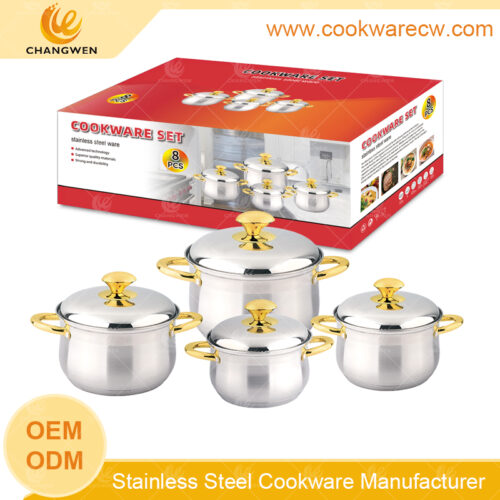
Stainless Steel Stock Pot 8 Qt/20l/30 Litre/60 Qt CW-M0802
-
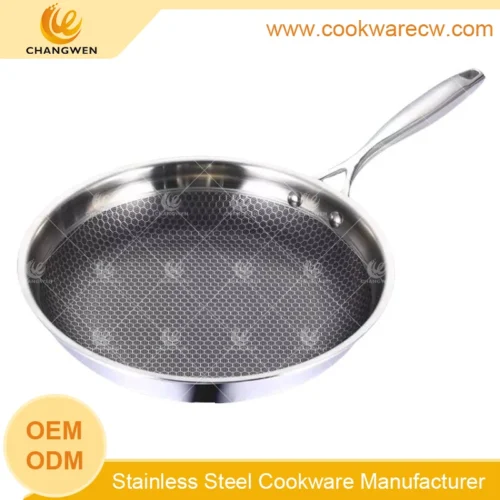
Honeycomb Stainless Steel Frying Pan for Even Cooking CW-TP011
-
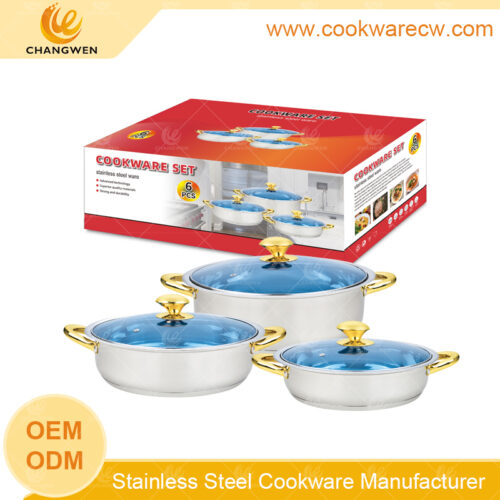
Stainless Steel Cook Pot Set CW-M0606
-
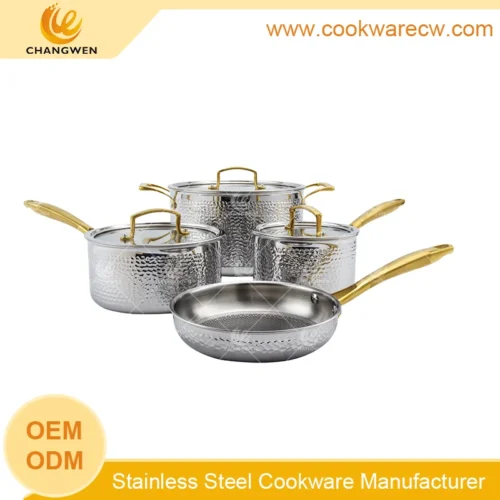
Gold-Handle Hammered Stainless Steel Cookware Set CW-ETP0701
-
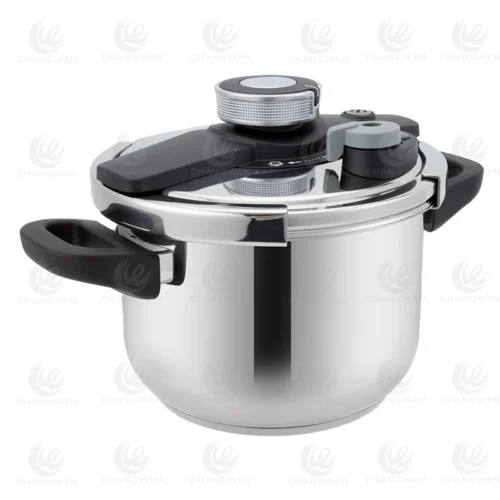
Large Pressure Cooker for Family Meals and Batch Cooking
-
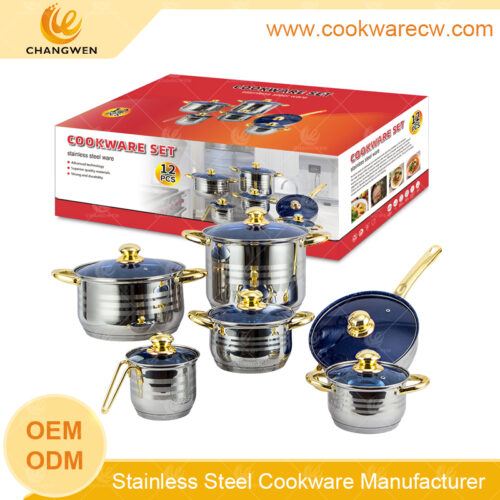
heavy S/S 12pcs cookware set pots wholesale nonstick fry pan blue glass lid golden handle cooking pan milk pot CW-M1222
-
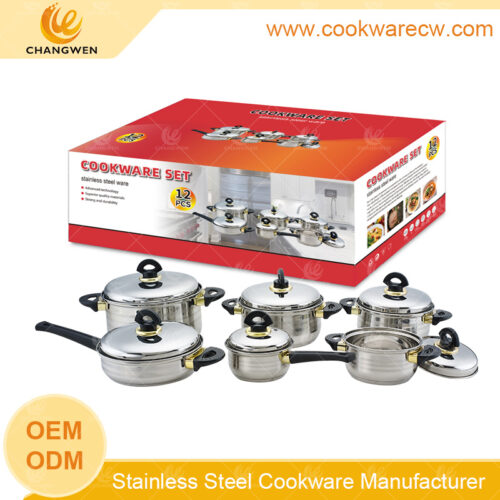
China cookware set 12pcs pots wholesale stainless steel lids black handle and knob frypan casserole saucepan CW-M1229B
-
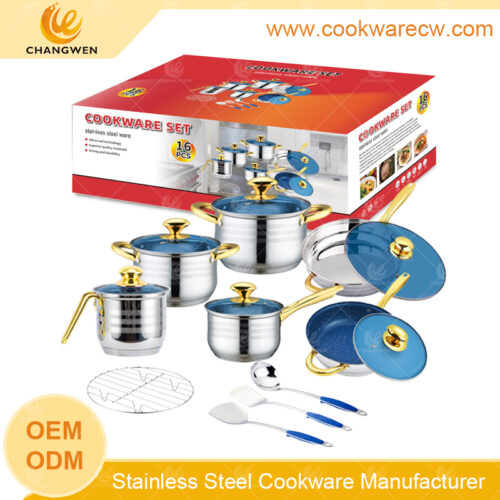
Heavy high quality stainless steel pots and pans 16pcs cookware set with gold plated nonstick fry pan steamer rack and slotted turner spatula ladle CW-M1601