
Introduction
Choosing the right cookware is one of the most important decisions you’ll make for your kitchen, affecting not only your cooking results but also your family’s health and safety. Two of the most popular options today are stainless steel and ceramic cookware, each with passionate advocates claiming superiority. If you’ve found yourself wondering “stainless steel vs ceramic cookware which is better?” or concerned about “stainless steel vs ceramic cookware toxic” issues, you’re not alone. This comprehensive guide will help you make an informed decision.
The debate between stainless steel vs ceramic cookware extends beyond simple cooking performance. Modern consumers are increasingly concerned about health implications, wondering “stainless steel vs ceramic cookware which is healthier?” and seeking truly non-toxic options. Safety considerations, durability, maintenance requirements, and cooking versatility all play crucial roles in determining which cookware material best suits your needs.
This in-depth comparison will examine every aspect of both materials, including detailed analysis of stainless steel vs ceramic cookware pros and cons, health and safety profiles, cooking performance, maintenance requirements, and long-term value. We’ll also expand the comparison to include aluminum vs stainless steel vs ceramic cookware, ceramic vs stainless steel vs cast iron cookware, and ceramic vs stainless steel vs nonstick cookware to give you the complete picture. Whether you’re replacing old cookware, setting up your first kitchen, or simply seeking healthier cooking options, this guide provides the expert insights you need.

Key Takeaways
- Health Winner: Stainless Steel – Completely inert and non-reactive, stainless steel is the healthiest long-term choice with zero toxic chemical concerns, while ceramic is non-toxic when new but may degrade over time
- Durability Champion: Stainless Steel – Quality stainless steel lasts 20-30+ years with proper care, significantly outlasting ceramic cookware which typically needs replacement every 2-5 years
- Ease of Use: Ceramic – Ceramic offers superior non-stick properties requiring less oil and easier cleanup, ideal for beginners, while stainless steel requires proper technique but offers better browning and searing
- Versatility Leader: Stainless Steel – Handles high heat (500°F+), metal utensils, dishwashers, and all cooking techniques, whereas ceramic has temperature limitations (usually 400-450°F) and requires gentle care
- Budget Considerations – Ceramic costs less upfront ($50-150) but requires frequent replacement; stainless steel costs more initially ($150-400+) but provides superior long-term value and performance
Understanding Stainless Steel Cookware
What is Stainless Steel Cookware?
Stainless steel cookware is made from an alloy of iron, chromium, and often nickel, creating a durable, non-reactive cooking surface. The most common type used in cookware is 18/10 stainless steel, meaning it contains 18% chromium and 10% nickel. This composition provides excellent corrosion resistance and maintains its appearance over decades of use.
Key Characteristics:
- Non-porous, smooth surface
- Naturally resistant to rust and corrosion
- Does not react with acidic or alkaline foods
- Can withstand extreme temperatures
- Compatible with all cooktop types including induction
Construction Types
Single-Layer Stainless Steel:
- Basic construction with stainless steel throughout
- Less expensive but prone to hot spots
- Uneven heat distribution
- Not recommended for serious cooking
Tri-Ply/3-Layer Construction:
- Stainless steel exterior and interior layers
- Aluminum or copper core for heat distribution
- Most popular configuration
- Excellent balance of performance and price
- Typical price range: $150-300
5-Ply/Multi-Layer Construction:
- Multiple alternating layers of stainless steel and conductive metals
- Superior heat distribution and retention
- Professional-grade performance
- Higher price point: $300-600+
- Best for serious home cooks and professionals
Stainless Steel Health and Safety Profile
When examining stainless steel vs ceramic cookware health concerns, stainless steel offers exceptional safety:
Health Advantages:
- Completely non-toxic and food-safe
- No chemical coatings that can break down
- Minimal metal leaching (negligible amounts)
- Safe for all foods including highly acidic dishes
- No risk of toxic fumes at any temperature
- Recommended by health professionals worldwide
Potential Concerns:
- People with severe nickel allergies may want nickel-free options (18/0 stainless steel)
- Minimal iron leaching can occur (actually beneficial for most people)
- Chromium leaching is negligible and within safe limits
Scientific Consensus: Stainless steel is universally recognized as one of the safest cookware materials available, with decades of research supporting its use.
Understanding Ceramic Cookware
What is Ceramic Cookware?
Ceramic cookware typically refers to metal cookware (usually aluminum) coated with a ceramic non-stick layer made from silicon dioxide (sand). True ceramic cookware made entirely from clay is rare and different from what most consumers purchase today.
Key Characteristics:
- Natural mineral-based coating
- Non-stick surface when new
- Free from PTFE (Teflon) and PFOA
- Often available in attractive colors
- Lighter weight than stainless steel
- Smooth, easy-to-clean surface
Types of Ceramic Cookware
Ceramic-Coated Cookware:
- Aluminum or steel base with ceramic coating
- Most common type in stores today
- Affordable and lightweight
- Non-stick properties deteriorate over time
- Price range: $50-150
Sol-Gel Ceramic:
- Advanced ceramic coating technology
- Better durability than standard ceramic
- More consistent performance
- Mid-range pricing: $100-200
100% Ceramic (Clay-Based):
- Traditional ceramic made entirely from clay
- Rarely found in mainstream stores
- Heavy and fragile
- Requires special care
- Excellent heat retention
Ceramic Cookware Health and Safety Profile
The ceramic vs stainless steel cookware health debate requires careful examination:
Health Advantages:
- No PTFE (Teflon) or PFOA chemicals
- No perfluorinated compounds (PFCs)
- Natural mineral-based coating
- Safe when properly manufactured
- Does not release toxic fumes under normal use
Potential Concerns:
- Coating can chip or crack over time, exposing aluminum base
- Some cheaper brands may contain heavy metals (lead, cadmium)
- Degraded coatings may leach unknown substances
- Manufacturing quality varies significantly between brands
- Limited long-term safety studies on degraded coatings
Important Considerations: When evaluating stainless steel vs ceramic cookware toxic concerns, always purchase ceramic cookware from reputable brands with third-party safety certifications (FDA approved, California Prop 65 compliant).
Stainless Steel vs Ceramic Cookware: Head-to-Head Comparison
Health and Safety: Which is Healthier?
Stainless Steel vs Ceramic Cookware Which is Healthier?
Winner: Stainless Steel
When examining stainless steel vs ceramic cookware safety and long-term health implications:
Stainless Steel Health Profile:
- ✅ Inert surface with no chemical breakdown
- ✅ No coating to deteriorate over time
- ✅ Decades of safety data supporting use
- ✅ Safe at any cooking temperature
- ✅ No release of harmful substances
- ✅ Minimal metal leaching within safe limits
- ⚠️ Minor concern for people with severe nickel allergies
Ceramic Cookware Health Profile:
- ✅ Non-toxic when new and from reputable brands
- ✅ Free from PTFE and PFOA chemicals
- ✅ Natural mineral-based coating
- ⚠️ Safety depends on manufacturing quality
- ⚠️ Potential heavy metal contamination in cheap brands
- ⚠️ Unknown health effects of degraded coatings
- ❌ Coating deterioration exposes base metal
- ❌ Limited long-term safety studies
Verdict: While both materials can be non-toxic, stainless steel offers superior long-term health safety due to its stable, inert surface that doesn’t degrade over time. For those concerned about stainless steel vs ceramic cookware non toxic options, quality stainless steel provides the most reliable safety profile.
Cooking Performance
Heat Distribution:
- Stainless Steel: Excellent (with aluminum or copper core), even heating, no hot spots in quality tri-ply or 5-ply construction
- Ceramic: Good, aluminum base distributes heat well, but coating may affect heat transfer over time
Temperature Tolerance:
- Stainless Steel: Exceptional, oven-safe to 500-600°F+, suitable for broiling and high-heat searing
- Ceramic: Limited, typically oven-safe only to 400-450°F, high heat can damage coating
Non-Stick Properties:
- Stainless Steel: Requires proper preheating and technique, naturally stick-resistant when used correctly, develops better performance over time
- Ceramic: Excellent non-stick when new, requires minimal oil, significantly degrades after 1-3 years of use
Browning and Searing:
- Stainless Steel: Outstanding, creates perfect fond for sauces, excellent Maillard reaction, professional results
- Ceramic: Poor to moderate, non-stick surface prevents proper browning, not ideal for searing meats
Versatility:
- Stainless Steel: Exceptional – works for all cooking techniques including deglazing, high-heat searing, braising, and delicate sauces
- Ceramic: Good for basic cooking, excellent for eggs and delicate fish, limited for high-heat techniques
Winner: Stainless Steel for overall cooking performance and versatility, though ceramic excels for specific low-heat, delicate cooking applications.
Durability and Longevity
Stainless Steel:
- Average lifespan: 20-30+ years
- Resistant to scratches and dents (in quality brands)
- Can use metal utensils safely
- No coating to wear off
- Maintains performance throughout lifetime
- Can be restored if stained or discolored
- Often has lifetime warranties
Ceramic:
- Average lifespan: 2-5 years
- Non-stick coating gradually deteriorates
- Requires gentle utensils (silicone, wood, plastic)
- Coating may chip or crack
- Performance degradation begins after 6-12 months
- Cannot be restored once coating degrades
- Limited warranties (typically 1-2 years)
Winner: Stainless Steel – Significantly longer lifespan and better durability make it the clear winner for long-term value.
Maintenance and Care
Stainless Steel:
- Cleaning: Moderate difficulty, requires proper technique to avoid water spots and discoloration
- Dishwasher Safe: Yes, fully dishwasher safe
- Daily Care: Can use Bar Keeper’s Friend for stubborn stains, can boil vinegar solution to remove discoloration
- Utensils: Any utensils including metal
- Storage: No special requirements
- Restoration: Can be polished and restored to like-new appearance
Ceramic:
- Cleaning: Easy when new, simple wipe-down sufficient
- Dishwasher Safe: Often yes, but hand washing recommended to extend coating life
- Daily Care: Requires gentle cleaning to preserve coating, avoid abrasive cleaners
- Utensils: Only silicone, wood, or plastic to prevent coating damage
- Storage: Requires protective padding to prevent chips
- Restoration: Cannot restore worn coating, must replace
Winner: Stainless Steel – Despite requiring more cleaning effort, stainless steel’s ability to be fully restored and lack of special care requirements make it easier to maintain long-term.
Cost and Value
Initial Investment:
- Stainless Steel: $150-600+ for quality sets
- Ceramic: $50-150 for typical sets
Long-Term Cost (10-Year Analysis):
- Stainless Steel: $150-600 (one-time investment, no replacements needed)
- Ceramic: $150-450 (replacing every 3 years = 3-4 sets over 10 years)
Cost Per Year:
- Stainless Steel: $15-60/year (based on 10+ year lifespan)
- Ceramic: $15-45/year (based on 3-year replacement cycle)
Winner: Stainless Steel – While ceramic appears cheaper initially, stainless steel provides better long-term value due to its exceptional longevity and one-time investment.
Stainless Steel vs Ceramic Cookware Pros and Cons
Stainless Steel Cookware
Pros: ✅ Exceptional durability (20-30+ years lifespan) ✅ Completely non-toxic and inert surface ✅ Superior heat tolerance (500-600°F+) ✅ Excellent for browning, searing, and deglazing ✅ Dishwasher safe and easy to restore ✅ Works with metal utensils ✅ Professional-grade cooking results ✅ Induction compatible (most models) ✅ Maintains performance throughout lifetime ✅ Best long-term value ✅ No coating to deteriorate ✅ Aesthetically timeless
Cons: ❌ Higher initial investment ($150-600+) ❌ Requires learning curve for non-stick cooking ❌ Food can stick if not properly preheated ❌ More effort required for cleaning ❌ Heavier than ceramic alternatives ❌ Can develop heat spots in lower-quality single-layer construction ❌ May show water spots or discoloration (cosmetic only, easily cleaned)
Ceramic Cookware
Pros: ✅ Affordable initial cost ($50-150) ✅ Excellent non-stick when new ✅ Easy cleanup and maintenance ✅ Lightweight and easy to handle ✅ Non-toxic when from reputable brands ✅ PTFE and PFOA-free ✅ Attractive colors and modern aesthetic ✅ Beginner-friendly ✅ Requires minimal cooking oil ✅ Good for low-heat, delicate cooking ✅ Quick heat-up time
Cons: ❌ Short lifespan (2-5 years) ❌ Non-stick properties deteriorate quickly ❌ Cannot handle high heat (limited to 400-450°F) ❌ Poor for browning and searing ❌ Coating can chip or crack ❌ Quality varies significantly between brands ❌ Requires gentle utensils only ❌ Cannot be restored once degraded ❌ Potential heavy metal concerns in cheap brands ❌ Higher long-term cost due to frequent replacement ❌ Performance inconsistent as coating ages
Expanded Comparisons: Including Aluminum, Cast Iron, and Non-Stick
Aluminum vs Stainless Steel vs Ceramic Cookware
Understanding how aluminum fits into the comparison:
| Feature | Aluminum | Stainless Steel | Ceramic |
|---|---|---|---|
| Heat Conductivity | Excellent (best) | Good (with core) | Good |
| Durability | Moderate (5-10 years) | Excellent (20-30+ years) | Poor (2-5 years) |
| Health Safety | Concerns with plain aluminum | Excellent | Good (when new) |
| Reactivity | Reactive (acidic foods) | Non-reactive | Non-reactive |
| Weight | Light | Medium-Heavy | Light-Medium |
| Price | Low ($30-100) | High ($150-600+) | Low-Medium ($50-150) |
| Maintenance | Moderate | Moderate | Easy |
| Non-Stick | Requires coating | Requires technique | Excellent (when new) |
Aluminum Considerations:
- Plain aluminum can leach into food (health concern)
- Anodized aluminum is safer but still reactive with some foods
- Excellent heat conductor, often used as core in stainless steel
- Lightweight and affordable
- Best when used as internal layer in multi-ply construction
Verdict: Stainless steel with aluminum core combines best of both worlds—aluminum’s heat conductivity with stainless steel’s safety and durability.
Ceramic vs Stainless Steel vs Cast Iron Cookware
Adding cast iron to the comparison:
| Feature | Cast Iron | Stainless Steel | Ceramic |
|---|---|---|---|
| Durability | Lifetime (generations) | Excellent (20-30+ years) | Poor (2-5 years) |
| Health Safety | Excellent (adds iron) | Excellent | Good (when new) |
| Weight | Very Heavy | Medium-Heavy | Light-Medium |
| Heat Retention | Excellent | Good | Moderate |
| Versatility | High (oven/campfire) | High (all methods) | Limited |
| Non-Stick | Excellent (when seasoned) | Requires technique | Excellent (when new) |
| Maintenance | High (seasoning required) | Moderate | Low |
| Price | Low-Medium ($30-200) | High ($150-600+) | Low-Medium ($50-150) |
| Dishwasher Safe | No | Yes | Often Yes |
Cast Iron Considerations:
- Exceptional heat retention for even cooking
- Naturally non-stick when properly seasoned
- Adds dietary iron to foods
- Requires seasoning maintenance
- Heavy and slow to heat
- Can rust if not properly maintained
- Cannot use with acidic foods until well-seasoned
Best Use Cases:
- Cast Iron: Searing steaks, cornbread, campfire cooking, rustic dishes
- Stainless Steel: Versatile everyday cooking, sauces, deglazing, professional results
- Ceramic: Quick weeknight meals, eggs, delicate fish, easy cleanup
Ceramic vs Stainless Steel vs Nonstick Cookware
Comparing all major non-stick options:
| Feature | Traditional Non-Stick (PTFE) | Ceramic | Stainless Steel |
|---|---|---|---|
| Non-Stick Performance | Excellent (best) | Excellent (when new) | Requires technique |
| Coating Lifespan | 3-7 years | 2-5 years | N/A (no coating) |
| Health Concerns | PFOA concerns (older models) | Generally safe | Completely safe |
| Heat Tolerance | 350-400°F | 400-450°F | 500-600°F+ |
| Metal Utensils | No | No | Yes |
| Durability | Moderate | Poor | Excellent |
| Dishwasher Safe | Often yes | Often yes | Yes |
| Price | $80-250 | $50-150 | $150-600+ |
Traditional Non-Stick (PTFE/Teflon) Considerations:
- Best non-stick performance when new
- Modern versions are PFOA-free
- Still contains PTFE which some prefer to avoid
- Cannot handle high heat
- Coating deteriorates over time
- Concerns about fumes if overheated (toxic to birds)
Recommendation for Health-Conscious Consumers: If choosing between ceramic vs stainless steel vs nonstick cookware based on health concerns, stainless steel offers the safest long-term option, followed by quality ceramic, with traditional PTFE non-stick being the least preferred for health-conscious cooking.
Ceramic vs Stainless Steel Frying Pan: Specific Comparison
For frying pans specifically, the most frequently used cookware piece:
Best for Eggs and Delicate Foods:
- Winner: Ceramic – Superior non-stick when new, requires minimal oil, easy flip and release
Best for Searing and Browning:
- Winner: Stainless Steel – Creates perfect crust on meats, develops fond for sauces, professional results
Best Long-Term Investment:
- Winner: Stainless Steel – Lasts decades vs. 2-5 years for ceramic
Best for Beginners:
- Winner: Ceramic – Forgiving surface, easy to use, quick cleanup
Best for Versatility:
- Winner: Stainless Steel – Handles all cooking techniques, high heat, oven finishing
Recommendation: Serious cooks should invest in stainless steel frying pans for versatility and longevity, while keeping one ceramic pan specifically for eggs and delicate foods.
Making Your Decision: Which Should You Choose?
Choose Stainless Steel Cookware If:
✓ You want the healthiest, safest long-term option ✓ You’re willing to invest in quality cookware that lasts decades ✓ You enjoy cooking and want professional-grade results ✓ You frequently use high-heat cooking techniques (searing, browning) ✓ You want versatile cookware for all cooking methods ✓ You have nickel allergies and can choose 18/0 options ✓ You want dishwasher-safe, low-maintenance cookware ✓ You’re serious about cooking and developing technique ✓ You want to create restaurant-quality sauces with fond ✓ You prioritize durability and one-time investment ✓ You have induction cooktop (most stainless steel works)
Recommended For:
- Serious home cooks and food enthusiasts
- Health-conscious consumers prioritizing long-term safety
- Anyone wanting professional cooking results
- People who enjoy learning cooking techniques
- Those willing to invest more upfront for lifetime value
Choose Ceramic Cookware If:
✓ You want affordable, beginner-friendly cookware ✓ You primarily cook at low to medium heat ✓ You prefer easy, quick cleanup ✓ You mostly cook eggs, pancakes, and delicate foods ✓ You’re okay replacing cookware every 2-5 years ✓ You want lightweight, easy-to-handle pans ✓ You prefer non-stick cooking with minimal oil ✓ You like colorful, attractive cookware ✓ You’re a casual cook with basic needs ✓ You want PTFE/PFOA-free non-stick ✓ You’re setting up a first kitchen on a budget
Recommended For:
- Beginning cooks and college students
- Casual cooks who value convenience
- Those on a tight initial budget
- People who primarily cook simple, delicate foods
- Anyone wanting easy-cleanup cookware
- Renters who may move frequently
The Hybrid Approach: Best of Both Worlds
Many experienced cooks choose a strategic combination:
Core Stainless Steel Collection:
- 10-12″ stainless steel frying pan (everyday cooking, searing)
- 3-4 quart stainless steel saucepan (sauces, grains)
- Large stainless steel stockpot (soups, pasta)
Supplementary Ceramic Pieces:
- 8-10″ ceramic frying pan (eggs, pancakes, delicate fish)
- Small ceramic saucepan (reheating, small portions)
Additional Cast Iron (Optional):
- 10-12″ cast iron skillet (cornbread, steaks, rustic dishes)
This approach provides versatility, longevity, and specialized tools for specific cooking tasks while maximizing both convenience and performance.
Buying Guide: What to Look For
When Buying Stainless Steel Cookware
Essential Features:
- Construction: Look for tri-ply (3-layer) minimum, 5-ply for premium performance
- Core Material: Aluminum or copper core for even heat distribution
- Grade: 18/10 stainless steel standard, or 18/0 for nickel-free options
- Weight: Quality pans have substantial weight (not too light)
- Handles: Riveted or welded handles, stay-cool design
- Induction Base: Flat, magnetic bottom for induction compatibility
- Oven-Safe: Minimum 400°F, preferably 500°F+
Price Expectations:
- Budget: $150-250 for basic set
- Mid-Range: $250-400 for quality tri-ply set
- Premium: $400-800+ for 5-ply or specialty brands
Red Flags:
- Single-layer construction (no core)
- Extremely lightweight
- Plastic components where metal should be
- No clear grade designation
- Suspiciously low prices for “premium” brands
When Buying Ceramic Cookware
Essential Features:
- Certifications: FDA approved, Prop 65 compliant, PFOA/PTFE-free certification
- Base Material: Heavy-gauge aluminum for heat distribution
- Coating Thickness: Thicker coatings last longer
- Handle Quality: Secure attachment, heat-resistant
- Oven-Safe Rating: At least 350°F, preferably 400°F+
- Brand Reputation: Stick with known brands
Price Expectations:
- Budget: $50-80 for basic set
- Mid-Range: $80-150 for quality brand
- Premium: $150-250 for specialty ceramic
Red Flags:
- Unknown brands from questionable sellers
- No safety certifications listed
- Extremely cheap pricing (under $30 for sets)
- No information about base material
- Claims of “lifetime” durability (unrealistic for ceramic)
- Heavy metal testing not disclosed
Frequently Asked Questions (FAQ)
Is stainless steel or ceramic cookware healthier?
Stainless steel cookware is healthier for long-term use. While both materials are non-toxic when new and from reputable brands, stainless steel maintains its safety profile indefinitely because it’s completely inert and doesn’t degrade over time. Stainless steel contains no coatings that can break down, chip, or potentially leach unknown substances into food. Quality stainless steel (18/10 grade) is universally recognized by health professionals as one of the safest cookware materials available. Ceramic cookware is non-toxic when new and properly manufactured, but its coating deteriorates within 2-5 years, and the health implications of degraded ceramic coatings haven’t been extensively studied. Additionally, some lower-quality ceramic cookware has been found to contain trace amounts of heavy metals like lead and cadmium. For the healthiest option with proven long-term safety, stainless steel is the clear winner.
Which is better for cooking: stainless steel or ceramic?
Stainless steel is better for overall cooking performance and versatility, while ceramic excels for specific tasks. Stainless steel handles high heat (500°F+), creates excellent browning and fond for sauces, works with all utensils including metal, maintains consistent performance throughout its lifetime, and allows for all cooking techniques including deglazing and high-heat searing. Ceramic offers superior non-stick properties when new, requires less oil, and makes cooking delicate foods like eggs and fish easier, but it can’t handle high heat (limited to 400-450°F), doesn’t brown food well, requires gentle utensils, and loses performance after 1-3 years. For serious cooks who value versatility and restaurant-quality results, stainless steel is clearly superior. For casual cooks who prioritize convenience and easy cleanup, ceramic may be preferable despite its limitations.
Does stainless steel or ceramic cookware last longer?
Stainless steel cookware lasts dramatically longer than ceramic. Quality stainless steel cookware typically lasts 20-30+ years with proper care, and many pieces can last a lifetime or even be passed down through generations. The surface doesn’t degrade, and any cosmetic issues can be restored to like-new appearance with proper cleaning. Ceramic cookware, in contrast, has an average lifespan of only 2-5 years, with non-stick performance beginning to deteriorate after just 6-12 months of regular use. The ceramic coating gradually wears away and cannot be restored once degraded, requiring complete replacement. Over a 20-year period, you would purchase one set of stainless steel cookware versus 4-10 sets of ceramic cookware, making stainless steel far more cost-effective despite its higher initial price.
Are there any toxic concerns with stainless steel or ceramic cookware?
Both materials have minimal toxic concerns when purchased from reputable brands, but stainless steel is safer long-term. Stainless steel is completely non-toxic and chemically inert—it doesn’t react with food, release chemicals, or break down under normal cooking conditions. The only minor concern is for people with severe nickel allergies, who can choose nickel-free 18/0 stainless steel options. Ceramic cookware is non-toxic when new and from quality manufacturers, containing no PTFE (Teflon), PFOA, or other perfluorinated compounds. However, cheaper ceramic cookware has sometimes been found to contain heavy metals like lead and cadmium. Additionally, as ceramic coatings degrade over time, the health implications aren’t fully understood. Always purchase ceramic cookware from reputable brands with proper safety certifications (FDA approved, California Prop 65 compliant). For guaranteed non-toxic cookware throughout its entire lifespan, stainless steel is the safer choice.
Can I use metal utensils with stainless steel and ceramic cookware?
You can safely use metal utensils with stainless steel cookware, but you should never use them with ceramic cookware. Stainless steel’s hard, durable surface can withstand metal spatulas, whisks, and spoons without damage or scratching. In fact, metal utensils are often preferred for stainless steel as they can help scrape up the fond (browned bits) that create flavorful sauces. Ceramic cookware, however, has a delicate coating that will scratch, chip, or wear away if you use metal utensils. Always use silicone, wood, or plastic utensils with ceramic cookware to preserve the non-stick coating and extend its lifespan. Using metal utensils on ceramic cookware will quickly degrade the non-stick properties and may expose the aluminum base underneath, compromising both performance and safety.
Is stainless steel or ceramic better for high-heat cooking?
Stainless steel is significantly better for high-heat cooking. Quality stainless steel cookware can safely handle temperatures of 500-600°F or higher, making it ideal for searing steaks, achieving perfect browning, high-heat stir-frying, and oven finishing at broiler temperatures. Stainless steel’s heat tolerance allows you to preheat pans until very hot for restaurant-quality results and to transfer pans directly from stovetop to oven for finishing dishes. Ceramic cookware, in contrast, typically has an oven-safe limit of only 400-450°F, and high heat can permanently damage the ceramic coating, causing it to release its non-stick properties and potentially break down. Using ceramic cookware at temperatures exceeding manufacturer recommendations can also cause discoloration, warping, and accelerated coating deterioration. For any cooking technique requiring high heat—searing, blackening, or high-temperature roasting—stainless steel is the only safe and effective choice.
Which is easier to clean: stainless steel or ceramic?
Ceramic cookware is easier to clean when new, but stainless steel is easier to maintain long-term. New ceramic cookware offers effortless cleanup—usually just a quick wipe with a sponge is sufficient due to its excellent non-stick properties. However, as the coating ages and loses its non-stick qualities, ceramic becomes progressively harder to clean, and you cannot use abrasive cleaners or scrubbers without further damaging the coating. Stainless steel requires more effort initially, especially if food sticks, but it’s extremely forgiving: you can use abrasive cleaners like Bar Keeper’s Friend, steel wool for stubborn stains, and boil vinegar solutions for discoloration. Stainless steel can be completely restored to like-new appearance no matter how stained or discolored. Both materials are typically dishwasher safe (though hand washing extends life), but stainless steel’s ability to withstand any cleaning method without damage makes it easier to maintain over its long lifespan.
How do aluminum, stainless steel, and ceramic cookware compare?
Each material serves different purposes with distinct advantages. Aluminum excels at heat conductivity (the best of the three) and is lightweight and affordable ($30-100), but plain aluminum can leach into food (health concern), reacts with acidic foods, and typically requires coating for non-stick properties. Anodized aluminum is safer but still reactive. Stainless steel offers exceptional durability (20-30+ years), is completely non-toxic and non-reactive, handles high heat (500°F+), works with all utensils, and provides professional cooking results, though it costs more upfront ($150-600+) and requires technique for non-stick cooking. Ceramic provides excellent non-stick when new, is PTFE/PFOA-free, lightweight, and affordable ($50-150), but lasts only 2-5 years, can’t handle high heat (limited to 400-450°F), requires gentle care, and quality varies significantly. The best approach combines materials: stainless steel with aluminum core provides aluminum’s conductivity with stainless steel’s safety and durability, while keeping a ceramic pan specifically for eggs and delicate foods.
Should I choose ceramic or stainless steel for my frying pan?
For most cooks, stainless steel is the better choice for a primary frying pan, with ceramic as an optional specialty addition. A stainless steel frying pan serves as a versatile workhorse that handles all cooking techniques—searing steaks, sautéing vegetables, making pan sauces, oven finishing—and lasts 20-30+ years. It creates superior browning and develops fond for restaurant-quality sauces. However, stainless steel requires proper preheating and technique to prevent sticking, which some cooks find challenging initially. A ceramic frying pan excels specifically at cooking eggs, pancakes, and delicate fish with minimal oil and easy cleanup, making it ideal for breakfast foods and gentle cooking. The optimal solution for many households is a 10-12″ stainless steel frying pan as the primary pan for most cooking, plus an 8-10″ ceramic pan dedicated to eggs and breakfast items. This combination provides versatility, longevity, and convenience.
Are there safer alternatives to both stainless steel and ceramic cookware?
Stainless steel and ceramic are already among the safest cookware options available, but cast iron is another excellent non-toxic alternative. Cast iron is completely natural, contains no coatings or chemicals, is naturally non-stick when properly seasoned, and actually adds beneficial dietary iron to food. It lasts generations with proper care and can withstand any cooking temperature including campfires. However, cast iron is very heavy, requires seasoning maintenance, can rust if not properly cared for, and isn’t suitable for acidic foods until well-seasoned. For health-conscious consumers seeking the absolute safest cookware, the best options in order are: (1) 18/10 or 18/0 stainless steel for complete versatility and proven safety, (2) properly seasoned cast iron for traditional cooking and natural non-stick, (3) quality ceramic from certified brands for non-stick convenience without PTFE/PFOA. Avoid: traditional Teflon (PTFE) non-stick, aluminum without anodization or coating, and any cookware from unknown manufacturers without safety certifications.
Conclusion
After comprehensive analysis of stainless steel vs ceramic cookware across health, safety, performance, durability, and value considerations, stainless steel emerges as the superior choice for most serious home cooks and anyone prioritizing long-term health and quality. While ceramic cookware offers undeniable convenience with its excellent non-stick properties and affordable entry price, these benefits are short-lived, typically lasting only 2-5 years before replacement becomes necessary.
When considering stainless steel vs ceramic cookware which is healthier, the answer is unequivocally stainless steel. Its completely inert, non-reactive surface poses zero health risks throughout its lifetime, whereas ceramic coatings inevitably degrade, with unknown long-term health implications. For those concerned about stainless steel vs ceramic cookware toxic issues, quality stainless steel eliminates all concerns about chemical leaching, coating deterioration, or heavy metal contamination that can affect some ceramic products.
Examining stainless steel vs ceramic cookware pros and cons reveals that stainless steel’s advantages—exceptional 20-30+ year durability, superior heat tolerance (500-600°F+), professional-grade cooking performance, complete non-toxicity, and ability to use metal utensils—far outweigh its learning curve and higher initial cost. Ceramic’s pros of easy non-stick cooking and lower upfront price are overshadowed by rapid performance degradation, temperature limitations, and the need for frequent replacement.
The expanded comparison of aluminum vs stainless steel vs ceramic cookware, ceramic vs stainless steel vs cast iron cookware, and ceramic vs stainless steel vs nonstick cookware further demonstrates that stainless steel with an aluminum or copper core offers the optimal combination of safety, performance, and longevity for the majority of cooking applications.
For those still deciding between stainless steel vs ceramic cookware which is better for their specific situation, consider this: if you’re a serious cook who values versatility, professional results, and lifetime value, invest in quality stainless steel. If you’re a casual cook on a tight budget who primarily prepares simple, delicate foods, ceramic may serve your immediate needs. However, even budget-conscious consumers should recognize that stainless steel’s superior longevity makes it more cost-effective over time.
The ideal approach for many households combines the best of both worlds: a core collection of stainless steel cookware for versatile, everyday cooking and high-heat techniques, supplemented by one or two ceramic pieces specifically for eggs, pancakes, and delicate fish. This strategy maximizes both performance and convenience while ensuring you have safe, reliable cookware that will serve you well for decades.
Whether you choose stainless steel for its unmatched health safety profile, ceramic for its beginner-friendly non-stick convenience, or a strategic combination of both, understanding the stainless steel vs ceramic cookware safety considerations and performance characteristics empowers you to make an informed decision that aligns with your cooking style, health priorities, and budget. For the safest, most durable, and most versatile cookware that will serve you faithfully for 20-30+ years or more, quality stainless steel cookware remains the gold standard in modern kitchens.
-
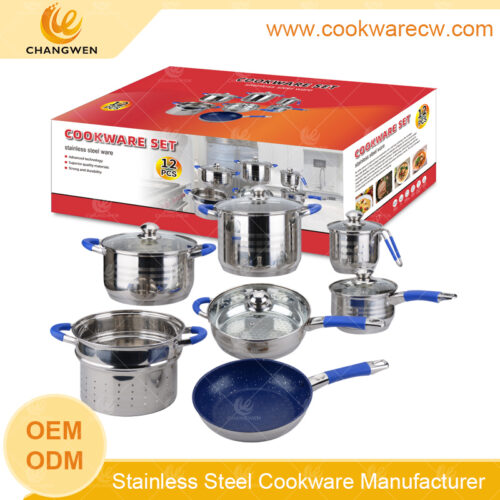
12pcs stainless steel cooking pots & pans set with color silicon handles coating conic frypan 24cm pasta pot in China CW-M1311
-
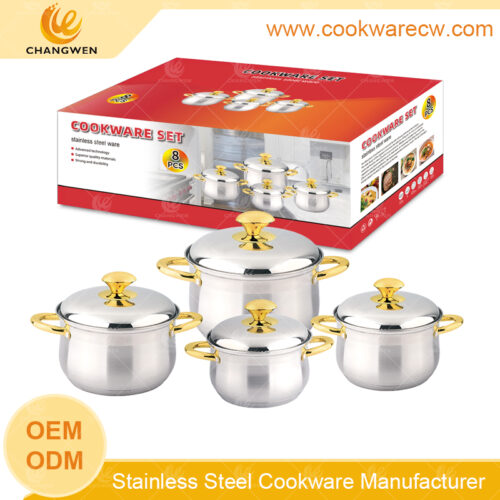
Stainless Steel Stock Pot 8 Qt/20l/30 Litre/60 Qt CW-M0802
-
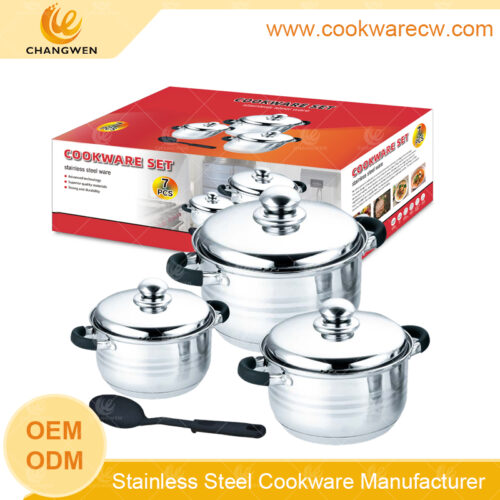
Mercado Libre hotsale cookware 7pcs cooking pot set stainless steel lids silicone handle kitchen tool solid serving spoon CW-M0702G
-
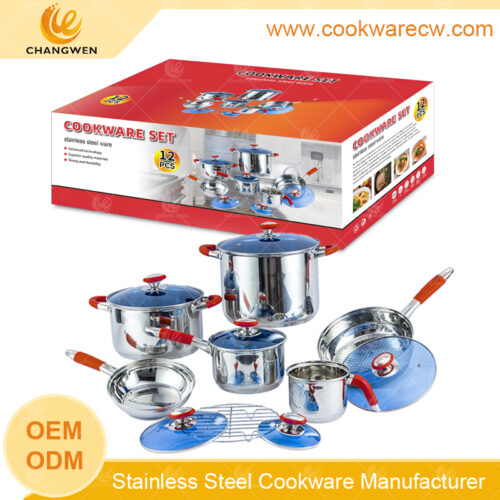
Hotsale 12pcs stainless steel cooking set popular pots and pans kitchen soup stock pot with red silicone steamer rack China factory customized color box CW-M1306G-03
-
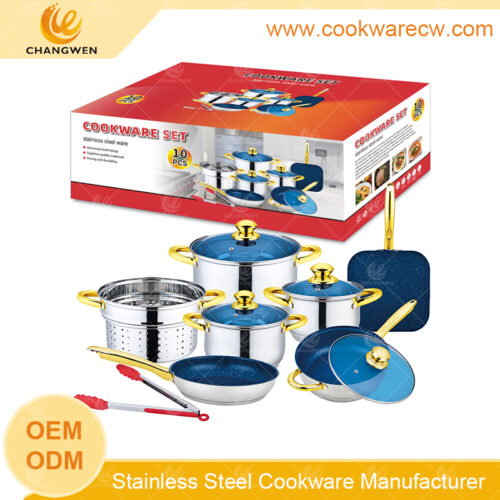
Stainless steel cookware set nonstick pans and pots casserole pot frying pan steamer with glass blue lid and a kitchenware clip CW-M1203
-
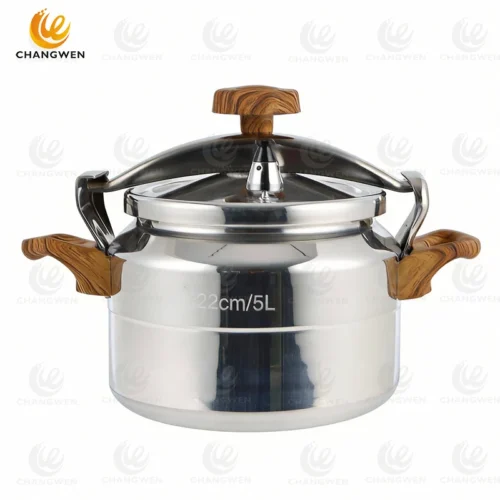
Pressure Cooker Stainless Steel for Healthy Cooking
-
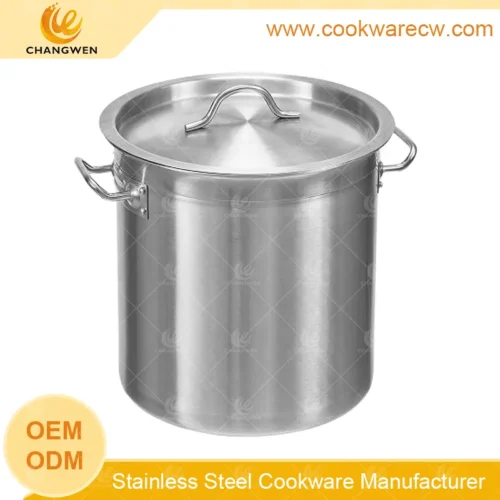
Wholesale Soup Pots CW-SP001
-
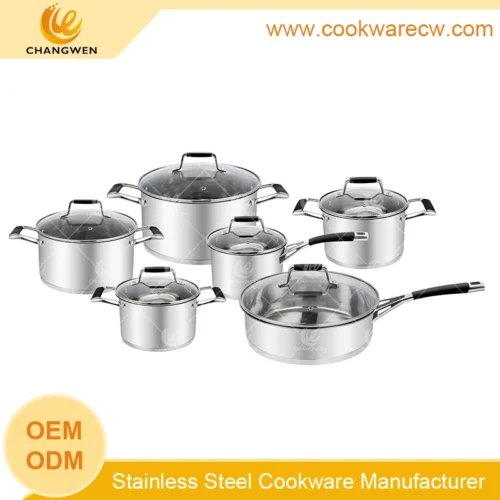
Premium 12-Piece Stainless Steel Cookware with Black Handles CW-ES1204G