
Introduction
Whether you are boiling water in a saucepan to cook pasta or heating up drinking water on the stove, stainless steel is likely the cookware you reach for first. It is durable, widely available, and looks great on any kitchen counter. But a question that comes up again and again is: is it actually safe to boil water in stainless steel?
The short answer is yes — for the vast majority of people and use cases, stainless steel is one of the safest materials you can use to heat water. However, the full picture involves understanding how different grades of stainless steel behave, whether stainless steel leaches into boiling water, and how stainless steel compares to materials like aluminum, glass, and cast iron.
In this comprehensive guide, we will cover everything you need to know — from the safety of 304 stainless steel for boiling water, to whether you can safely boil water in a stainless steel water bottle, to the best way to use boiling water in a stainless steel pan to clean it. We will also answer common questions like does water take longer to boil in stainless steel and what material is best for boiling water.

Key Takeaways
- Boiling water in food-grade stainless steel (such as 304 or 316) is safe for everyday use.
- Stainless steel leaches negligible amounts of metals into boiling water — well within safety limits set by the WHO and FDA.
- 304 stainless steel (18/8) is the most common and recommended grade for cookware and water bottles.
- Stainless steel is generally safer than aluminum for boiling water, especially over prolonged or daily use.
- You can boil water in a stainless steel saucepan, stock pot, or even a water bottle (if it is designed for heating) without concern.
- Boiling water in a stainless steel pan is an effective and chemical-free method to clean stuck-on food residue.
- Water does not take significantly longer to boil in stainless steel compared to other common cookware materials.
What Is Stainless Steel Made Of?
Before diving into safety, it helps to understand what stainless steel actually is. Stainless steel is an alloy — a blend of metals — composed primarily of iron, with at least 10.5% chromium. Many kitchen-grade stainless steels also contain nickel and molybdenum.
The chromium is what gives stainless steel its “stainless” quality. It reacts with oxygen to form an invisible, self-repairing layer of chromium oxide on the surface. This passive layer protects the metal from rust, corrosion, and significant chemical reactions with food and water.
The most common grades used in cookware are:
- 304 stainless steel (18/8):Contains 18% chromium and 8% nickel. This is the most widely used grade in kitchen cookware, utensils, and water bottles.
- 316 stainless steel (18/10):Contains 18% chromium, 10% nickel, and 2–3% molybdenum. It offers superior corrosion resistance and is often used in marine and medical environments.
- 430 stainless steel:Contains chromium but no nickel. Less corrosion-resistant, sometimes used in lower-cost cookware exteriors.
Is It Safe to Boil Water in Stainless Steel?
Yes. Boiling water in stainless steel is considered safe by food safety authorities worldwide. The chromium oxide layer on the surface of stainless steel acts as a highly effective barrier between the metal alloy and the water. At the temperature of boiling water (100°C / 212°F), this protective layer remains fully intact and stable.
Major health organizations, including the U.S. Food and Drug Administration (FDA) and the European Food Safety Authority (EFSA), recognize food-grade stainless steel as a safe material for contact with food and beverages. It does not release harmful chemicals like BPA, phthalates, or PFOA — substances that have raised concerns with some plastic and non-stick cookware.
For everyday tasks like making tea, preparing coffee, cooking noodles, or boiling water in a saucepan for blanching vegetables, stainless steel is an excellent and safe choice.
Does Stainless Steel Leach into Boiling Water?
This is one of the most frequently asked questions, and the honest answer is: yes, but in extremely small amounts that are considered safe.
Scientific studies have found that stainless steel cookware can release trace quantities of chromium, nickel, and iron into boiling water. However, the amounts are far below the tolerable daily intake levels established by health authorities. For example, research published in the Journal of Agricultural and Food Chemistry found that new stainless steel pots released slightly higher amounts of metals during the first few uses, but these levels dropped significantly after repeated use and stabilized well below safety thresholds.
Several factors influence how much metal might leach:
- Acidity of the liquid:Acidic foods (tomato sauce, vinegar, citrus) cause more leaching than plain water.
- Duration of contact:Leaving acidic food in the pot overnight causes more leaching than a quick boil.
- Quality of the steel:Higher-grade stainless steel (304 or 316) leaches less than cheaper, ungraded alloys.
- Condition of the surface:Scratched or damaged cookware may leach more than cookware in good condition.
When you are simply boiling water in a saucepan — with no acidic ingredients involved — the amount of metal transfer is negligible.
Is 304 Stainless Steel Safe for Boiling Water?
Absolutely. 304 stainless steel, also known as 18/8 stainless steel, is the gold standard for kitchen cookware and food-contact applications. It is the most commonly used grade in pots, pans, water bottles, food storage containers, and commercial kitchen equipment worldwide.
The 18% chromium content provides excellent corrosion resistance, while the 8% nickel improves the overall durability and formability of the alloy. The chromium oxide layer that forms on 304 stainless steel is robust enough to withstand repeated boiling cycles without degrading.
Is 304 stainless steel safe for boiling water? Yes — it is FDA-approved for food contact, resistant to corrosion from plain water, and does not impart any taste or odor to the water. If you see “18/8” or “304” stamped on the bottom of your pot or water bottle, you can confidently use it for boiling water.
Boiling Water in a Saucepan: Best Practices
A stainless steel saucepan is one of the most versatile tools in your kitchen. Whether you need to boil water in a medium saucepan for oatmeal or you are boiling water in a saucepan to prepare stock, following a few simple practices will give you the best results.
Step-by-Step: How to Boil Water in a Stainless Steel Saucepan
- Choose the right size:Use a saucepan that is appropriately sized for the volume of water. A medium saucepan (2–3 quarts) is ideal for most everyday tasks. Avoid filling the pan more than two-thirds full to prevent boiling over.
- Start with cold water:Fill the saucepan with cold tap water. Cold water from the tap is generally safer than hot water from the tap, which can contain higher levels of dissolved metals from your plumbing.
- Cover with a lid:Placing a lid on the saucepan traps heat and helps water reach a boil faster, saving both time and energy.
- Use medium-high heat:Place the saucepan on the burner and set it to medium-high heat. There is no need to use the highest setting — a steady medium-high flame will bring the water to a rolling boil efficiently.
- Watch for the boil:You will see small bubbles forming on the bottom first (a simmer), which will progress to a full, rolling boil. Once it reaches a rolling boil, you can add pasta, vegetables, eggs, or whatever you are cooking.
Boiling Water in a Stainless Steel Pan to Clean It
One of the best tricks every home cook should know is using boiling water in a stainless steel pan to clean stubborn, stuck-on food. This technique — often called “deglazing” when used in cooking — works by loosening burnt residue with heat and steam. It is a safe, effective, and chemical-free cleaning method.
How to Clean a Stainless Steel Pan with Boiling Water
- Place the dirty stainless steel pan on the stove over medium heat.
- Add enough water to cover the burnt or stuck-on residue — usually about an inch of water.
- Bring the water to a boil and let it simmer for 3–5 minutes.
- Use a wooden spoon or spatula to gently scrape the loosened residue from the bottom and sides of the pan.
- Pour out the water, allow the pan to cool slightly, and then wash with regular dish soap and a soft sponge.
For extra cleaning power, you can add a tablespoon of baking soda or white vinegar to the boiling water. This creates a mild abrasive or acidic solution that helps break down grease and burnt food without damaging the stainless steel surface.
This method is particularly useful after searing meat, cooking sauces, or anytime food has adhered to the cooking surface. It avoids the need for harsh chemical cleaners and keeps your stainless steel cookware in top condition.
Can You Boil Water in a Stainless Steel Water Bottle?
This depends on the design of the water bottle. Boiling water in a stainless steel water bottle is possible if the bottle is made from a single wall of food-grade stainless steel without any plastic components, silicone seals near the heating zone, or vacuum insulation.
Single-wall stainless steel bottles (like those commonly used for camping) can be placed over a fire or camp stove to boil water safely. Many outdoor enthusiasts rely on this method for purifying water in backcountry settings.
However, you should never attempt to boil water in:
- Double-wall (vacuum-insulated) bottles:The trapped air between the walls can expand when heated, potentially causing the bottle to warp, leak, or even burst.
- Bottles with plastic lids or silicone parts:These components can melt, warp, or release harmful chemicals when exposed to direct heat.
- Painted or coated bottles:External coatings can burn, release fumes, or degrade.
If you want to pour already-boiled water into a stainless steel water bottle for storage or transport, that is perfectly safe with any food-grade stainless steel bottle, including insulated ones.
Does Water Take Longer to Boil in Stainless Steel?
Does water take longer to boil in stainless steel? Compared to some other materials, stainless steel on its own is not the fastest conductor of heat. Pure stainless steel has a thermal conductivity of about 16 W/m·K, which is much lower than aluminum (205 W/m·K) or copper (385 W/m·K).
However, in practice, most modern stainless steel cookware uses a multi-layer (clad) construction with an aluminum or copper core sandwiched between stainless steel layers. This design combines the heat distribution of aluminum or copper with the safety and durability of stainless steel, meaning your water will boil just as quickly as it would in an aluminum pan.
| Material | Thermal Conductivity (W/m·K) | Relative Boil Time | Safety Rating |
| Copper | 385 | Fastest | Good (usually lined) |
| Aluminum | 205 | Very Fast | Moderate |
| Cast Iron | 52 | Moderate | Good |
| Stainless Steel (plain) | 16 | Moderate-Slow | Excellent |
| Tri-ply Stainless Steel | ~80–120 (effective) | Fast | Excellent |
| Glass | 1.1 | Slowest | Excellent |
The bottom line: if you are using quality clad stainless steel cookware, the difference in boil time compared to aluminum is minimal. And the safety advantages of stainless steel make it well worth any marginal difference.
Is It Safe to Boil Water in Aluminum?
Is it safe to boil water in aluminum? Aluminum cookware is widely used and generally considered safe for occasional boiling of water. However, aluminum is a reactive metal, and there are some nuances to be aware of.
Aluminum can leach into food and water, particularly when exposed to acidic or salty ingredients. While boiling plain water in aluminum produces only trace amounts of leaching — well within the WHO safety limits — the concern increases when cooking acidic foods like tomato sauce, citrus-based dishes, or vinegar solutions.
There has been ongoing scientific debate about whether chronic aluminum exposure is linked to neurological conditions. While no definitive causal link has been established, many health-conscious consumers and professionals prefer stainless steel for daily use as a precaution.
If you do use aluminum cookware, choose anodized aluminum, which has a harder, more corrosion-resistant surface that reduces leaching. Avoid storing food or water in aluminum containers for extended periods.
What Material Is Best for Boiling Water?
What material is best for boiling water? The answer depends on your priorities — safety, speed, durability, or cost. Here is a comparison of the most common options:
| Material | Safety | Durability | Speed | Best For |
| Stainless Steel (304/316) | ⭐⭐⭐⭐⭐ | ⭐⭐⭐⭐⭐ | ⭐⭐⭐⭐ | Everyday cooking, drinking water |
| Borosilicate Glass | ⭐⭐⭐⭐⭐ | ⭐⭐⭐ | ⭐⭐ | Tea, chemical-free heating |
| Aluminum (Anodized) | ⭐⭐⭐⭐ | ⭐⭐⭐⭐ | ⭐⭐⭐⭐⭐ | Fast heating, lightweight use |
| Cast Iron (Enameled) | ⭐⭐⭐⭐ | ⭐⭐⭐⭐⭐ | ⭐⭐⭐ | Heat retention, heavy-duty cooking |
| Copper (Lined) | ⭐⭐⭐⭐ | ⭐⭐⭐ | ⭐⭐⭐⭐⭐ | Professional cooking, precision |
For most home cooks, stainless steel offers the best overall balance of safety, durability, ease of cleaning, and performance. It works on all stovetop types (including induction), does not react with food, and will last for decades with proper care.
Frequently Asked Questions (FAQ)
Is it safe to boil water in stainless steel every day?
Yes. Food-grade stainless steel (304 or 316) is designed for repeated, daily use with food and water. The protective chromium oxide layer remains stable through countless boiling cycles. Billions of people around the world use stainless steel cookware daily without any health issues.
Does stainless steel leach into boiling water?
Stainless steel can release trace amounts of chromium, nickel, and iron into boiling water, but the quantities are extremely small — far below the safety limits set by the WHO and FDA. When boiling plain water (as opposed to acidic liquids), the leaching is virtually negligible.
Can you boil water in a saucepan made of stainless steel?
Absolutely. A stainless steel saucepan is one of the most common and safest vessels for boiling water. Whether you are using a small, medium, or large saucepan, stainless steel handles the heat well and does not react with water. Simply fill the saucepan, cover it, and heat to a boil.
Is boiling water in aluminum pots dangerous?
Boiling plain water in aluminum is generally safe for occasional use. However, aluminum is more reactive than stainless steel, and it leaches more readily when exposed to acidic foods. For daily use and long-term safety, stainless steel is the preferred choice over aluminum.
Is 304 stainless steel safe for boiling water?
Yes. 304 stainless steel (18/8) is the most widely used food-grade stainless steel in the world. It is FDA-approved for food contact, highly resistant to corrosion, and safe for boiling water. Look for “18/8” or “304” markings on your cookware to confirm the grade.
Can I boil water in a stainless steel water bottle?
You can boil water in a single-wall stainless steel water bottle over a campfire or stove. However, never heat a double-wall (vacuum-insulated) bottle, as the trapped air can expand dangerously. Pouring already-boiled water into any food-grade stainless steel bottle for storage is always safe.
Does water take longer to boil in stainless steel than aluminum?
Plain stainless steel has lower thermal conductivity than aluminum, so in theory, it heats slightly slower. In practice, most quality stainless steel cookware uses aluminum or copper cores (tri-ply or multi-ply construction), which eliminates any meaningful difference in boil times.
How do I use boiling water to clean a stainless steel pan?
Add about an inch of water to the dirty pan, bring it to a boil on the stove, and let it simmer for 3–5 minutes. Use a wooden spoon to scrape loosened residue. Optionally, add a tablespoon of baking soda for extra cleaning power. Drain, cool, and wash with soap and a soft sponge.
Can you leave spaghetti sauce in a stainless steel pot overnight?
It is best to avoid leaving acidic foods like spaghetti sauce in stainless steel for extended periods. While cooking and short-term holding is fine, prolonged contact with acidic ingredients can cause minor leaching and may give the food a metallic taste. Transfer leftovers to glass containers for storage.
What material is the safest for boiling water?
Stainless steel (304 or 316 grade) and borosilicate glass are widely considered the safest materials for boiling water. Both are non-reactive with plain water and do not release harmful chemicals. Stainless steel is more durable and practical for everyday kitchen use, while glass is ideal for those who want zero metal contact.
Conclusion
Boiling water in stainless steel is safe, practical, and recommended by food safety experts around the world. Whether you are using a saucepan on the stove, a stock pot for a big batch of pasta, or a single-wall water bottle over a campfire, food-grade stainless steel (especially 304 and 316 grades) provides a reliable, non-reactive, and durable surface for heating water.
The trace amounts of metals that may leach into boiling water are well within established safety limits, and for plain water (as opposed to acidic foods), the transfer is virtually undetectable. Stainless steel outperforms aluminum in terms of long-term safety and is more practical than glass for everyday cooking.
To get the most from your stainless steel cookware: choose reputable brands with clearly marked grades, avoid prolonged storage of acidic foods, use the boiling water cleaning method to keep your pans spotless, and replace any cookware that shows significant damage or pitting. With these simple habits, your stainless steel cookware will serve you safely for years to come.
-
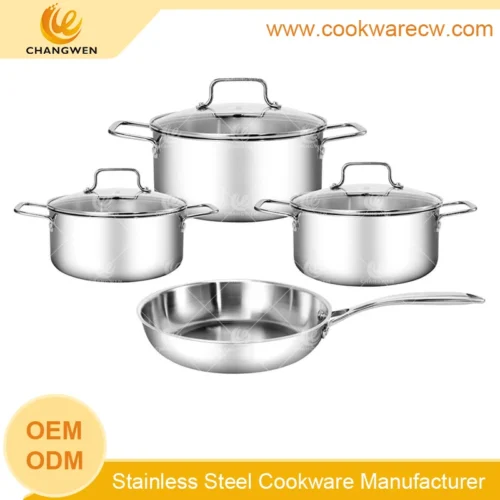
Premium Stainless Steel Cookware Set for Modern Kitchens CW-ETP0703
-
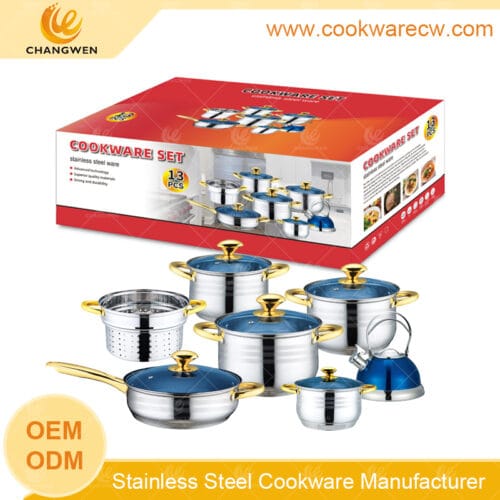
Mercado Libre stainless steel 13pcs cookware set tea kettle pasta pot nonstick frying pan golden handle blue coating CW-M1305
-
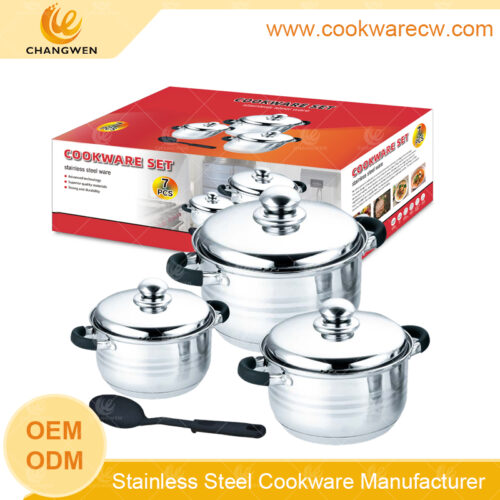
Mercado Libre hotsale cookware 7pcs cooking pot set stainless steel lids silicone handle kitchen tool solid serving spoon CW-M0702G
-
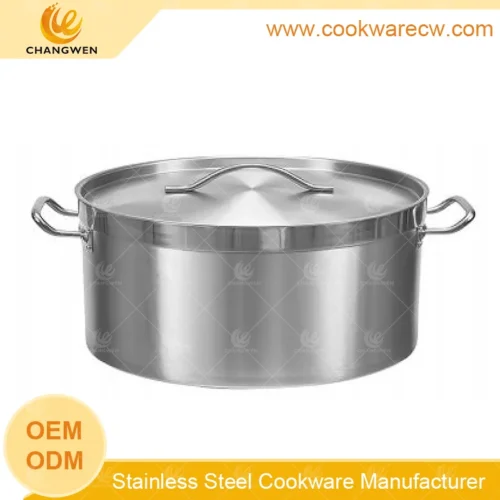
Stainless Steel Stock Pot CW-SP002
-
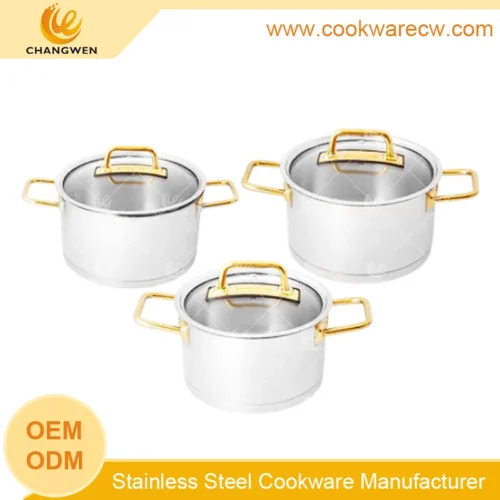
6-Piece Stainless Steel Pot Set with Gold Handles CW-ES0610
-
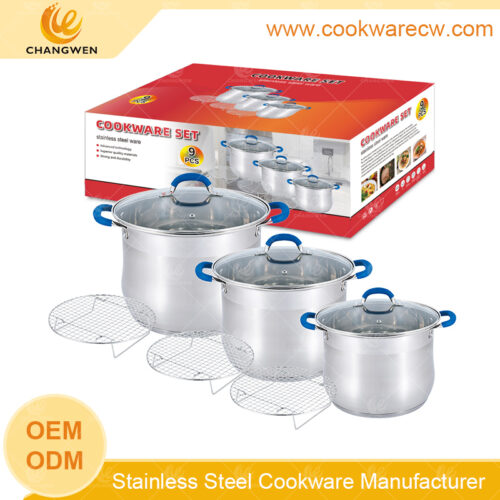
heavy weight stainless steel stock pots set with tube handles & knobs covered silicon wire steamers kitchenware manufactured in China CW-M0902
-
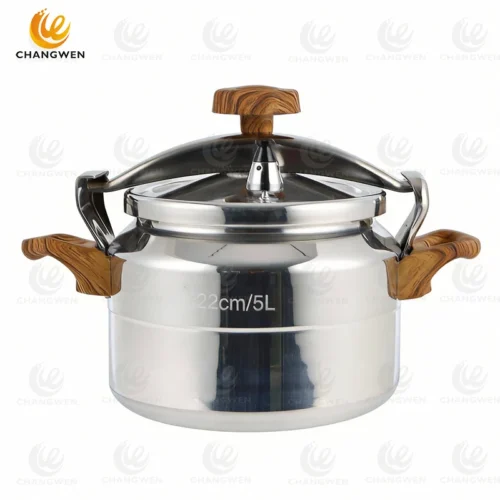
Pressure Cooker Stainless Steel for Healthy Cooking
-
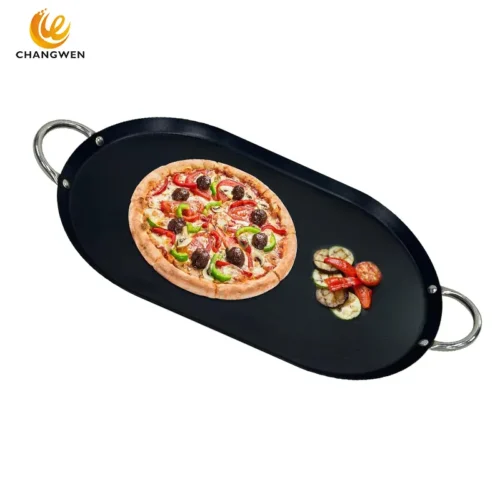
Stainless Steel Griddle For BBQ Grills