
Key Takeaways
- Aluminum pressure cookers offer excellent heat conductivity and faster cooking times compared to stainless steel models
- Budget-friendly option that’s significantly more affordable than stainless steel alternatives
- Lightweight design makes handling and maneuvering easier, especially for daily use
- Important considerations include compatibility with stovetops, potential reactivity with acidic foods, and durability concerns
- Safety features like pressure regulators, locking lids, and gasket release systems are essential regardless of material
- Capacity selection should match your household size, ranging from 2-quart models for singles to 8+ quart options for larger families
What is an Aluminum Pressure Cooker?

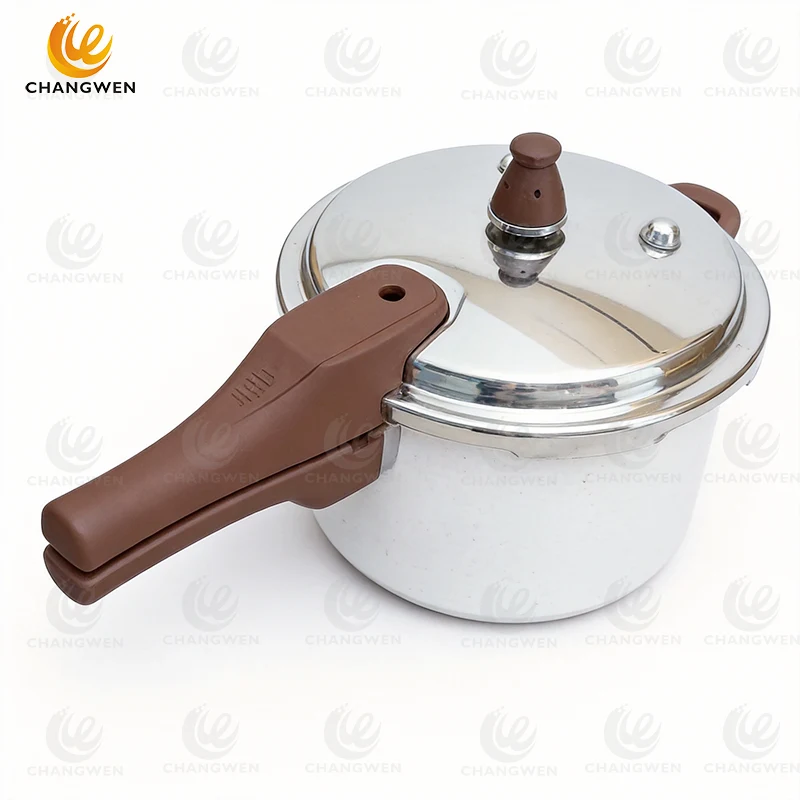
An aluminum pressure cooker is a kitchen appliance designed to cook food quickly under high pressure using steam. Made from lightweight aluminum or aluminum alloy, these cookers have been popular for decades due to their affordability and excellent heat transfer properties. The material’s high thermal conductivity allows the cooker to heat up rapidly and maintain consistent pressure during cooking.
Aluminum Pressure Cooker vs Stainless Steel: Understanding the Differences
Heat Conductivity and Cooking Speed
Aluminum’s thermal conductivity rating of 237W/m²/K makes it one of the best heat-conducting metals available. This means aluminum pressure cookers heat up significantly faster than stainless steel models, reducing the time needed to build pressure and start cooking. The rapid heat distribution ensures more efficient energy use, whether you’re cooking on gas or electric stovetops.
Stainless steel cookers, while slower to heat initially, often incorporate an aluminum disc or core in the base to improve heat distribution. Once heated, both materials cook food effectively, but aluminum maintains its edge in speed.
Weight and Handling
One of the most noticeable advantages of aluminum pressure cookers is their lighter weight. A 6-quart aluminum cooker typically weighs 30-40% less than its stainless steel counterpart, making it easier to lift, pour, and store. This is particularly beneficial for those who cook frequently or have limited strength for handling heavy cookware.
Durability and Longevity
While aluminum cookers are initially more affordable, they have some durability concerns. Aluminum is softer than stainless steel and has a lower softening point, which means:
- Greater susceptibility to denting and deformation over time
- Potential warping with prolonged high-heat use
- Surface oxidation that creates a white or dull grey coating
- Shorter overall lifespan compared to stainless steel
Stainless steel pressure cookers, though heavier and more expensive, offer superior durability and can last for decades with proper care.
Food Reactivity and Safety
A significant consideration when choosing aluminum cookware is food reactivity. Aluminum can react with acidic and alkaline foods, including:
- Tomatoes and tomato-based sauces
- Citrus fruits and juices
- Vinegar-based marinades
- Pickled foods
- Highly salted dishes
When aluminum reacts with these foods, it can leach small amounts of aluminum ions into the food. While modern anodized aluminum cookers reduce this concern, standard aluminum models may pose health considerations with frequent use.
Stainless steel is non-reactive and safe for all food types, making it the healthier long-term choice for diverse cooking needs.
Price Comparison
Aluminum pressure cookers typically cost 40-60% less than comparable stainless steel models:
- 2-4 quart aluminum: $30-$60
- 6 quart aluminum: $50-$90
- 8 quart aluminum: $70-$120
Compared to stainless steel options that often range from $80-$200+ for similar capacities.
Are Aluminum Pressure Cookers Safe?
Modern aluminum pressure cookers are designed with multiple safety features that make them safe for home use when operated correctly:
Essential Safety Features
- Pressure Regulator: Controls and maintains proper cooking pressure
- Safety Valve: Releases excess pressure automatically
- Locking Lid Mechanism: Prevents opening while under pressure
- Gasket Release System: Emergency pressure release if levels exceed safe limits
- Pressure Indicator: Visual confirmation of pressure status
- Sturdy Handles: Secure grip for safe handling
Using Aluminum Pressure Cookers Safely
- Always check that the gasket is in good condition before use
- Ensure the lid is properly locked before heating
- Never fill beyond two-thirds capacity (one-third for foods that expand)
- Allow pressure to release completely before opening
- Keep the pressure release valve clean and unobstructed
- Follow manufacturer guidelines for liquid minimums
- Avoid cooking foaming foods that could clog vents
Aluminum Pressure Cooker Price Guide
Prices vary based on capacity, features, and brand reputation:
Small Pressure Cookers (2-3 Quart/2-3 Liter)
- Budget models: $25-$40
- Mid-range: $40-$60
- Premium: $60-$80
Medium Pressure Cookers (4-6 Quart/4-6 Liter)
- Budget models: $40-$65
- Mid-range: $65-$90
- Premium: $90-$130
Large Pressure Cookers (8+ Quart/8+ Liter)
- Budget models: $70-$100
- Mid-range: $100-$150
- Premium: $150-$200
Prices increase with additional features like hard-anodized coating, induction compatibility, and advanced safety mechanisms.
Why Did My Aluminum Pressure Cooker Turn Black?
Black discoloration on aluminum pressure cookers is common and occurs due to several reasons:
Causes of Blackening
- Oxidation: Aluminum reacts with oxygen and moisture, forming aluminum oxide that appears dark or black
- Hard Water Deposits: Minerals in water can leave dark stains
- High Heat: Excessive heat can cause carbon buildup and discoloration
- Food Residue: Acidic foods can darken aluminum surfaces
- Age: Natural aging process causes surface changes
How to Clean Blackened Aluminum
Method 1: Vinegar Solution
- Mix equal parts water and white vinegar
- Boil in the cooker for 10-15 minutes
- Scrub with a soft sponge
- Rinse thoroughly
Method 2: Lemon and Salt
- Cut a lemon in half
- Dip in salt
- Scrub the blackened areas
- Rinse and dry
Method 3: Cream of Tartar
- Add 2 tablespoons cream of tartar to water
- Boil for 10 minutes
- Let cool and scrub gently
Method 4: Baking Soda Paste
- Make a paste with baking soda and water
- Apply to blackened areas
- Let sit for 30 minutes
- Scrub and rinse
Prevention Tips
- Dry the cooker thoroughly after each wash
- Avoid cooking highly acidic foods frequently
- Don’t use metal scourers or abrasive cleaners
- Store in a dry place
- Season occasionally with cooking oil
Choosing the Right Aluminum Pressure Cooker Pot Size
Selecting the appropriate capacity is crucial for efficient cooking:
Capacity Guidelines by Household Size
| Household Size | Recommended Capacity |
|---|---|
| 1-2 people | 2-3 quarts (2-3 liters) |
| 3-4 people | 4-5 quarts (4-5 liters) |
| 5-6 people | 6-7.5 quarts (6-7 liters) |
| 7-8 people | 8-10 quarts (8-10 liters) |
| 9+ people | 12+ quarts (12+ liters) |
Factors to Consider
- Cooking frequency: Daily cooks may benefit from multiple sizes
- Meal types: Batch cooking requires larger capacity
- Storage space: Larger cookers need more storage room
- Weight handling: Remember that filled cookers become heavier
Finding Aluminum Pressure Cookers Nearby
Where to Buy
Retail Stores:
- Kitchen specialty stores
- Department stores (housewares section)
- Discount retailers
- Home goods stores
Online Options:
- Amazon
- Manufacturer websites
- E-commerce platforms
- Specialty cookware sites
Local Options:
- Check manufacturer websites for authorized dealers
- Use store locator tools
- Search “pressure cooker near me” for local availability
- Visit restaurant supply stores
What to Check Before Buying
- Manufacturer warranty (typically 1-5 years)
- Return policy
- Customer reviews and ratings
- Safety certifications (UL, ISI, CE)
- Replacement parts availability
- Customer service accessibility
Small Aluminum Pressure Cookers: Perfect for Small Households
Benefits of Compact Models
Small pressure cookers (2-3 quarts) offer several advantages:
- Space-efficient: Ideal for small kitchens or apartments
- Energy-saving: Requires less energy to heat and maintain pressure
- Quick cooking: Smaller volume reaches pressure faster
- Easy storage: Fits in limited cabinet space
- Single-serving friendly: Perfect for one or two people
Best Uses for Small Aluminum Pressure Cookers
- Cooking rice for 1-2 people
- Steaming vegetables
- Making small batches of dal or soup
- Preparing quick breakfasts
- Cooking eggs
- Making baby food
- Side dishes for larger meals
4 Quart, 6 Quart, and 8 Qt Aluminum Pressure Cookers
4 Quart Aluminum Pressure Cooker
Ideal For:
- Small to medium families (2-4 people)
- Singles who meal prep
- Side dishes for larger gatherings
Common Uses:
- 2-3 cups of rice
- Small roasts
- Vegetable medleys
- Beans and legumes
- Small batch soups
Price Range: $40-$80
6 Quart Aluminum Pressure Cooker
Ideal For:
- Medium families (4-6 people)
- Most versatile size for average households
- Batch cooking enthusiasts
Common Uses:
- Full family meals
- 4-5 cups of rice
- Whole chickens
- Large vegetable batches
- Stocks and broths
Price Range: $50-$100
8 Qt Aluminum Pressure Cooker
Ideal For:
- Large families (6-8+ people)
- Meal preppers
- Entertaining guests
- Canning purposes (some models)
Common Uses:
- Large roasts and whole poultry
- Big batch cooking
- Canning vegetables and fruits
- Party-size servings
- Weekly meal prep
Price Range: $70-$130
Size Selection Tips
- Consider your largest meal needs rather than average
- Remember the two-thirds rule: Never fill beyond 2/3 capacity
- Account for liquid requirements: Pressure cookers need minimum liquid
- Think about storage: Larger cookers require more space
- Weight matters: Filled 8-quart cookers can be quite heavy
Frequently Asked Questions
Can I use an aluminum pressure cooker on a glass top stove?
Yes, but with important considerations. Standard aluminum pressure cookers work on glass-top electric stoves, but you should:
- Ensure the bottom is smooth and flat to prevent scratching
- Avoid dragging the cooker across the surface
- Check that the cooker bottom is not warped
- Clean the bottom before each use to remove any debris
- Follow the stove manufacturer’s weight recommendations
However, aluminum pressure cookers typically do NOT work on induction glass-top stoves unless they have a magnetic steel disc bonded to the bottom. Induction cooktops require magnetic materials to function. If you have an induction stove, look for “induction-compatible” labels or consider stainless steel models instead.
Can I use an aluminum pressure cooker for a still?
Using a pressure cooker for distillation purposes is extremely dangerous and not recommended. Here’s why:
Safety Concerns:
- Pressure cookers are designed for steam pressure up to 15 PSI for cooking, not distillation
- Alcohol vapor is highly flammable and can explode
- Safety valves may not function properly with distillation
- Risk of dangerous pressure buildup
- Potential for toxic fumes
Material Issues:
- Aluminum can react with alcohol and various chemicals
- Not designed for the temperatures involved in distillation
If you’re interested in distillation, invest in purpose-built equipment designed specifically for that use with proper safety features and materials.
Can you put aluminum foil in a pressure cooker?
Yes, aluminum foil can be safely used inside a pressure cooker when done correctly:
Safe Uses:
- Creating foil slings: To lift delicate foods in and out
- Wrapping foods: To prevent them from breaking apart
- Separating foods: To cook different items simultaneously
- Making packets: For steaming fish or vegetables
- Covering dishes: To prevent water from getting into foods
Important Guidelines:
- Never cover the pressure release valve or vents
- Don’t let foil touch the sides or interfere with sealing
- Ensure foil doesn’t block steam circulation
- Leave enough space for proper pressure building
- Use food-grade aluminum foil only
- Avoid covering the entire cooking surface
Best Practices:
- Make foil packets loose enough for steam circulation
- Create handles on foil packets for easy removal
- Use trivet or steaming rack underneath foil-wrapped items
- Don’t use foil if cooking highly acidic foods
- Ensure the gasket seals properly despite foil presence
When Not to Use Foil:
- Don’t use it to line the entire pot bottom
- Avoid using when cooking directly in the pot without a trivet
- Never use it to cover safety features
Aluminum foil is a helpful accessory when used properly, allowing you to cook delicate foods or create compartments for different ingredients while maintaining the pressure cooker’s safety and efficiency.
Conclusion
Aluminum pressure cookers offer an affordable, lightweight, and efficient cooking solution for households of all sizes. While they have some limitations compared to stainless steel models—including durability concerns and food reactivity issues—their excellent heat conductivity, budget-friendly pricing, and ease of handling make them a popular choice worldwide.
When selecting an aluminum pressure cooker, consider your household size, cooking frequency, stovetop compatibility, and budget. Prioritize models with comprehensive safety features, good manufacturer warranties, and positive customer reviews. Whether you choose a compact 2-quart model for single living or an 8-quart version for family meals, proper use and maintenance will ensure years of reliable service.
For those concerned about aluminum reactivity, consider hard-anodized aluminum models or stainless steel alternatives. Regardless of your choice, a pressure cooker remains one of the most valuable tools in a modern kitchen, reducing cooking times by up to 70% while preserving nutrients and flavors.
-
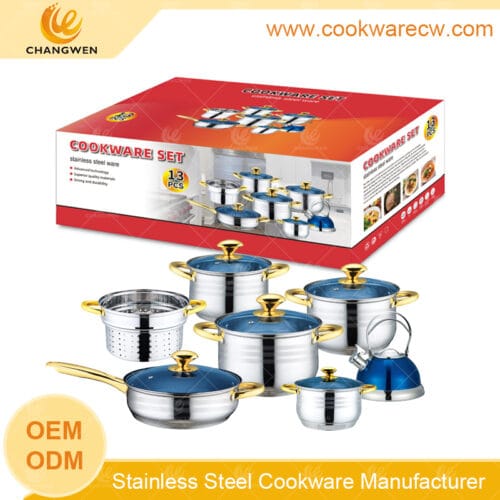
Mercado Libre stainless steel 13pcs cookware set tea kettle pasta pot nonstick frying pan golden handle blue coating CW-M1305
-
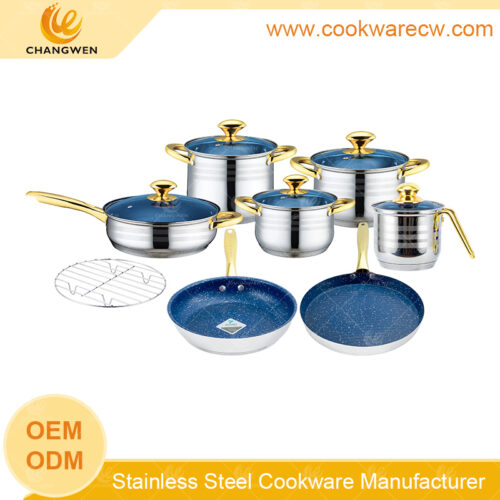
Best Tri Ply Stainless Steel Cookware
-
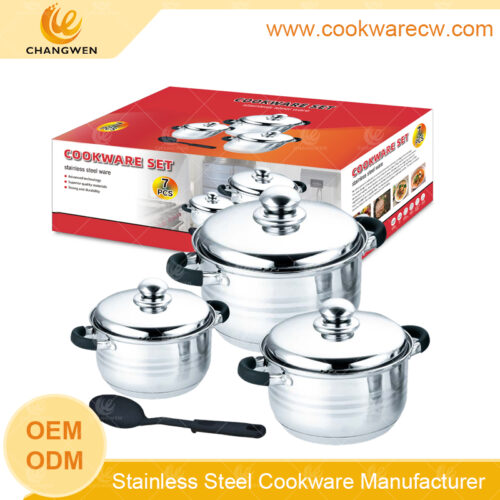
Mercado Libre hotsale cookware 7pcs cooking pot set stainless steel lids silicone handle kitchen tool solid serving spoon CW-M0702G
-

Hotsale 12pcs stainless steel cooking sets soup stock pot kitchen ollas saucepan casserole and milkpot fry pan nonstick CW-M1209
-
Camping Pot Stainless Steel
-
Stainless Steel Stock Pot 8 Qt/20l/30 Litre/60 Qt CW-M0802
-
5 Piece Vertical Stripe Nonstick Die-Cast Aluminum Cookware Set | Custom Aluminum Cookware Manufacturer China
-
China cookware set 12pcs pots wholesale stainless steel lids black handle and knob frypan casserole saucepan CW-M1229B