If you’ve ever wondered whether you can put stainless steel in a microwave, you’re not alone. This question puzzles countless people every day, and the answer might surprise you: some stainless steel products are actually microwave-safe, while others can cause dangerous sparks and damage your appliance.
In this comprehensive guide, we’ll explore everything you need to know about microwaving stainless steel, from lunch boxes and thermoses to bowls and utensils.
Quick Answer: Can You Put Stainless Steel in a Microwave?
The short answer: It depends on the design and certification. Traditional stainless steel items with sharp edges or complex shapes should never go in the microwave. However, specially designed microwave-safe stainless steel containers with rounded edges and proper certification can be safely microwaved.
Key safety rule: Only use stainless steel items explicitly labeled as “microwave-safe” by the manufacturer.
Understanding Why Metal and Microwaves Don’t Usually Mix
Before we dive into which stainless steel items you can microwave, let’s understand the science behind the restriction.
How Microwaves Heat Food

Microwave ovens generate electromagnetic waves through a component called a magnetron. These waves create a rotating electromagnetic field that causes water molecules in food to vibrate rapidly. This molecular friction generates heat, which warms your food from the inside out.
The Arc Phenomenon: Why Most Metal Sparks
When metal enters a microwave, the electromagnetic field causes free electrons in the metal to move rapidly. In traditional metal containers, especially those with sharp edges or corners, these electrons concentrate at pointed areas, creating an electrical arc—essentially sparks. This phenomenon can:
- Damage your microwave oven
- Create fire hazards
- Cause dangerous electrical discharges
- Ruin your food
Can You Microwave Stainless Steel Lunch Boxes?
Yes, but only specific models. Not all stainless steel lunch boxes are microwave-safe.
What Makes a Lunch Box Microwave-Safe?
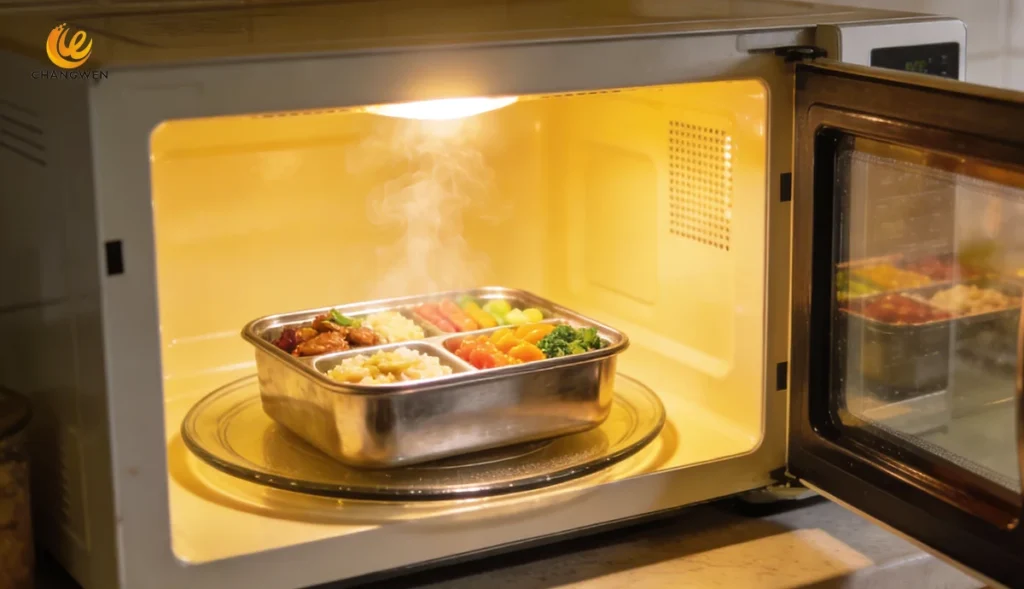
Safe stainless steel lunch boxes feature:
- Rounded edge design – No sharp corners or angles where electrons can concentrate
- Integrated construction – Seamless design that distributes electrons evenly
- Microwave-safe certification – Clear labeling from the manufacturer
- Typically made from 304 stainless steel (18/8 composition)
How to Tell If Your Lunch Box Is Microwave-Safe
Look for these indicators:
- “Microwave-safe” label on the product or packaging
- Certification marks from testing organizations
- Smooth, rounded corners throughout the design
- Manufacturer instructions specifically stating microwave compatibility
Warning: Never assume a stainless steel lunch box is microwave-safe without explicit confirmation from the manufacturer.
Can You Microwave a Stainless Steel Thermos?
Generally, no. Most stainless steel thermoses are not designed for microwave use.
Why Thermoses Are Usually Not Microwave-Safe
- Vacuum insulation structure – The double-wall design with vacuum space doesn’t heat efficiently
- Sharp internal components – Seals and threading can create arc points
- Lid components – Rubber gaskets and plastic parts may not be microwave-safe
- Size and shape – Tall, narrow designs with metal lids increase spark risk
Alternative Heating Methods for Thermoses
Instead of microwaving:
- Pour contents into a certified microwave-safe container
- Heat water separately and add to thermos
- Use stovetop heating for beverages
Can We Use Steel Bowl in Microwave Oven?
The answer depends on the specific bowl design and certification.
Microwave-Safe Steel Bowls
Some modern stainless steel bowls are specifically engineered for microwave use. These typically feature:
- Smooth, rounded interiors with no sharp angles
- Integrated construction without separate metal components
- 304-grade stainless steel composition
- Clear microwave-safe labeling
Traditional Steel Bowls
Standard stainless steel bowls without microwave certification should not be used in microwaves because:
- Most have rim designs that can create arcing
- Traditional bowl shapes weren’t designed with microwave safety in mind
- Risk of sparking and microwave damage is high
Can You Put Stainless Steel in the Air Fryer?
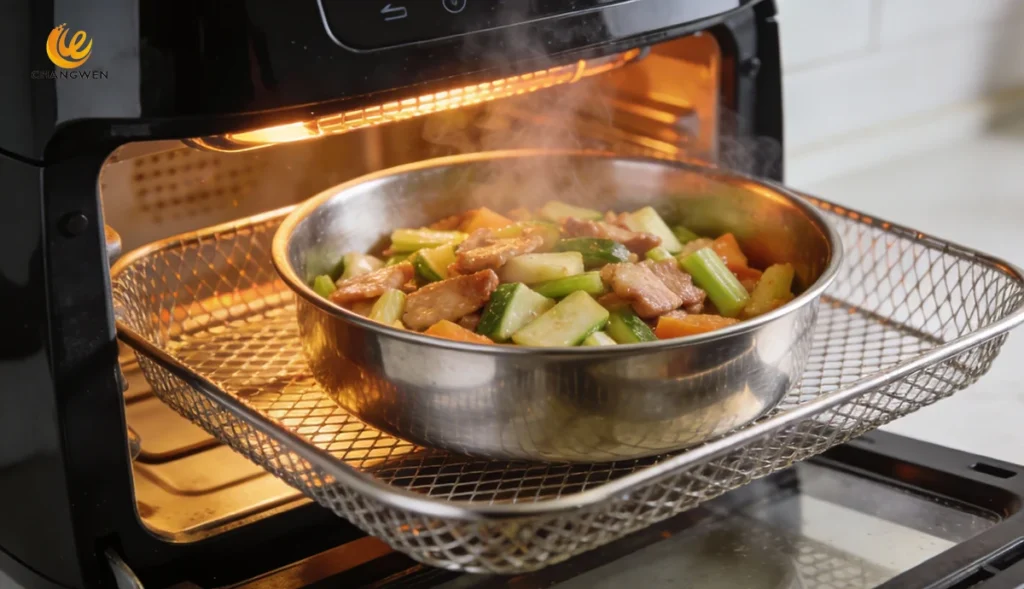
Yes, absolutely! This is one area where stainless steel excels.
Unlike microwaves, air fryers use convection heating (hot air circulation), not electromagnetic waves. Stainless steel is perfectly safe and actually ideal for air fryers because:
- It withstands high temperatures (up to 500°F+)
- It doesn’t react with foods
- It conducts heat efficiently
- It won’t warp or release chemicals
Best Stainless Steel Items for Air Fryers
- Baking pans and sheets
- Bowls and ramekins
- Grill racks
- Skewers and accessories
Is 304 Stainless Steel Microwave Safe?
304 stainless steel can be microwave safe—if properly designed.
Understanding 304 Stainless Steel
304 stainless steel (also called 18/8 stainless) contains:
- 18% chromium
- 8% nickel
- Balance iron and other elements
This is the most common grade used in food containers and kitchenware.
Why 304 Is Used for Microwave-Safe Containers
When 304 stainless steel is formed into rounded, integrated shapes:
- Electrons distribute evenly across surfaces
- No sharp concentration points exist
- The material remains stable under microwave radiation
- Food-grade safety is maintained
Important: The grade itself doesn’t guarantee microwave safety—the design matters most.
Is 316 Stainless Steel Microwave Safe?
Yes, 316 stainless steel can also be microwave safe with proper design.
What Is 316 Stainless Steel?
316 stainless steel (also called marine grade) contains:
- 16-18% chromium
- 10-14% nickel
- 2-3% molybdenum
- Better corrosion resistance than 304
Microwave Considerations for 316
The same design principles that apply to 304 apply to 316:
- Requires rounded edges and integrated construction
- Must have manufacturer certification
- The superior corrosion resistance doesn’t affect microwave safety
- Slightly more expensive but more durable
Both 304 and 316 are safe choices when properly designed for microwave use.
Stainless Steel Spoon in Microwave: The Dangerous Truth
Never put a stainless steel spoon in the microwave. This is one of the most dangerous microwave mistakes.
Why Spoons Are Particularly Risky
Spoons create multiple arc points:
- The handle tip concentrates electrons
- The bowl edge creates another concentration point
- The long, thin handle acts as an antenna
- Any food residue can increase arcing
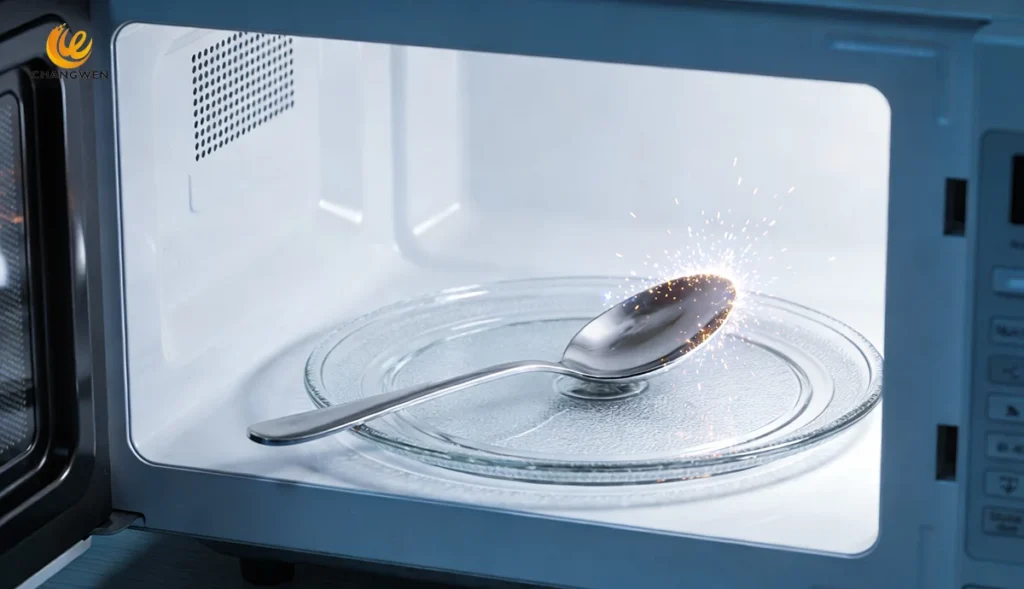
Potential consequences include:
- Bright sparks and light show
- Loud crackling or buzzing sounds
- Damage to microwave magnetron (expensive repair)
- Fire risk if sparks ignite food
- Potential microwave total failure
Safe Alternatives
Use these microwave-safe utensils instead:
- Silicone stirrers
- Wooden spoons
- Plastic microwave-safe utensils
- Ceramic or glass stirring rods
Complete Safety Guidelines for Microwave-Safe Stainless Steel
If you have certified microwave-safe stainless steel containers, follow these rules:
Before Using
- Verify certification – Confirm the “microwave-safe” label
- Inspect for damage – Check for dents, cracks, or deformation
- Remove all non-steel components – Take off plastic lids, rubber seals
- Ensure food coverage – Never microwave empty containers
During Use
- Center placement – Position container in the middle of the turntable
- Avoid contact – Keep container away from microwave walls
- Time limits – Heat in short intervals (2-3 minutes maximum)
- No overfilling – Leave space for heat expansion
- One container only – Never microwave multiple metal items simultaneously
Microwave Settings
- Power level: Use medium power (50-70%) rather than high
- Duration: Heat in increments, checking between cycles
- Rotation: Ensure turntable rotates properly
- Monitoring: Stay near the microwave during operation
After Heating
- Use oven mitts – Container will be very hot
- Check for hot spots – Stainless steel heats unevenly
- Inspect for damage – Look for any warping or discoloration
- Cool before washing – Let container cool naturally
Signs Your Stainless Steel Container Is NOT Microwave-Safe
Stop immediately if you observe:
- Sparking or arcing – Any visible electrical discharge
- Unusual sounds – Crackling, popping, or buzzing
- No heat transfer – Food remains cold while container is hot
- Burning smell – Indicates electrical problems
- Smoke – Stop and unplug the microwave immediately
The Future of Microwave-Safe Stainless Steel
Innovation continues in this space:
Current Developments
- More manufacturers creating certified microwave-safe designs
- Improved edge-rounding technology
- Better material composites
- Enhanced safety testing protocols
Market Availability
Microwave-safe stainless steel containers are now widely available:
- Amazon and online retailers
- Specialty kitchenware stores
- Direct from manufacturers
- Restaurant supply stores
Typical capacities range from 300ml to 1100ml, with 900ml being most popular.
Cleaning and Maintaining Microwave-Safe Stainless Steel
Proper care ensures continued safe use:
Regular Cleaning
- Use warm water with mild dish soap
- Avoid abrasive scrubbers that could create scratches
- Dry thoroughly to prevent water spots
- Inspect seals and edges regularly
Deep Cleaning
For stubborn residue:
- Mix two teaspoons baking soda with hot water
- Soak for one hour
- Rinse thoroughly and dry completely
- Dishwasher safe (check manufacturer specifications)
Storage Tips
- Store with lids off to allow air circulation
- Nest carefully to avoid scratching
- Keep away from sharp objects
- Avoid stacking other items inside
Environmental Benefits of Microwave-Safe Stainless Steel
Choosing certified stainless steel containers offers sustainability advantages:
Compared to Plastic Containers
- Longevity: Lasts decades vs. months/years
- No chemical leaching: BPA-free and non-toxic
- Recyclable: 100% recyclable at end of life
- Reduces waste: Eliminates disposable container need
Compared to Disposable Options
- Eliminates single-use container waste
- Reduces microplastic pollution
- Lower long-term cost despite higher initial investment
- Superior food preservation qualities
Common Questions Answered
Can I convert my regular stainless steel containers to be microwave-safe?
No. Microwave safety requires specific design features built during manufacturing. You cannot modify existing containers to make them safe.
Do microwave-safe symbols guarantee stainless steel is safe?
Generally yes, but always verify the symbol is from the original manufacturer, not an aftermarket seller. Counterfeits exist.
Can I microwave stainless steel with food directly on it?
Yes, but only if the container is certified microwave-safe. The food should cover the bottom to help absorb microwave energy.
Why does my microwave-safe container get so hot?
Stainless steel heats differently than glass or ceramic. The metal absorbs energy and conducts heat efficiently, so it will feel hotter than the food inside.
Can airport security scanners damage microwave-safe stainless steel?
No. X-ray scanners and metal detectors don’t affect the physical properties of stainless steel containers.
The Bottom Line: Making Smart Choices
Here’s what you need to remember about microwaving stainless steel:
✓ DO:
- Use only certified microwave-safe stainless steel containers
- Check for “microwave-safe” labels before use
- Follow manufacturer heating time recommendations
- Inspect containers regularly for damage
- Heat in short intervals with monitoring
✗ DON’T:
- Microwave regular stainless steel bowls, cups, or utensils
- Put any metal spoons, forks, or knives in the microwave
- Use damaged or dented stainless steel containers
- Microwave empty stainless steel containers
- Assume all stainless steel is microwave-safe
Final Thoughts
The world of microwave-safe stainless steel represents an exciting development in sustainable, practical kitchenware. While the old rule of “no metal in the microwave” still applies to most items, specially designed stainless steel containers have proven that innovation can make the impossible possible.
By understanding the science behind microwave safety, recognizing certified products, and following proper usage guidelines, you can safely enjoy the benefits of durable, eco-friendly stainless steel containers in your microwave.
Remember: when in doubt, check the label, consult the manufacturer, and prioritize safety over convenience. Your microwave—and your safety—depend on it.
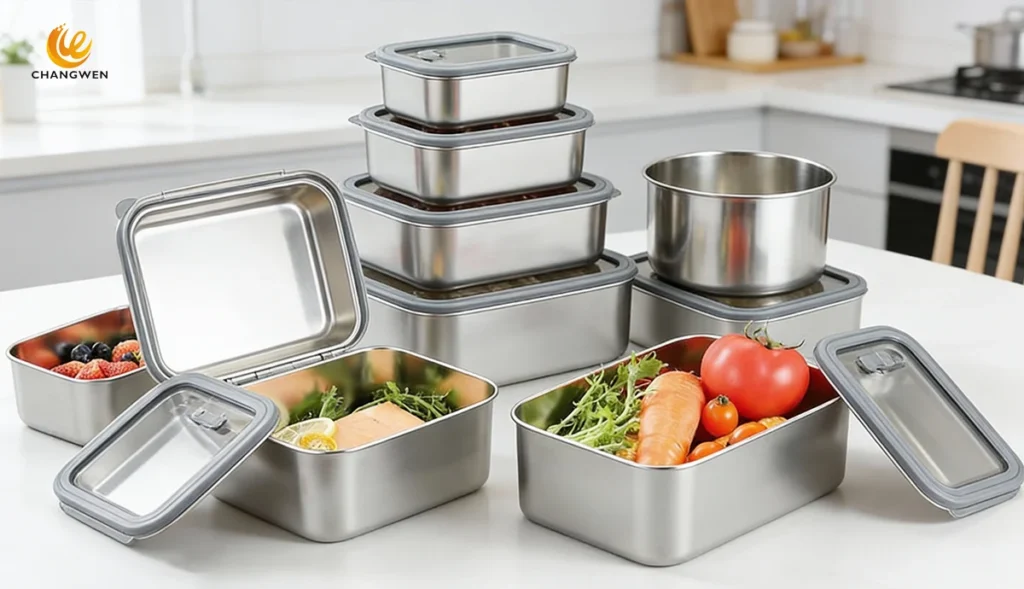
Changwen offers custom-made stainless steel containers designed to meet your specific needs, perfectly suited for microwave use. Each container is crafted with high-quality, food-grade stainless steel, ensuring durability, safety, and even heat distribution. Whether for commercial kitchens, catering, or home use, our containers can be tailored in size, shape, and design to match your cooking requirements while maintaining microwave compatibility. Trust Changwen for innovative, reliable, and safe stainless steel solutions for modern kitchens.

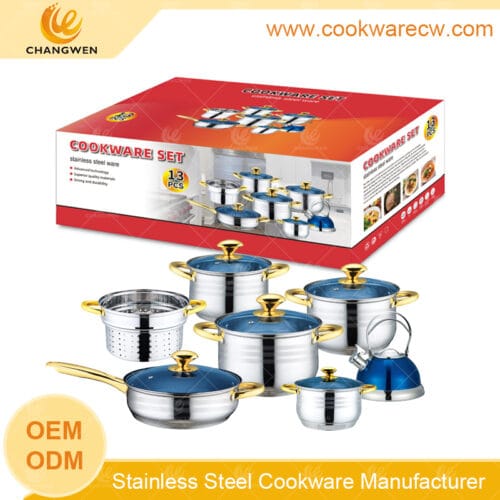
Mercado Libre stainless steel 13pcs cookware set tea kettle pasta pot nonstick frying pan golden handle blue coating CW-M1305
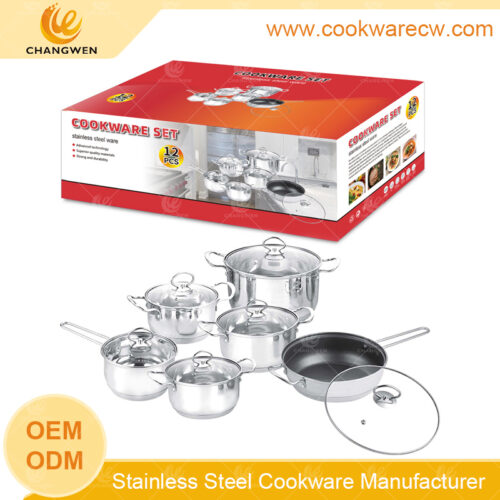
New design stainless steel 12pcs pots wholesale wire handle and knob cookware mirror polished saucepan casserole kitchen pots nonstick coated frypan CW-M1218
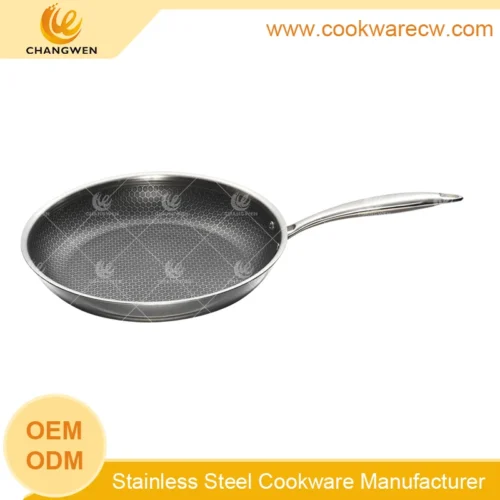
Honeycomb Stainless Steel Pan with Enhanced Heat Control CW-ETP017
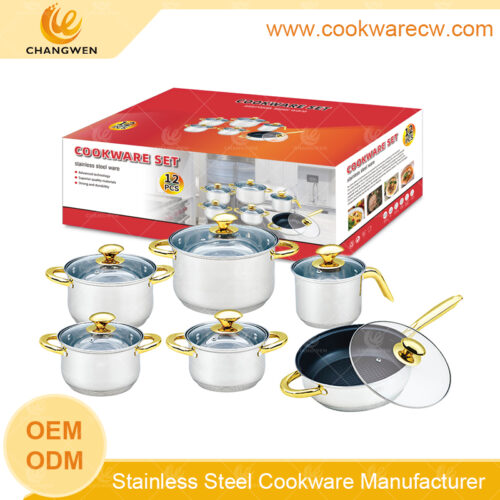
high quality stainless steel pots and pans 12pcs cookware set nonstick fry pans with 5-9 steps capsule bottom CW-M1212
China cookware set 12pcs pots wholesale stainless steel lids black handle and knob frypan casserole saucepan CW-M1229B
8-Piece Cream White Stainless Steel Cookware Set with Saucepan CW-ES0803
Commercial-Grade Stainless Steel Pot Set for Chefs CW-TP0705
Hot sale SS ollas non-stick coated frying pans and pots stock pot with a kitchenware clip CW-M1204