
Aluminum frying pans have been kitchen staples for decades, valued for their lightweight design, excellent heat conductivity, and affordable pricing. But are they safe? Which type should you choose? And how do they compare to other cookware materials? This comprehensive guide answers all your questions about aluminum frying pans.
What Makes Aluminum Frying Pans Popular?
Aluminum cookware commands approximately 38% of the global cookware market, a testament to its widespread appeal among both home cooks and professional chefs. The material’s unique properties make it particularly well-suited for everyday cooking tasks.
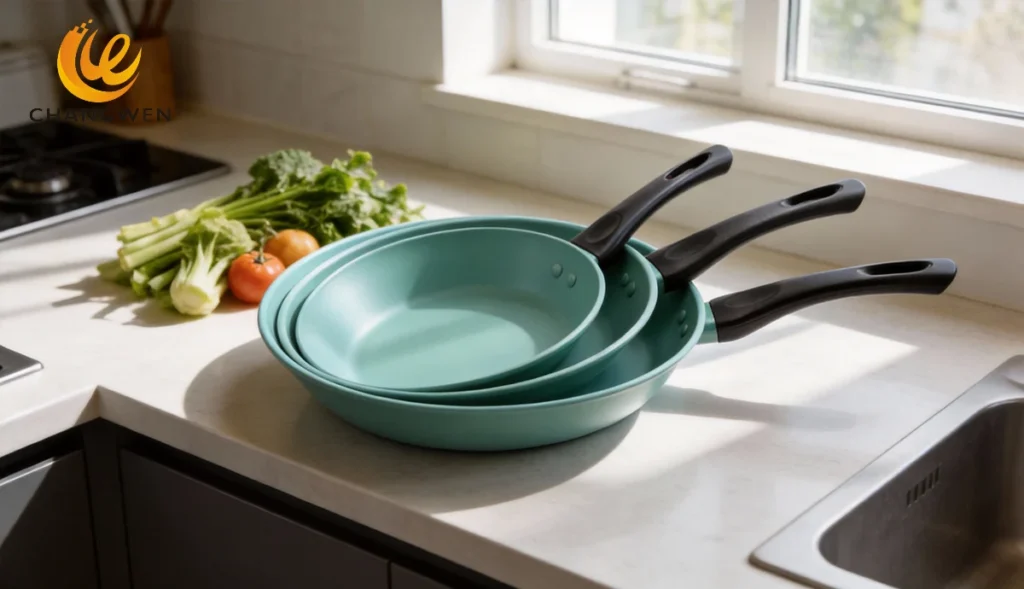
Key Benefits of Aluminum Frying Pans
Superior Heat Distribution: Aluminum’s thermal conductivity (237 W/m·K) far exceeds stainless steel (14.2 W/m·K), allowing pans to heat up quickly and evenly. This property eliminates hot spots that can burn food and ensures consistent cooking results.
Lightweight Construction: Aluminum pans typically weigh 30-40% less than equivalent stainless steel cookware, reducing wrist strain during cooking and making them easier to handle, especially for extended cooking sessions.
Energy Efficiency: Because aluminum heats rapidly and distributes heat effectively, it requires less energy to reach and maintain desired cooking temperatures, potentially reducing cooking times by up to 25%.
Affordability: Aluminum frying pans offer professional-level performance at consumer-friendly price points, making quality cookware accessible to a broader range of consumers.
Are Aluminum Frying Pans Safe for Cooking?
The safety of aluminum cookware has been extensively researched, and modern aluminum frying pans are considered safe when properly manufactured and used correctly.
Understanding the Safety Science
Research, including a comprehensive 2023 study published in the Journal of Alzheimer’s Disease involving 10,000 participants, found no correlation between dietary aluminum exposure and cognitive decline. The World Health Organization confirms that safe daily aluminum intake is 7mg per kilogram of body weight—far higher than the minimal amounts that might transfer from properly coated aluminum pans during normal cooking.
Modern Safety Features
Today’s aluminum frying pans feature protective coatings or treatments that prevent direct food contact with aluminum:
- Hard-Anodized Surfaces: An electrochemical process creates a protective aluminum oxide layer harder than stainless steel, making the surface non-reactive and completely food-safe
- Ceramic Coatings: PFOA and PFAS-free ceramic coatings provide excellent non-stick properties while creating a barrier between food and aluminum
- Multi-Layer Construction: Some premium pans sandwich aluminum between stainless steel layers, combining thermal benefits with safety
When Aluminum Might Leach
Uncoated aluminum can react with highly acidic foods (pH below 4) such as tomato-based sauces, citrus fruits, or vinegar-based dishes. A 2024 study in Food Chemistry found that tomato sauces cooked in uncoated aluminum for 2 hours contained 0.5-1.2mg/kg aluminum—still well below WHO safety limits but higher than other cookware materials.
Best Practice: Choose coated or anodized aluminum frying pans to eliminate any concerns about aluminum leaching, regardless of what you’re cooking.
Types of Aluminum Frying Pans
Understanding the different types helps you choose the right pan for your needs.
Hard-Anodized Aluminum Frying Pans
Hard-anodized aluminum undergoes an electrochemical treatment that transforms the surface into aluminum oxide, creating a layer that’s:
- Harder than stainless steel (60-70 Rockwell C hardness)
- Completely non-reactive with any food
- Scratch-resistant and safe for metal utensils
- Permanent (won’t wear off like coatings)
These pans combine aluminum’s thermal efficiency with exceptional durability and safety.
Ceramic-Coated Aluminum Frying Pans
Ceramic-coated aluminum pans feature a non-stick ceramic coating applied to an aluminum base. Benefits include:
- Excellent non-stick performance with minimal oil
- Free from PFOA, PFAS, and PTFE
- Even heat distribution from aluminum core
- Often available at mid-range prices
Consumer Reports testing showed that quality ceramic coatings can reduce fat usage by up to 75% in frying applications while maintaining easy food release.
Cast Aluminum Frying Pans
Cast aluminum is thicker and heavier than regular aluminum, offering:
- Enhanced heat retention for consistent cooking
- Superior durability for long-term use
- Excellent for high-heat searing
- Often features non-stick coatings
These pans bridge the gap between lightweight aluminum and heavy cast iron.
Tri-Ply Aluminum Frying Pans
Premium tri-ply or 5-ply construction sandwiches aluminum between stainless steel layers:
- Combines aluminum’s heat distribution with steel’s durability
- Induction-compatible (more on this below)
- Resists warping better than single-layer pans
- Safe for all cooking surfaces
Aluminum vs Anodized Aluminum Frying Pans
A standard aluminum frying pan is lightweight and heats up quickly, but its surface can scratch, discolor, or react with acidic foods over time. Anodized aluminum frying pan, on the other hand, undergoes an electrochemical process that creates a hard, non-reactive surface. This makes it more durable, resistant to corrosion, and safer for cooking. With better scratch resistance and easier cleaning, anodized aluminum frying pans are ideal for long-term use and high-temperature cooking, offering a safer and more reliable choice for your kitchen.
Aluminum Frying Pans and Induction Compatibility
One significant limitation of traditional aluminum is its incompatibility with induction cooktops.
Why Standard Aluminum Doesn’t Work on Induction
Induction cooktops generate heat through electromagnetic fields that interact with ferromagnetic materials. Pure aluminum is non-magnetic and won’t be detected by induction burners.
Simple Test: Place a refrigerator magnet on the bottom of your pan. If it sticks firmly, the pan will work on induction. If it doesn’t stick, the pan is not induction-compatible.
Induction-Compatible Aluminum Frying Pans
Manufacturers have developed solutions for using aluminum on induction:
Magnetic Steel Base: Many modern aluminum pans feature a bonded stainless steel disk or plate on the bottom, making them induction-ready while maintaining aluminum’s heat distribution benefits.
Multi-Ply Construction: Pans with alternating layers of aluminum and magnetic stainless steel work on induction while preserving excellent heat conduction.
Converter Plates: As a temporary solution, stainless steel converter discs can be placed between your induction cooktop and aluminum pans, though this method is less efficient than using purpose-built induction cookware.
Best Induction-Compatible Aluminum Pans
When shopping for aluminum pans for induction hobs, look for:
- Clear “induction compatible” labeling
- Visible stainless steel base or magnetic layer
- Flat, thick bottoms for maximum contact
- Quality construction from reputable brands
Aluminum Frying Pan vs Stainless Steel: Which Is Better?
Both materials have distinct advantages depending on your cooking needs.
Heat Performance
Aluminum Wins: Aluminum heats approximately 15 times faster than stainless steel, responding immediately to temperature adjustments. This makes aluminum ideal for delicate cooking techniques requiring precise heat control.
Stainless Steel: Heats more slowly and less evenly unless it has an aluminum or copper core.
Durability and Maintenance
Stainless Steel Wins: More resistant to scratches and wear, especially uncoated stainless steel. However, food tends to stick more without adequate fat.
Aluminum: Hard-anodized aluminum offers comparable durability to stainless steel, while standard aluminum may scratch more easily.
Weight and Handling
Aluminum Wins: Significantly lighter, making it easier to maneuver during cooking and more comfortable for extended use.
Stainless Steel: Heavier, which some cooks prefer for stability but can cause fatigue.
Price Point
Aluminum Wins: Generally offers better value, providing superior heat distribution at lower price points.
Stainless Steel: Quality stainless steel cookware, especially tri-ply construction, tends to be more expensive.
Versatility
Tie: Both can be used for most cooking tasks. Stainless steel works on all cooktops including induction, while aluminum needs special construction for induction compatibility.
Health Risks of Aluminum Frying Pans: Facts vs Fiction
Concerns about aluminum cookware safety persist despite scientific evidence.
Debunking Common Myths
Myth: Aluminum cookware causes Alzheimer’s disease. Fact: Extensive research has found no credible link between aluminum cookware and Alzheimer’s. The hypothesis from the 1960s has been thoroughly debunked by modern science.
Myth: All aluminum cookware leaches dangerous amounts of aluminum into food. Fact: Properly coated or anodized aluminum pans leach negligible amounts of aluminum—far less than naturally occurring aluminum in many foods like leafy greens, processed foods, and drinking water.
Myth: You should never cook acidic foods in aluminum pans. Fact: While uncoated aluminum can react with very acidic foods, modern ceramic-coated or anodized aluminum pans are completely safe for cooking any type of food, including tomatoes and citrus.
Real Health Considerations
The primary concern with aluminum frying pans is coating integrity. Damaged or scratched coatings may:
- Allow minimal aluminum leaching (still typically within safety limits)
- Reduce non-stick performance
- Cause food to stick and burn
Solution: Inspect your aluminum pans regularly and replace them when coatings show significant wear, scratches, or chips.
Aluminum Frying Pans with Lids: Added Value and Versatility
Many aluminum frying pans come with matching lids, offering several advantages:
Benefits of Lidded Aluminum Pans
Moisture Retention: Lids trap steam, keeping food moist during cooking—ideal for braising or simmering.
Faster Cooking: Covered pans heat more efficiently, reducing cooking time and energy use.
Versatility: Transform your frying pan into a shallow casserole dish for one-pan meals.
Safety: Glass lids let you monitor cooking progress without releasing heat or moisture.
What to Look For
When choosing aluminum frying pans with lids:
- Tempered glass lids for visibility and heat resistance
- Steam vents to prevent pressure buildup
- Oven-safe lids for finishing dishes
- Secure-fitting lids that create proper seals
Choosing the Best Aluminum Frying Pan
Consider these factors when selecting your aluminum frying pan:
Size Matters
8-10 inch pans: Perfect for individual servings, eggs, and small portions 12 inch pans: Most versatile size for family cooking and multiple servings 14 inch pans: Best for batch cooking and large meals
Coating Quality
Look for:
- PFOA and PFAS-free certifications
- Multi-layer coating systems for durability
- Brands with strong warranties (indicating confidence in coating longevity)
- Ceramic coatings rated at 6H hardness or higher
Construction Features
Handle Design: Ergonomic, heat-resistant handles that stay cool during cooking Bottom Thickness: At least 3mm to prevent warping Weight: Balanced weight—light enough to handle, heavy enough for stability Riveted Construction: Riveted handles are more durable than welded ones
Caring for Your Aluminum Frying Pan
Proper maintenance extends your pan’s life and maintains safety.
Daily Care
Cleaning: Wash with warm, soapy water and soft sponges immediately after use. Avoid abrasive cleaners or steel wool that can damage coatings.
Drying: Thoroughly dry pans before storage to prevent water spots and oxidation.
Utensils: Use wooden, silicone, or nylon utensils to protect non-stick surfaces. Hard-anodized pans can handle metal utensils.
Deep Cleaning
For stubborn stains or burnt-on food:
- Create a paste of baking soda and water
- Apply to stained areas and let sit 15 minutes
- Gently scrub with a soft brush
- For burnt residue, boil a mixture of water, vinegar, and salt for 10 minutes
Storage Tips
Stack Carefully: Use pan protectors or soft cloths between nested pans Hang When Possible: Hanging prevents scratches and warping from stacking Avoid Overcrowding: Give pans space to prevent damage from shifting
When to Replace
Replace your aluminum frying pan when:
- Coatings show significant scratching, peeling, or flaking
- The pan has warped and no longer sits flat
- Food consistently sticks despite proper use
- The pan shows signs of discoloration that won’t clean off
Environmental and Economic Considerations
Sustainability
Aluminum is highly recyclable, and many manufacturers use recycled aluminum in production. Choosing durable, long-lasting aluminum pans reduces waste compared to frequently replacing cheaper options.
Cost-Effectiveness
While initial investment varies, quality aluminum pans offer excellent long-term value:
- Lower replacement frequency with proper care
- Energy savings from efficient heating
- Reduced need for cooking oils and fats with non-stick surfaces
Conclusion: Are Aluminum Frying Pans Right for You?
Aluminum frying pans remain an excellent choice for most home cooks, offering:
- Superior heat distribution and responsiveness
- Lightweight, easy handling
- Affordable pricing with professional performance
- Modern safety features through advanced coatings
Choose aluminum frying pans if you:
- Value quick, even heating and precise temperature control
- Want lightweight cookware that’s easy to handle
- Cook on gas or electric stovetops (or have induction-compatible versions)
- Seek affordable, high-performance cookware
Consider alternatives if you:
- Exclusively use induction cooktops and prefer simpler options
- Want the heaviest, most durable cookware regardless of weight
- Prefer traditional cookware aesthetics
With proper selection and care, modern aluminum frying pans provide safe, efficient, and enjoyable cooking experiences for years to come. Focus on quality construction, appropriate coatings for your needs, and proper maintenance to get the most from your aluminum cookware investment.
-
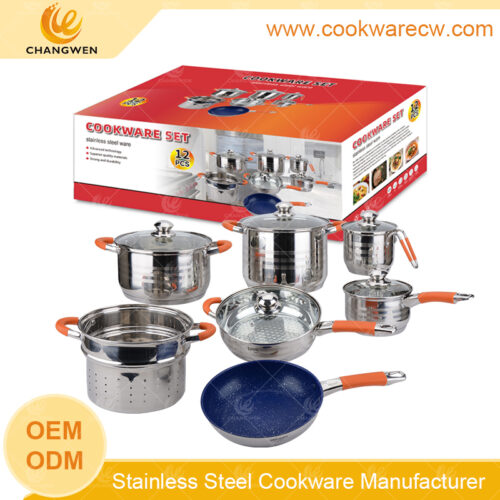
12pcs stainless steel cookware set with silicon handles coating conic frypan 24cm pasta pot in China CW-M1311
-
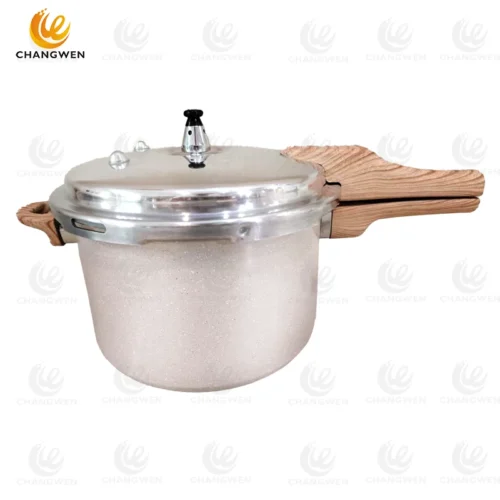
Custom Small Aluminum Pressure Cooker – Compact & Durable
-
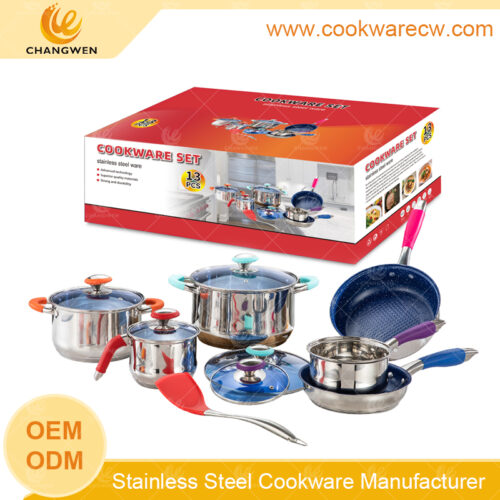
popular stainless steel pots 13pcs cookware set with heat insulated colored silicone and glass lids milkpot casseroles nonstick frypan set CW-M1206G
-
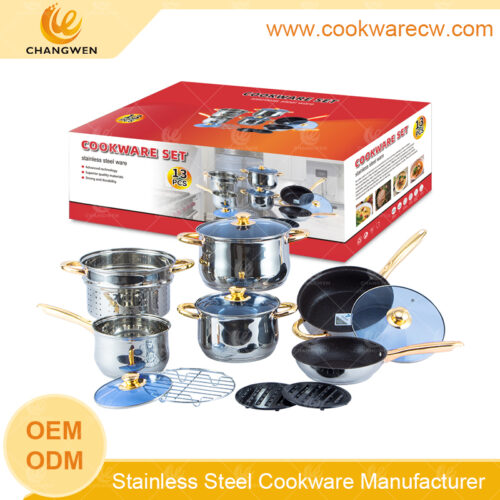
Factory Wholesaler 13 pcs nonstick stainless steel cookware set fry pan saucepan casserole steamer rack black mats CW-M1301
-
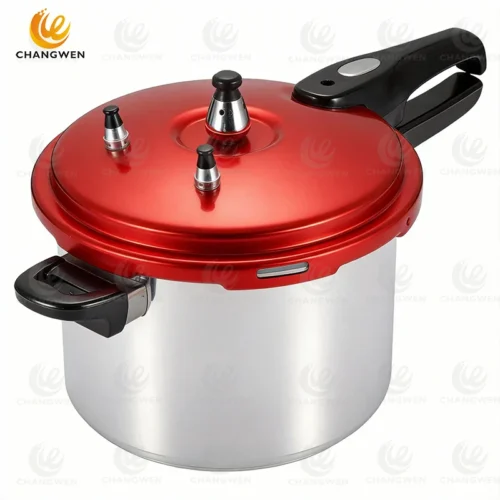
8 Qt Aluminum Pressure Cooker – Durable, Even-Heating, Easy-to-Use
-
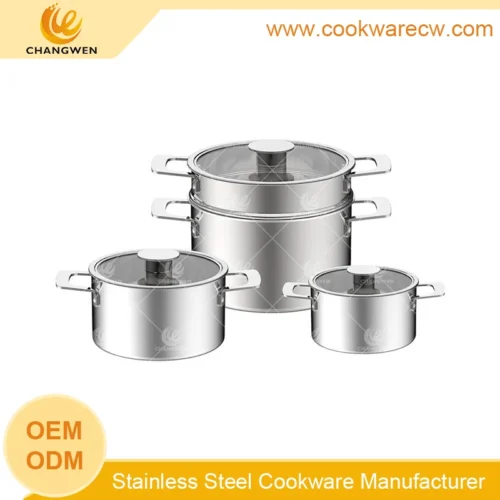
Commercial-Grade Stainless Steel Pot Set for Chefs CW-TP0705
-
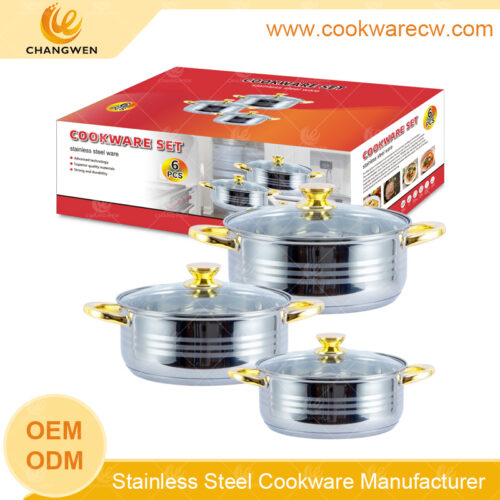
Stainless Steel Pot Cook Rice CW-M0608
-
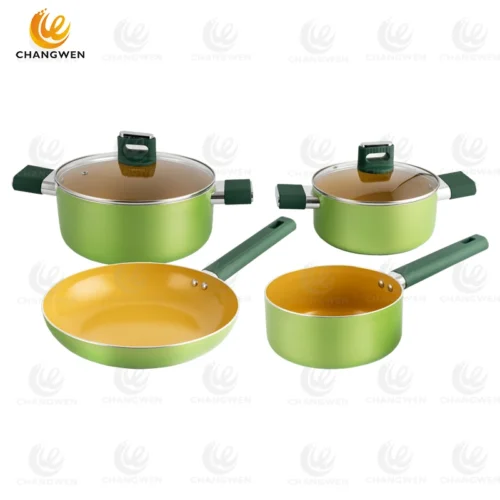
Custom Aluminum Cookware 6pcs Green Granite Nonstick l Manufacturer China