
A quality stainless steel stock pot is one of the most essential investments you’ll make for your kitchen. Whether you’re simmering rich broths for hours, cooking pasta for a crowd, or preparing large-batch soups in a commercial kitchen, the right stock pot makes all the difference. This comprehensive guide will walk you through everything you need to know about selecting, using, and maintaining stainless steel stock pots. From understanding different sizes like the popular 20 qt stainless steel stock pot to exploring specialized features like built-in strainers and spigots, you’ll learn how to choose a pot that perfectly matches your cooking needs and will serve you reliably for years to come.
Key Takeaways
- Size Matters for Your Cooking Volume: Choose your stainless steel stock pot size based on typical batch sizes—8 qt stainless steel stock pot for small households, 12 qt stainless steel stock pot for families, 16 qt stainless steel stock pot for meal prep, and 20 qt or larger for commercial kitchens and serious home cooks. Always select a size slightly larger than you think you need to prevent boil-overs and allow proper ingredient movement.
- Look for Quality Construction Features: Premium stainless steel stock pots feature 18/10 stainless steel construction, tri-ply or encapsulated bases for even heating, riveted handles for durability, and tight-fitting lids. An NSF-certified heavy duty stock pot stainless steel ensures food safety compliance and commercial-grade durability that justifies the higher initial investment.
- Material Quality Affects Performance: The best stainless steel stock pot with lid uses multi-layered construction combining stainless steel’s durability with aluminum or copper cores for superior heat distribution. This tri ply stainless steel stock pot design prevents hot spots, ensures even cooking, and allows the pot to withstand high heat without warping—essential for both stovetop and oven use.
- Specialized Features Add Versatility: Consider your specific needs when choosing between standard pots and specialized options like a stainless steel stock pot with strainer for easy pasta draining, a stainless steel stock pot with spigot for convenient liquid dispensing, or a complete stainless steel stock pot set that provides multiple sizes for different tasks.
- Proper Care Extends Lifespan Significantly: Quality stainless steel stock pots last decades with proper maintenance. Always allow pots to cool before washing, use appropriate cleaning methods to prevent discoloration, avoid thermal shock by not plunging hot pots into cold water, and periodically check handles and lids for any loosening that could compromise safety.
What Makes Stainless Steel Stock Pots Special?
A stainless steel stock pot represents one of the most versatile and durable pieces of cookware you can own. Unlike their aluminum or coated counterparts, stainless steel stock pots offer a unique combination of longevity, non-reactivity, and professional performance that makes them indispensable in both home and commercial kitchens. The material itself doesn’t absorb flavors or odors, meaning your tomato sauce won’t taste like yesterday’s seafood stock, and acidic ingredients won’t cause any unwanted chemical reactions.
The construction of quality stainless steel stock pots typically features multiple layers of metal. While the exterior and interior surfaces are stainless steel, many premium models incorporate an aluminum or copper core in the base. This layered construction, often called tri-ply or clad construction, combines the durability and non-reactive properties of stainless steel with the superior heat conductivity of aluminum or copper. The result is a pot that heats evenly, maintains temperature well, and can move seamlessly from stovetop to oven without concern.
Understanding Stainless Steel Grades: 18/8 vs 18/10
When shopping for a stainless steel stock pot, you’ll encounter different grade specifications, most commonly 18/8 and 18/10. These numbers represent the chromium and nickel content respectively—18/8 contains 18% chromium and 8% nickel, while 18/10 has 18% chromium and 10% nickel. Both grades offer excellent corrosion resistance and durability, but the additional nickel in 18/10 stainless steel provides slightly better resistance to acidic foods and harsh cleaning agents, along with a more lustrous finish.
For most cooking applications, both 18/8 and 18/10 stainless steel perform admirably. The 18/10 grade is often found in premium cookware lines and professional kitchens due to its superior resistance to pitting and staining. However, 18/8 stainless steel remains an excellent choice that offers nearly identical performance at a more accessible price point. When evaluating a large stainless steel stock pot for your kitchen, either grade will serve you well, though 18/10 provides that extra margin of durability that commercial operations often require.
The Benefits of Heavy Duty Stock Pots Stainless Steel
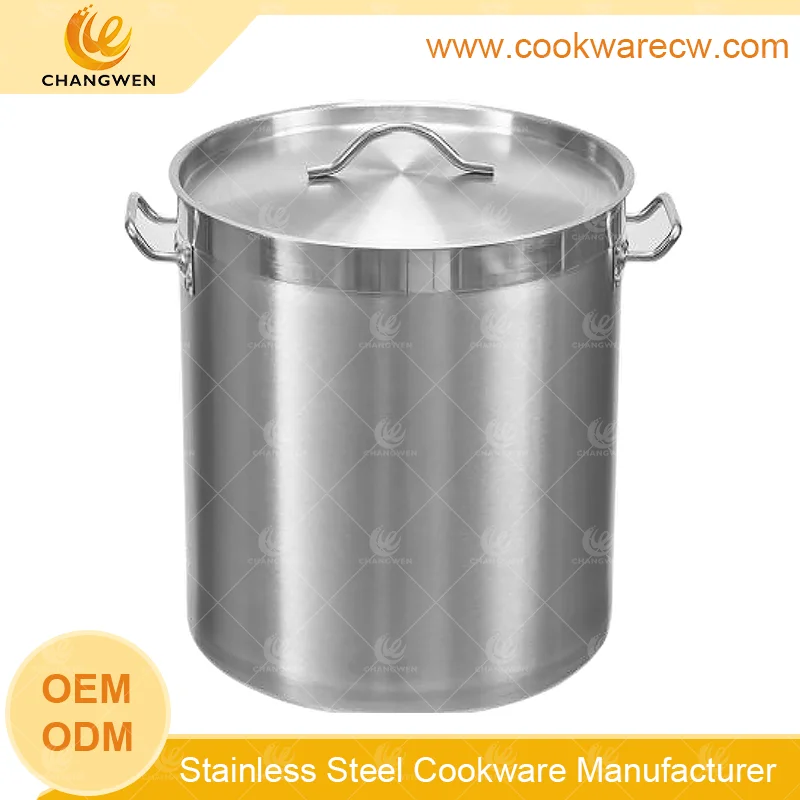
Heavy duty stock pots stainless steel are specifically engineered to withstand the demanding conditions of high-volume cooking environments. These pots feature thicker gauge steel, reinforced handles, and robust construction that can handle daily use in busy restaurants, catering operations, and institutional kitchens. The heavier gauge metal not only increases durability but also improves heat distribution and retention, which is crucial for maintaining consistent cooking temperatures when working with large quantities of food.
The weight of a heavy-duty pot might seem like a disadvantage at first, but it actually provides several benefits. The substantial mass helps prevent warping from high heat, reduces the likelihood of dents and dings during storage and handling, and contributes to more stable, even cooking. Professional chefs appreciate heavy duty construction because these pots maintain their shape and performance characteristics even after years of intensive use, making them a smart long-term investment for any serious cooking operation.
Choosing the Right Stainless Steel Stock Pot Size
Selecting the appropriate size for your stainless steel stock pot is perhaps the most important decision you’ll make. Too small, and you’ll struggle with boil-overs and insufficient capacity during important cooking projects. Too large, and you’ll waste energy heating excess space and struggle with proper storage. The key is matching pot size to your typical cooking volumes while allowing some room for growth in your culinary ambitions.
For most home kitchens, capacity needs fall somewhere between 8 quarts and 20 quarts. Consider not just the quantity of food you cook, but also the types of dishes you prepare most frequently. Stock-making requires tall sides and generous capacity to accommodate bones and aromatics covered with water. Pasta cooking benefits from volume that allows noodles to move freely in rapidly boiling water. Large-batch soups and stews need room for ingredients to simmer without crowding.
Small to Medium Sizes: 6-12 Quart Options
The 8 quart stainless steel stock pot serves as an excellent entry point for individuals and small families. This size comfortably handles everyday tasks like cooking pasta for four people, making a pot of soup for weeknight dinners, or preparing vegetables for canning. Despite its relatively compact size, an 8-quart pot still provides enough capacity for small-batch stock-making and can accommodate a whole chicken for poaching or soup.
Moving up to a 12 qt stainless steel stock pot gives you significantly more versatility without becoming unwieldy. This mid-sized option is perfect for families and those who enjoy meal prepping. You can cook enough pasta for six to eight people, make substantial batches of chili or curry, and create rich stocks without filling your pot to the brim. Many cooks find that a 12-quart pot represents the sweet spot between capacity and manageability, especially when paired with quality construction features like an encapsulated base.
The 6 quart stainless steel stock pot, while smaller, fills a specific niche for couples or individuals who want the benefits of a proper stock pot without the bulk of larger models. This size works wonderfully for everyday soups, cooking grains, blanching vegetables, and making sauces. It’s also an excellent secondary pot for those who already own a larger model but need something more appropriately sized for smaller cooking tasks.
Popular Medium to Large Sizes: 16-24 Quart Range
The 16 qt stainless steel stock pot represents a significant step up in capacity, making it ideal for serious home cooks who frequently entertain or engage in extensive meal preparation. This size allows you to make restaurant-quality stocks with multiple chicken carcasses or beef bones, cook pasta for a dozen people, or prepare large batches of soup for freezing. Many avid canners also appreciate this size for processing preserves and pickles.
When you need truly impressive capacity, the 20 qt stainless steel stock pot delivers. This professional-sized pot is common in restaurant kitchens but increasingly popular among home cooks who embrace batch cooking and food preservation. A 20-quart pot can accommodate an entire turkey for making stock, cook corn on the cob for a large gathering, or prepare enough chili to feed an army. The substantial size does require adequate storage space and a stove with appropriately sized burners to heat effectively.
The 24 qt stainless steel stock pot pushes into serious commercial territory. While some ambitious home cooks invest in this size for major entertaining or extensive food preservation projects, it’s primarily designed for professional kitchens that regularly prepare food in volume. This size excels at making large batches of soups, stocks, and sauces that can be portioned and stored for future use, making it an essential tool for catering operations and high-volume restaurants.
Extra Large Capacity: 30-40+ Quart Options
For institutional kitchens, catering companies, and large-scale food production, the 30 qt stock pot stainless steel and 40 qt stock pot stainless steel provide the massive capacity needed to cook for crowds. These industrial-sized pots feature reinforced handles, extra-thick bases, and construction designed to withstand the rigors of all-day cooking. A 30-quart pot can prepare soup for 40-50 people, while a 40-quart model can handle even larger gatherings.
The 32 qt stock pot stainless steel offers another option in this large-capacity range, providing a middle ground between the 30 and 40-quart sizes. These substantial pots require proper equipment to handle safely—heavy-duty ranges with high-BTU burners, adequate clearance for the tall sides, and often assistance from a second person when moving the pot while full. Despite these considerations, restaurants, schools, hospitals, and other institutional kitchens depend on these large-capacity pots daily to meet their high-volume cooking demands.
Essential Features of Quality Stainless Steel Stock Pots
Beyond size and basic material construction, several key features distinguish exceptional stainless steel stock pots from mediocre ones. These design elements affect everything from cooking performance to ease of use and long-term durability. Understanding which features matter most for your specific cooking needs helps you invest in a pot that will serve you well for decades.
Quality construction begins with the pot’s base. Look for pots with an encapsulated or tri-ply base that extends at least partially up the sides. This multi-layered construction typically sandwiches a core of aluminum or copper between layers of stainless steel, creating a composite that combines the best properties of each metal. The aluminum or copper provides excellent heat conductivity, preventing hot spots and ensuring even cooking, while the stainless steel offers durability and a non-reactive cooking surface.
The Importance of a Well-Fitting Lid
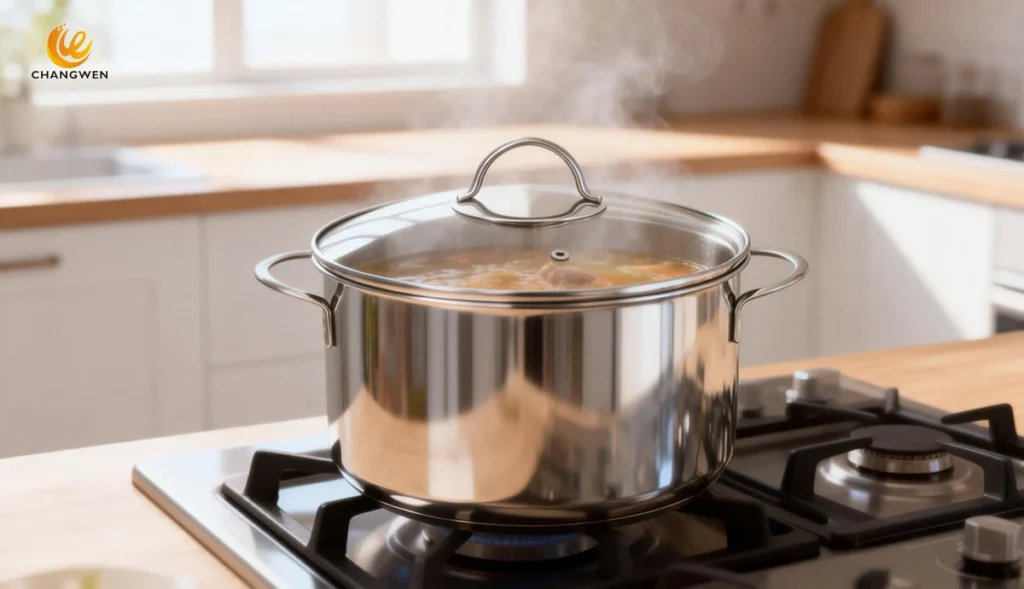
A properly designed stainless steel stock pot with lid is essential for efficient cooking. The lid should fit snugly enough to trap steam and maintain consistent internal temperature, yet not so tightly that it creates a dangerous seal. Many quality lids feature a small vent or are designed to allow just enough steam to escape, preventing pressure buildup while minimizing evaporation. This design is particularly important for long-simmering stocks and braises where you want to retain moisture but prevent the dangerous pressure accumulation.
The construction of the lid itself matters significantly. Stainless steel stock pot lids should be made from the same quality material as the pot body, with handles that remain cool to the touch or are clearly designed to be used with pot holders. Some premium models feature tempered glass lids that allow you to monitor cooking progress without lifting the lid and releasing heat. While traditional all-metal lids are more durable and typically preferred in commercial settings, glass lids offer the convenience of visibility that many home cooks appreciate.
Handle Design and Durability
Handles represent one of the most critical safety features of any stock pot. Look for handles that are solidly riveted rather than welded, as riveted construction provides superior strength and longevity. The handles should be large enough to grasp comfortably even while wearing oven mitts, and positioned to provide balanced lifting points. Many professional-grade pots feature loop handles on opposite sides that allow two people to safely lift a full pot.
The material and design of handles affect both usability and safety. Stainless steel handles that are hollow or designed with air gaps remain cooler during cooking than solid metal handles. Some models incorporate heat-resistant materials like silicone or coated grips that make handling more comfortable, though these materials may not be suitable for oven use. For pots that frequently go into the oven, all-metal handle construction is preferable, even if it requires using pot holders for handling.
Tri-Ply Construction and Heat Distribution
A tri ply stainless steel stock pot features three layers of metal bonded together to create superior cooking performance. The typical construction places an aluminum core between inner and outer layers of stainless steel. This design leverages aluminum’s excellent heat conductivity while maintaining stainless steel’s durability and non-reactive properties on all surfaces that contact food or show to the outside.
The quality of tri-ply construction varies significantly between manufacturers. Premium pots extend the multi-layer construction all the way up the sides, not just on the base. This “fully clad” design provides even more consistent heating and prevents the walls from becoming hot spots. While fully clad pots cost more, they offer noticeably superior performance, especially for recipes that require precise temperature control or involve frequent stirring that might cause food to stick to the pot walls.
Specialized Stainless Steel Stock Pot Options
Beyond standard stock pots, manufacturers offer several specialized designs that add convenience and functionality for specific cooking tasks. These variations address common cooking challenges and can significantly streamline certain types of food preparation. Understanding these specialty options helps you decide whether investing in a specialized pot makes sense for your cooking style.
Each specialized design solves a particular problem that home and professional cooks encounter regularly. While a basic stock pot can certainly handle most cooking tasks with some workarounds, specialized features can save time, reduce mess, and make cooking more enjoyable. Consider which tasks you perform most frequently and whether a specialized pot would meaningfully improve your cooking experience.
Stainless Steel Stock Pot with Strainer
A stainless steel stock pot with strainer incorporates a perforated insert that fits inside the main pot. This design allows you to easily lift out pasta, vegetables, or other foods while leaving the cooking liquid behind. The strainer insert eliminates the need to carefully pour hot, heavy pots into a separate colander—a task that poses burn risks and often results in pasta water all over the sink and surrounding counters.
These dual-function pots excel at pasta cooking, where you can simply lift out the strainer basket when noodles reach perfect doneness. They’re equally useful for blanching vegetables, cooking shellfish, or any task where you need to separate solid foods from cooking liquid quickly and safely. Some models feature multiple strainer inserts with different perforation sizes, making them versatile enough for various cooking applications from delicate rice to large pasta shapes.
Stainless Steel Stock Pot with Spigot
For operations that frequently need to dispense liquids—think soups at a buffet, hot beverages at catered events, or stocks that will be portioned into smaller containers—a stainless steel stock pot with spigot provides unmatched convenience. The spigot, typically mounted near the base of the pot, allows controlled pouring without lifting or tilting a heavy, hot pot. This feature dramatically improves safety and reduces the physical strain of serving or transferring liquids.
The quality of the spigot mechanism matters significantly. Look for all-metal construction with gaskets designed for high-temperature use. The spigot should open and close smoothly but securely, preventing drips when closed. Some models feature removable spigots for thorough cleaning, which is essential for maintaining hygiene standards. While pots with spigots cost more than standard models, their convenience makes them invaluable for anyone regularly serving soups, beverages, or other liquids to groups.
Stainless Steel Stock Pot Sets
A stainless steel stock pot set typically includes multiple pots in graduated sizes, allowing you to match pot size to each cooking task. Sets might include an 8 qt stainless steel stock pot, 12 qt stainless steel stock pot, and 16 qt stainless steel stock pot, covering the range most home cooks need. Buying a set often provides better value than purchasing pots individually, and ensures consistency in quality and cooking performance across your cookware collection.
When evaluating stock pot sets, check that all pieces feature the same high-quality construction as you’d expect in individual pots. The set should include matching lids for each pot, and all pieces should share similar handle designs and base construction. Some sets mix stock pots with other cookware pieces like sauce pans or Dutch ovens, which can be convenient but may not offer as much value if you specifically need multiple stock pot sizes.
Where to Buy Stainless Steel Stock Pots
Finding the right stainless steel stock pot involves knowing where to shop and what to look for in both product offerings and retailer reputation. Different types of retailers offer distinct advantages, from hands-on inspection opportunities to competitive pricing and specialized selection. Understanding your options helps you make an informed purchase that balances quality, price, and convenience.
The market for stainless steel stock pots ranges from budget-friendly options at big-box retailers to premium professional-grade pots from specialty suppliers. Your ideal shopping destination depends on factors including your budget, the pot’s intended use, how quickly you need it, and whether you want to inspect the pot in person before purchasing. Let’s explore various shopping options and what each offers.
Stainless Steel Stock Pot Near Me: Local Shopping Options
Searching for “stainless steel stock pot near me” reveals several local shopping options worth exploring. Restaurant supply stores often welcome retail customers and stock commercial-grade cookware at competitive prices. These stores understand the demands of professional cooking and curate their inventory accordingly, meaning you’ll find durable, well-constructed pots designed for intensive use. Staff at these locations typically have genuine cooking experience and can offer knowledgeable advice about which pots best suit your needs.
Home improvement stores and kitchen specialty retailers provide another local option, often carrying well-known cookware brands and offering the advantage of hands-on inspection before purchase. You can assess the weight, check handle comfort, examine construction quality, and compare different models side by side. Many of these stores also offer generous return policies, providing peace of mind if the pot doesn’t meet your expectations once you get it home.
Department stores and big-box retailers stock stainless steel stock pots in their housewares sections, often at attractive price points. While selection may be more limited compared to specialty stores, you’ll find options suitable for most home cooking needs. These stores frequently run sales and promotions, making it possible to find quality pots at significant discounts during seasonal events.
Online Retailers and Specialty Suppliers
Online shopping opens access to an enormous range of stainless steel stock pots from budget models to premium professional-grade options. Major e-commerce platforms offer extensive selections with customer reviews that provide real-world insight into performance and durability. Shopping online allows easy price comparison across brands and retailers, though you sacrifice the ability to physically inspect pots before purchase.
Restaurant supply websites cater specifically to commercial kitchens but typically sell to anyone. These suppliers offer heavy duty stock pots stainless steel designed for professional use, often at prices competitive with consumer-grade cookware. Many provide detailed specifications including gauge thickness, handle construction, and base design—information that helps you make informed comparisons. Buying from restaurant suppliers often means accessing commercial-quality equipment that will outlast consumer-grade alternatives by years or even decades.
Evaluating Value: Quality vs. Price
When shopping for a stainless steel stock pot, resist the temptation to choose based solely on price. A cheap pot might seem economical initially, but poor heat distribution, thin construction that warps, or handles that loosen after minimal use will cost you more in the long run through replacement needs and frustrating cooking experiences. Quality pots from reputable manufacturers often cost more upfront but deliver decades of reliable service.
Look for indicators of quality construction: thick, heavy gauge steel; securely riveted handles; smooth, well-finished edges; and substantial, well-fitting lids. Check the base for multi-ply construction rather than just a disc of metal applied to the bottom. Read reviews from other buyers, paying particular attention to comments about longevity and how pots perform after months or years of use. A moderately priced pot with excellent construction often provides better value than either a bottom-tier budget option or an overpriced premium brand trading more on name recognition than actual superior quality.
Stainless Steel vs. Aluminum Stock Pots
The debate between stainless steel and aluminum stock pots represents one of the fundamental choices in cookware selection. Each material offers distinct advantages and limitations that affect cooking performance, durability, maintenance, and price. Understanding these differences helps you choose the material that best aligns with your cooking style, budget, and priorities.
Both materials have earned their place in professional and home kitchens, and many serious cooks own pots made from each material for different applications. Rather than declaring one material universally superior, it’s more useful to understand how each performs and which characteristics matter most for your specific needs. Let’s examine the key differences that should inform your decision.
Heat Conductivity and Distribution
Aluminum excels at heat conductivity, responding quickly to temperature changes and distributing heat efficiently across the entire cooking surface. This rapid response makes aluminum pots excellent for tasks requiring precise temperature control or frequent adjustments. However, pure aluminum’s soft nature means it dents easily, and it can react with acidic ingredients, potentially affecting flavor and appearance.
Stainless steel, conversely, is a relatively poor heat conductor on its own. This is why quality stainless steel stock pots incorporate aluminum or copper cores in their bases—to leverage that metal’s superior conductivity while maintaining stainless steel’s other desirable properties. A well-designed tri ply stainless steel stock pot with an aluminum core heats nearly as efficiently as an aluminum pot while offering better durability and a non-reactive cooking surface.
Durability and Maintenance Considerations
Stainless steel’s durability is legendary. It resists dents, scratches, and corrosion far better than aluminum, maintaining its appearance and performance through years of heavy use. Stainless steel doesn’t react with acidic or alkaline foods, meaning you can cook anything without concern about off-flavors or discoloration. The material tolerates high heat without warping and cleans up beautifully with proper care, though it does require more attention than non-stick surfaces to prevent food from sticking.
Aluminum pots, particularly uncoated versions, require more careful handling and maintenance. The metal is softer and more prone to denting and scratching. Aluminum can react with acidic ingredients like tomatoes or wine, potentially causing discoloration and metallic flavors. Many modern aluminum pots feature anodized or coated surfaces that eliminate reactivity concerns, but these treatments add cost and may eventually wear away with heavy use.
Price and Value Comparison
Budget-conscious shoppers often gravitate toward aluminum stock pots due to their lower initial cost. Basic aluminum pots can be found at very attractive price points, making them accessible for tight budgets or situations where cookware might face hard use or potential loss. For commercial operations buying multiple pots, the cost savings of aluminum can be substantial.
Quality stainless steel stock pots command higher prices, reflecting the more expensive raw materials and often more sophisticated construction. However, when you factor in longevity, the price difference narrows. A premium stainless steel pot might last 20-30 years or more with proper care, while an aluminum pot may need replacement after 5-10 years of similar use. For many buyers, the combination of durability, versatility, and non-reactivity makes stainless steel the better value despite higher upfront costs.
Can a Stainless Steel Stock Pot Go in the Oven?
Yes, a stainless steel stock pot can absolutely go in the oven, and this versatility represents one of the material’s greatest advantages. The question isn’t whether it’s oven-safe, but rather what temperature limitations apply and whether specific design features affect oven use. Understanding these nuances helps you safely leverage your stock pot’s full capabilities.
Most stainless steel stock pots tolerate oven temperatures up to at least 500°F, with many commercial-grade pots rated even higher. The pot body itself handles high heat without issue, but other components may have limitations. Handles, lids, and any plastic or rubber elements determine the practical oven-safe temperature for your specific pot.
Temperature Limitations and Handle Materials
All-metal construction with stainless steel or cast handles allows the highest oven temperatures. These pots can typically withstand 550°F or higher, limited only by your oven’s maximum temperature. The substantial thermal mass of a full pot means handles remain surprisingly manageable even at high temperatures, though you should always use pot holders or oven mitts when removing pots from the oven.
Some stock pots feature handles with silicone grips, rubber coatings, or other heat-resistant but not heat-proof materials. These enhance comfort during stovetop cooking but may limit oven use to lower temperatures, typically 350-400°F. Check your pot’s documentation for specific temperature ratings. If your pot has these types of handles and you need to use it at higher temperatures, many manufacturers offer replacement all-metal handles, or you can carefully wrap existing handles with aluminum foil for occasional high-heat use.
Best Practices for Oven Use
When using a stainless steel stock pot in the oven, remember that the entire pot becomes extremely hot. Unlike stovetop cooking where only the base heats significantly, oven use means the sides, handles, and lid all reach oven temperature. Always use oven mitts, never towels or pot holders that might not provide adequate protection. Place the pot on a stable oven rack with adequate clearance above for the lid if covered.
Be mindful of oven capacity when using large stock pots. A 20 qt stainless steel stock pot or larger may not fit comfortably in standard residential ovens, or might block heat circulation if positioned awkwardly. When braising or slow-cooking in the oven, ensure adequate airflow around the pot for even heating. Remember that a heavy pot full of liquid represents significant weight—make sure your oven racks are properly installed and capable of supporting the load.
Maintaining and Caring for Your Stainless Steel Stock Pot
Proper care ensures your stainless steel stock pot maintains its performance and appearance for decades. While stainless steel is remarkably durable and low-maintenance compared to other materials, following best practices for cleaning, storage, and use prevents common problems and keeps your pot functioning optimally. A little attention to maintenance pays dividends in longevity and continued cooking excellence.
The beauty of stainless steel cookware lies partly in its resilience—it can withstand vigorous cleaning, high heat, and daily use without degrading. However, certain practices will preserve its appearance and prevent issues like discoloration, stuck-on residue, or loosened handles. Developing good habits around pot care becomes second nature quickly and takes minimal extra time.
Daily Cleaning and Stain Prevention
Clean your stainless steel stock pot promptly after use, once it has cooled sufficiently to handle safely. Avoid plunging a hot pot into cold water, as thermal shock can cause warping, particularly with large pots or those with thinner construction. Allow the pot to cool naturally for 10-15 minutes, then rinse with warm water and wash with dish soap and a soft sponge or cloth.
For everyday messes, warm soapy water and gentle scrubbing remove most food residue. For stuck-on food, fill the pot with water, add a squirt of dish soap, and bring to a simmer on the stove. Let it simmer for 10-15 minutes, then turn off the heat and allow the pot to cool. The stuck food should loosen easily, and you can finish cleaning with a soft scrubber. This method works better than harsh abrasive cleaners that might scratch the surface.
Dealing with Discoloration and Tough Stains
Even with careful use, stainless steel occasionally develops discoloration, cloudiness, or stubborn stains. Blue or rainbow discoloration typically results from high heat and doesn’t affect performance, though it may be aesthetically displeasing. To remove these marks, make a paste of baking soda and water, apply it to the affected areas, and gently scrub with a soft cloth. Rinse thoroughly and dry.
White chalky spots indicate mineral deposits from hard water. Remove these by bringing a solution of one part vinegar to three parts water to a boil in the pot, then letting it cool and washing normally. For tough burnt-on residue, a commercial stainless steel cleaner like Bar Keeper’s Friend works wonders. Apply according to package directions, scrub gently, and rinse thoroughly. These cleaners contain oxalic acid that safely removes stains without scratching the surface.
Long-Term Maintenance and Storage
Store stainless steel stock pots with lids slightly ajar or off to allow air circulation and prevent musty odors. If stacking multiple pots, consider placing cloth or paper towels between them to prevent scratching. Periodically inspect handles and rivets, tightening any that have loosened and checking for cracks or damage that could compromise safety.
Some cooks like to occasionally polish their stainless steel stock pots to maintain a brilliant shine. This is purely aesthetic and doesn’t affect cooking performance, but if you enjoy the appearance of highly polished cookware, a stainless steel polish applied according to manufacturer directions will restore the original luster. For most users, keeping pots clean and free from buildup is sufficient, and the natural patina that develops with use doesn’t diminish performance in any way.
Using Your Stainless Steel Stock Pot Effectively
Owning a quality stainless steel stock pot is just the beginning—using it effectively requires understanding some fundamental techniques that maximize its performance. While stainless steel is forgiving and versatile, a few simple practices ensure food cooks evenly, doesn’t stick excessively, and the pot continues functioning optimally. These techniques apply whether you’re making stock, boiling pasta, or preparing a hearty stew.
Many cooks who are new to stainless steel cookware initially struggle with food sticking, particularly when browning meats or sautéing vegetables before adding liquid. Unlike non-stick pots, stainless steel requires slightly different technique, but once mastered, it delivers superior browning and fond development that builds incredible flavor in your finished dishes.
Preheating and Temperature Management
Proper preheating is crucial for cooking success with stainless steel. Place your empty pot on the burner and turn the heat to medium. Allow the pot to heat for 2-3 minutes before adding oil or fat. To test if it’s ready, drop a small amount of water onto the surface—if it beads up and rolls around rather than immediately evaporating, the pot is at the right temperature.
Add oil or butter to your preheated pot and allow it to heat until it shimmers (for oil) or foams subside (for butter). This hot fat creates a temporary non-stick surface that prevents food from adhering to the steel. If you add food to a cold pot or before the oil is properly heated, sticking is almost inevitable. This technique is especially important when browning meat or sautéing aromatics before making soups or stews.
Building Flavor Through Fond Development
One of stainless steel’s greatest advantages is its ability to develop fond—those flavorful browned bits that stick to the pot bottom during cooking. When making stock or soup, brown meat or aromatic vegetables first in a small amount of oil. The caramelization creates rich flavor, and the stuck-on bits (fond) dissolve back into your liquid when you deglaze the pot, enriching your final dish.
After browning ingredients and removing them from the pot, add a small amount of liquid—wine, stock, or even water—to the still-hot pot. Use a wooden spoon to scrape the bottom, loosening all those browned bits. This deglazing process captures concentrated flavor that would otherwise be lost. Pour this liquid into your stock or soup along with the other ingredients, and you’ll notice a significant depth of flavor that simply can’t be achieved with non-stick cookware.
Managing Liquids and Preventing Boil-Overs
Large stock pots can hold substantial volumes of liquid, but filling them too full invites boil-overs and messy cleanups. Leave at least 3-4 inches of headroom below the pot’s rim to allow for bubbling and expansion during cooking. This is particularly important when cooking pasta, making stock, or preparing anything that might foam or boil vigorously.
Adjust heat to maintain a gentle simmer rather than a rolling boil for most stock pot applications. A simmer provides adequate heat for cooking while minimizing evaporation and preventing vigorous bubbling that can cause spillovers. For stock-making specifically, you want just a few lazy bubbles breaking the surface—anything more vigorous can cloud your stock and emulsify fats into the liquid rather than letting them rise to the surface where they can be skimmed away.
Common Mistakes to Avoid with Stainless Steel Stock Pots
Even experienced cooks sometimes make mistakes that compromise cooking results or potentially damage their stainless steel stock pots. Understanding these common pitfalls helps you avoid them and get the most from your cookware investment. Many of these mistakes are easy to prevent once you’re aware of them.
These errors range from minor inconveniences like stuck food to potentially serious problems like warped pots or dangerous handling situations. Taking a moment to consider proper technique and care prevents frustration and ensures your stock pot delivers excellent performance for years to come.
Thermal Shock and Warping
Never plunge a hot stainless steel stock pot into cold water or add cold water to an extremely hot pot. This thermal shock can cause warping, particularly with thinner-gauge pots or those with encapsulated bases where different metals expand at different rates. Warped pots don’t sit flat on burners, leading to uneven heating and unstable placement on the stovetop.
Allow pots to cool gradually before washing. If you need to cool a pot more quickly, fill it with warm water first, then gradually add cooler water as the pot temperature decreases. This gentler temperature transition protects the pot’s structure and helps prevent warping. This caution is particularly important with large 20 qt stainless steel stock pot or 30 qt models where the substantial size makes them more susceptible to thermal stress.
Overcrowding and Poor Heat Distribution
Trying to cook too much food in your stock pot at once leads to disappointment. Overcrowding causes several problems: food steams rather than browns, cooking temperature drops significantly when cold ingredients are added, and ingredients in the center may cook differently than those around the pot’s perimeter. This is particularly problematic when trying to brown meat or develop fond before making soup or stock.
Work in batches when browning large quantities of ingredients. It takes slightly more time, but the superior flavor development and even cooking make it worthwhile. Similarly, when making stock, ensure ingredients are covered with liquid but not packed so tightly that water can’t circulate freely. Proper circulation allows heat to distribute evenly and helps extract maximum flavor from bones and aromatics.
Ignoring Handle and Lid Maintenance
Handles and lids receive significant stress during normal use, particularly on large, frequently-used pots. Periodically inspect rivets and screws to ensure they remain tight. Loose handles pose serious safety risks when lifting heavy pots full of hot liquid. Most riveted handles cannot be tightened if they loosen, but catching loosening early might prevent the rivet from failing completely.
Check lid fit periodically—lids can become slightly misshapen from drops or impacts, affecting how well they seal. A well-fitting lid is essential for maintaining cooking temperature and controlling evaporation. If your lid develops a gap or no longer sits properly, consider replacing it rather than working with compromised equipment. Most manufacturers sell replacement lids separately, and using a properly fitting lid ensures optimal cooking performance.
Industry Applications and Professional Use
Stainless steel stock pots serve as workhorses in virtually every type of commercial kitchen and food service operation. The demands of professional cooking—high-volume production, intensive daily use, and strict sanitation requirements—make stainless steel the overwhelming material of choice for commercial stock pots. Understanding how professionals use and select these pots provides valuable insights for home cooks as well.
Commercial operations cannot afford equipment failures or poor performance that slows down service. This is why professional kitchens invest in heavy duty stock pots stainless steel specifically designed for the demanding pace and conditions they’ll encounter. The lessons professionals have learned about what works and what doesn’t can guide home cooks toward better equipment choices.
Restaurant and Commercial Kitchen Requirements
Restaurant kitchens typically maintain several stainless steel stock pots in various sizes to handle different tasks simultaneously. A well-equipped professional kitchen might have an 8 qt stainless steel stock pot for sauces, a 16 qt stainless steel stock pot for daily soup production, a 20 qt stainless steel stock pot for stocks and large-batch soups, and even 30-40 quart models for preparing menu items in bulk for busy service periods.
Professional operations prioritize durability and performance over aesthetics. Commercial-grade pots feature heavy-gauge construction, reinforced handles, and bases designed for high-BTU restaurant burners. Many professional pots sacrifice the mirror finish of consumer cookware for brushed or satin finishes that hide wear better and require less maintenance while performing identically. These pots undergo daily intensive use—full of liquid, on the heat for hours, cleaned dozens of times—and must maintain performance without failing.
Institutional and High-Volume Operations
Schools, hospitals, military facilities, and other institutional kitchens rely on large-capacity stainless steel stock pots to feed hundreds or thousands of people daily. These operations typically use 30 qt, 40 qt, or even larger stock pots sized to their serving volumes. Institutional buyers prioritize value differently than restaurants, seeking pots that will last decades with minimal maintenance while meeting strict food safety and sanitation standards.
Institutional pots often feature welded handles for even greater durability than riveted construction, spigots for easy dispensing, and graduation marks inside to facilitate portion control and recipe scaling. Many institutional operations standardize on specific brands or models across their facilities, simplifying equipment replacement, training, and inventory management. The intense use in these environments proves the exceptional durability of quality stainless steel construction.
Catering and Event Food Preparation
Caterers face unique challenges that make stainless steel stock pots essential equipment. They must transport equipment to various venues, work in temporary kitchens with varying equipment, and prepare food in large batches for events of different sizes. A stainless steel stock pot set including several sizes provides the versatility caterers need to adapt to different event requirements.
Mobile catering operations particularly value stainless steel’s durability—pots must withstand transport in vehicles, setup in unfamiliar kitchens, intensive use during event preparation, and breakdown and cleaning afterward. The material’s non-reactive properties mean caterers can prepare any type of cuisine without cross-contamination concerns, and the pots clean up easily for the next event. Many caterers invest in pots with spigots for serving soups or beverages at events, appreciating the convenience and professional presentation this feature provides.
Related Resources and Additional Information
Understanding stainless steel stock pots represents just one aspect of building a well-equipped kitchen. Your stock pot works alongside other essential cookware pieces to create a cohesive cooking arsenal. Exploring how different pieces of equipment complement each other helps you make informed decisions about where to invest your equipment budget for maximum versatility and value.
Professional-quality cookware requires matching equipment to complete your kitchen setup. Whether you’re outfitting a home kitchen with restaurant-quality equipment or establishing a commercial operation, understanding how different pieces work together ensures you build a kitchen that supports efficient, enjoyable cooking.
Complementary Cookware and Equipment
Your stainless steel stock pot pairs naturally with quality sauce pans, sauté pans, and roasting pans to cover all your cooking needs. Many cooks find that investing in one exceptional large stock pot (like a 16 qt or 20 qt model) plus a smaller 8 qt pot for everyday tasks provides the capacity range they need while leaving budget for other essential pieces.
Consider the heat source you’ll use with your stock pots. Gas ranges provide the most responsive temperature control and highest BTU output for quickly bringing large volumes to boil. Electric and induction cooktops work well with stainless steel stock pots, though you should verify that pots have magnetic bases for induction compatibility. Professional-style ranges with high-output burners take full advantage of large stock pot capacity for serious cooking projects.
Storage solutions matter when you own large cookware pieces. Wall-mounted pot racks keep bulky stock pots accessible without consuming valuable cabinet space. For commercial kitchens, mobile shelving systems allow easy access to frequently-used pots while keeping them organized and sanitary. Consider your storage capacity when deciding what sizes to purchase—that massive 40 qt pot isn’t practical if you have nowhere to put it when not in use.
Continuing Education and Technique Development
Learning to use stainless steel cookware effectively takes practice, but numerous resources can accelerate your skill development. Cooking schools and community education programs often offer classes focused specifically on fundamental techniques that work best with stainless steel. These hands-on experiences provide immediate feedback and allow you to ask questions as they arise.
Online cooking communities and video tutorials demonstrate proper techniques for preheating, browning, deglazing, and all the skills that maximize stainless steel stock pot performance. Watching experienced cooks work with similar equipment helps you understand subtle technique points that make the difference between frustrating experiences and cooking success. Don’t hesitate to invest time in developing your skills—they’ll serve you throughout your cooking life.
Professional cookbooks often include equipment recommendations and technique explanations specifically for the recipes they contain. Books focused on stocks, soups, and braises provide particularly relevant information for stock pot users. Building your cooking knowledge alongside your equipment collection ensures you can fully leverage the capabilities of quality tools like stainless steel stock pots.
Frequently Asked Questions About Stainless Steel Stock Pots
Can a stainless steel stock pot go in the oven, and what temperatures are safe?
Yes, stainless steel stock pots are oven-safe, typically tolerating temperatures up to 500-550°F or higher. The pot body itself handles high heat easily, but temperature limits depend on handle and lid materials. Pots with all-metal construction and stainless steel handles withstand the highest temperatures, while pots featuring silicone grips or rubber components may be limited to 350-400°F. Always check your specific pot’s documentation for temperature ratings. Remember that the entire pot becomes extremely hot in the oven, so always use oven mitts when handling.
Which is better: aluminum or stainless steel stock pot?
Neither material is universally “better”—each offers distinct advantages. Aluminum conducts heat more efficiently and costs less, making it excellent for rapid heating and budget-conscious buyers. However, aluminum dents more easily and can react with acidic foods, potentially affecting flavor. Stainless steel offers superior durability, non-reactive cooking surfaces, and longevity that often outlasts aluminum by decades. Modern tri-ply stainless steel stock pots incorporate aluminum cores, combining stainless steel’s durability with aluminum’s heat conductivity. For most home and professional cooks, quality stainless steel provides better long-term value despite higher initial costs.
Is there a stainless steel stock pot that doesn’t stick?
Stainless steel naturally has more sticking tendency than non-stick cookware, but proper technique virtually eliminates this issue. The key is preheating your pot thoroughly (2-3 minutes on medium heat), then adding oil and allowing it to heat until shimmering before adding food. This creates a temporary non-stick surface that prevents sticking. Additionally, avoid moving food immediately after adding it to the pot—let it develop a golden crust, which naturally releases from the surface. For stock-making and boiling applications, sticking rarely occurs. While truly non-stick stainless steel doesn’t exist, mastering these simple techniques makes sticking a non-issue.
Where is the best place to buy stainless steel stock pots?
Your best buying location depends on your priorities. For immediate needs and hands-on inspection, search “stainless steel stock pot near me” to find local restaurant supply stores, kitchen specialty shops, and department stores. Restaurant supply stores often offer commercial-grade quality at competitive prices with knowledgeable staff. For the widest selection and easy price comparison, online retailers provide access to every brand and size, often with customer reviews to guide decisions. Professional restaurant suppliers’ websites offer commercial-quality equipment at prices comparable to consumer-grade cookware. Consider warranty, return policies, and shipping costs when comparing options.
What size stainless steel stock pot should I buy for my family?
Size depends on your typical cooking volumes and household size. For singles or couples, an 8 quart stainless steel stock pot handles most needs including everyday soups and small-batch stock-making. Families of four to six benefit most from a 12 qt stainless steel stock pot, which provides versatility for family meals and modest entertaining. Serious home cooks who meal prep or frequently entertain should consider a 16 qt or 20 qt stainless steel stock pot for maximum flexibility. Many cooks find owning two pots—perhaps an 8 qt for everyday use and a 16-20 qt for larger projects—provides ideal versatility.
How do I clean and maintain my stainless steel stock pot?
Allow your pot to cool before washing to prevent thermal shock and warping. Clean with warm soapy water and a soft sponge for everyday messes. For stuck-on food, simmer water and dish soap in the pot for 10-15 minutes to loosen residue, then clean normally. Remove discoloration with a paste of baking soda and water, or use a commercial stainless steel cleaner like Bar Keeper’s Friend for tough stains. Avoid harsh abrasives that could scratch the surface. Dry thoroughly after washing to prevent water spots. Store with lids ajar to allow air circulation, and periodically check handles and rivets for tightness.
What’s the difference between 18/8 and 18/10 stainless steel?
These numbers indicate the chromium and nickel content—18/8 contains 18% chromium and 8% nickel, while 18/10 has 18% chromium and 10% nickel. Both grades resist corrosion and provide durable, non-reactive cooking surfaces. The additional nickel in 18/10 offers slightly better resistance to acidic foods and harsh cleaning chemicals, plus a more lustrous finish. For most cooking applications, both perform excellently. The 18/10 grade appears in premium cookware lines and professional kitchens, while 18/8 offers nearly identical performance at a more accessible price point. Either grade will serve you well for decades with proper care.
Do I need a stainless steel stock pot with a lid?
A stainless steel stock pot with lid is highly recommended for most cooking applications. The lid traps heat and moisture, maintaining consistent cooking temperature while minimizing evaporation—essential for stock-making, slow-simmering soups, and braising. A well-fitting lid should sit snugly enough to trap steam but allow some escape to prevent dangerous pressure buildup. Some pots include lids while others sell them separately. For versatility and proper cooking function, invest in a pot with a matching lid. The small additional cost pays dividends in cooking performance and efficiency.
What features should I look for in a heavy duty stainless steel stock pot?
Quality construction features include thick, heavy-gauge steel that resists warping and dents; a tri-ply or encapsulated base combining stainless steel with an aluminum or copper core for superior heat distribution; securely riveted handles large enough to grasp comfortably while wearing oven mitts; a substantial, well-fitting lid; and smooth, well-finished edges. For commercial use, NSF certification ensures the pot meets food safety and sanitation standards. A heavy duty stock pot should feel substantial in weight, indicating thick material construction. Check that handles feel solidly attached and the base sits perfectly flat—any wobbling indicates poor construction or warping.
Can I use a stainless steel stock pot on an induction cooktop?
Most modern stainless steel stock pots work on induction cooktops, but verify before purchasing. Induction cooking requires magnetic cookware bases, and not all stainless steel formulations are magnetic. Check product descriptions for “induction compatible” or “induction ready” designations. You can test existing pots by seeing if a magnet sticks to the base—if it does, the pot works with induction. Many quality stock pots feature magnetic stainless steel bases specifically designed for induction compatibility while maintaining excellent cooking performance on gas and electric ranges as well.
-
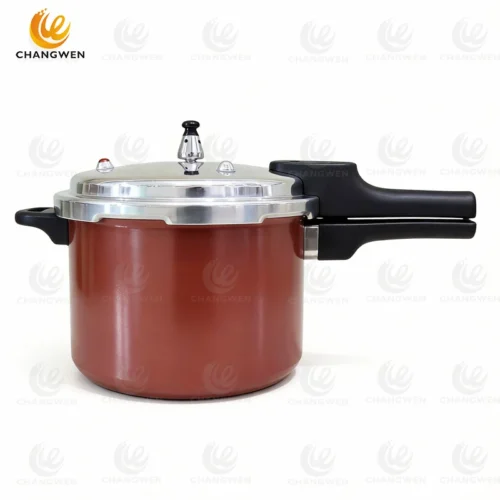
Pressure Cooker Aluminum – Single-Hand Rotation & Safety
-
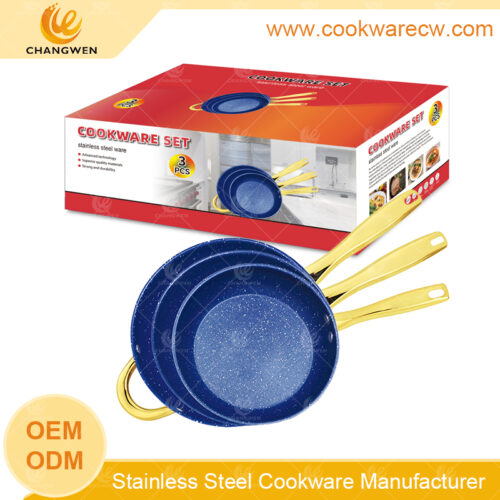
Factory wholesale stainless steel pans 3pcs blue marble nonstick fry pan set golden plated handles CW-M0301-02
-
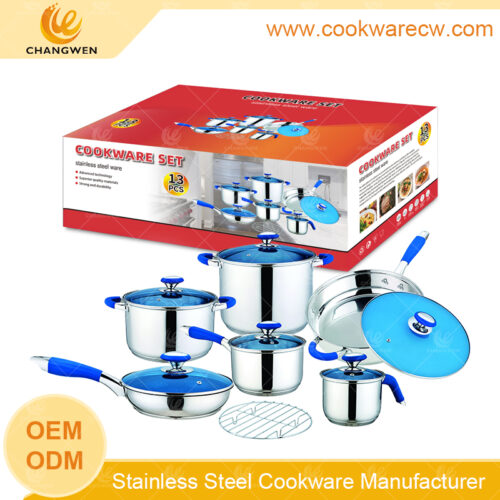
Newly Launched 13pcs stainless steel cookware set with iron wire rack grilled fry pan with helper mirror polished soup stock pot saucepan and casserole CW-M1306G-01
-
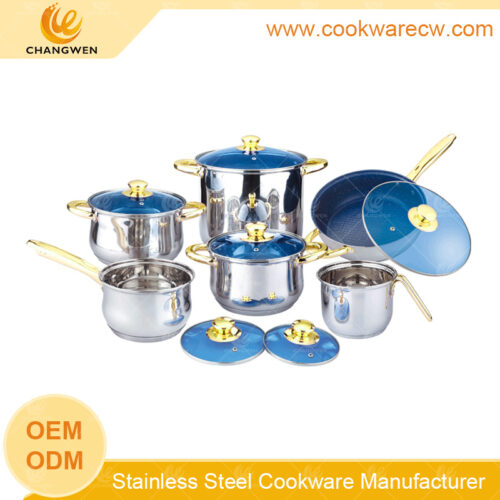
Safest Stainless Steel Cookware
-
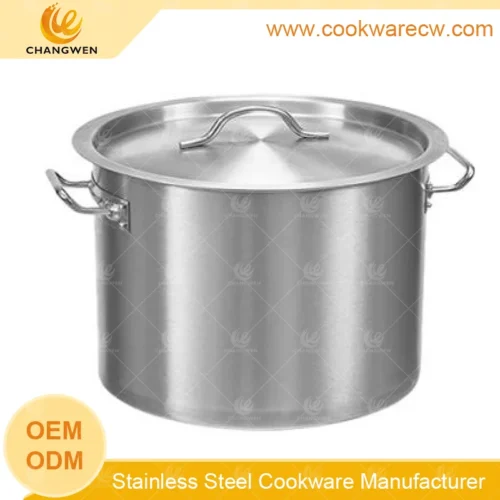
Stainless Steel Stock Pot For Restaurants CW-SP002
-
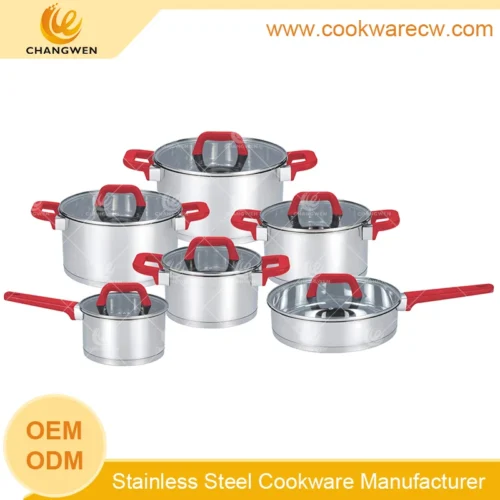
12-Piece Stainless Steel Cookware Set with Red Silicone Handles CW-ES1203G
-
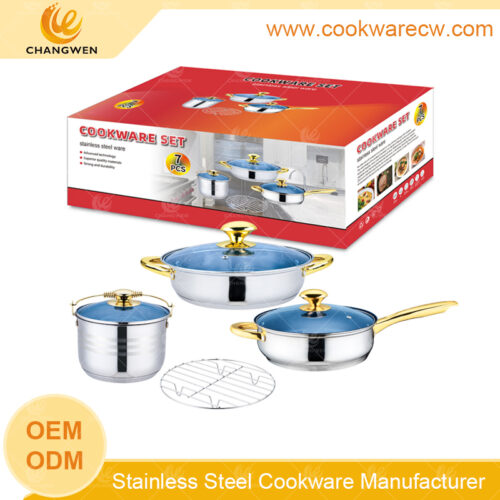
Stainless steel kitchen 7pcs cookware rice cooker with capsule bottom frypan with helper gold plated hollow handle and blue glass wire rack CW-M0701
-
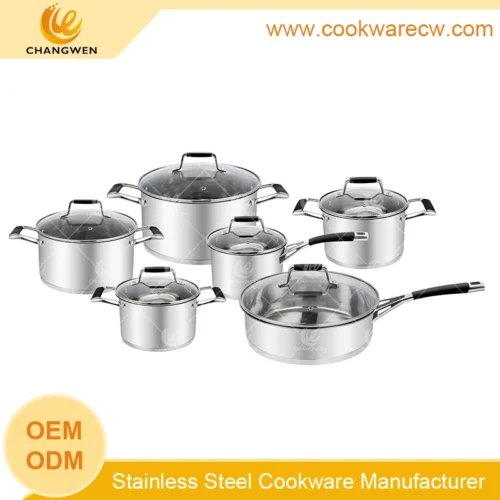
Premium 12-Piece Stainless Steel Cookware with Black Handles CW-ES1204G