
Estimated reading time: 13 minutes
Import a stovetop pressure cooker only after the supplier’s sample, safety evidence, instruction manual, and replacement parts can all be tied to the same model and revision. Choose stainless steel when a more durable-looking finish or a verified induction base supports the retail offer. Choose aluminum when a lighter product and a competitive landed price matter more. Both materials can be used in suitable pressure cookers. The purchase decision depends on the complete cooker, the destination market, and the supplier’s control over production changes.
This pressure cooker buying guide is for importers, distributors, and private-label teams buying household stovetop models for Mexico. An electric multicooker, commercial pressure vessel, or pressure canner needs its own scope review. A stovetop cooker’s capacity and finish are easy to compare from a catalog. Its locking behavior, approved part numbers, and supporting evidence deserve a separate review before the importer commits to packaging or inventory.
What should an importer define before requesting a quotation?
Define the intended market, heat sources, household size, retail channel, and target price before comparing pressure cooker offers. A supermarket line for gas-stove users might prioritize manageable weight and a familiar close-and-lock action. An appliance retailer may need documented induction compatibility and a clear explanation of cookware base size. A quote is useful only when the supplier knows which of those features the importer plans to print on the box.
Write separate purchase specifications for the nominal vessel capacity, the fill markings shown on the model, and the foods described in the manual. The capacity printed on a carton describes the vessel size. It cannot tell a shopper how much food or liquid may be pressure-cooked in one batch. Ask the supplier to show the markings and explain them in the model instructions, including any different guidance for foods that expand or foam. This helps customers select a useful size and reduces reliance on generic advice.
A two-size launch makes sense when the smaller and larger cookers serve distinct customers. Compare loaded handling, base footprint, body height with the lid fitted, and the amount of storage each model needs. A larger capacity can add value for batch cooking while making the cooker harder to move or fit into a cabinet. Record why each size belongs in the assortment and whether parts promised as shared really carry the same approved part number.
Should you import stainless steel or aluminum pressure cookers?
A stainless steel pressure cooker can suit a line positioned around finish, everyday durability, and compatibility with a broader range of cooktops. Ask how the body, lid, and base are constructed. Some stainless models use a bonded heat-spreading layer and an induction-compatible outer surface. The word stainless on the body provides little evidence about the base. Review the exact model’s underside drawing, finished weight, and validated cooktop claims when comparing offers.
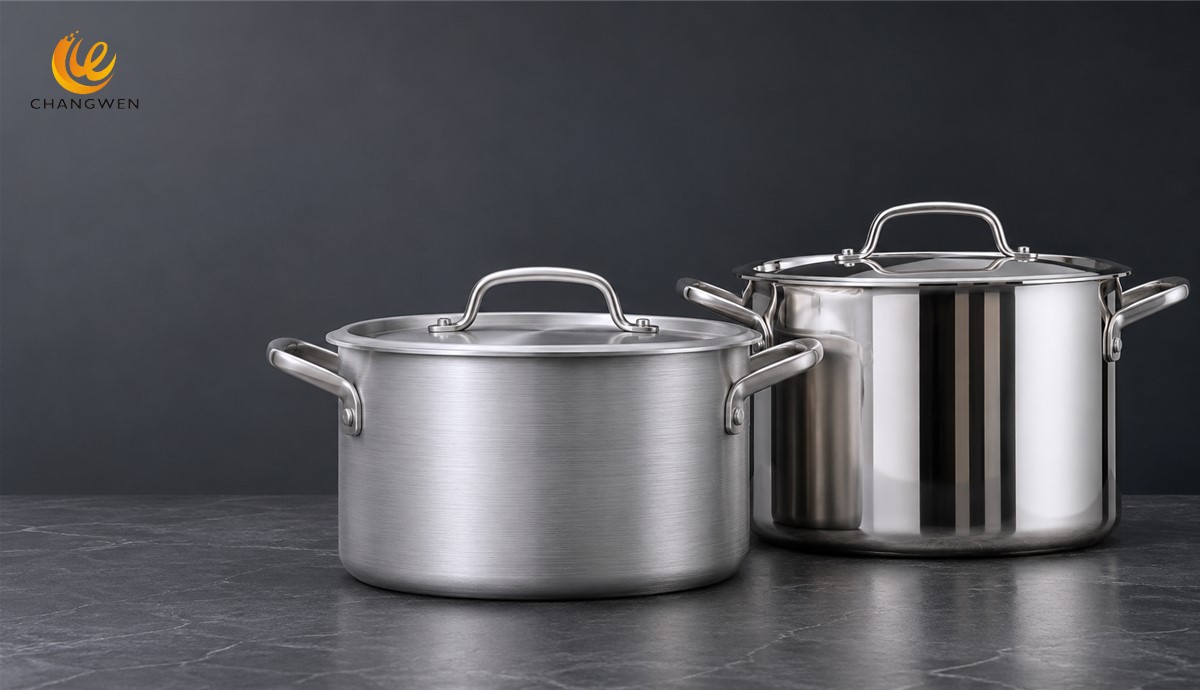
An aluminum pressure cooker can be a practical option when weight and initial price are priorities. Aluminum generally conducts heat readily, but heating behavior still depends on the finished base and the cooktop. Confirm the alloy or material specification, the interior finish and its care instructions, and whether the model includes an induction base if that is part of the offer. Compare the freight and applicable destination costs alongside the unit price. A lower factory quote can lose its advantage by the time the shipment is cleared and stocked.
| Purchasing criterion | Stainless steel model | Aluminum model | What to verify on both |
|---|---|---|---|
| Handling | May be heavier with a steel or multilayer base | Often lighter for a comparable capacity | Empty and representative loaded weight, handle clearance and balance |
| Heating | Performance depends on base construction, including any conductive layers | Performance depends on alloy, thickness and any attached base | Exact supported cooktops and base footprint |
| Finish and care | Finish and cleaning instructions depend on the model | Plain, treated, and coated surfaces can need different care | Production sample finish and model-specific manual |
| Cost and support | Can suit a higher price position when features justify it | Can suit a value tier when the delivered cost supports it | Certification scope, landed cost, and parts availability |
The buyer should compare equally sized samples with the same intended cooktops before deciding which material is the better fit. Two models with the same label can differ in base diameter, total mass, lid footprint, and ease of carrying. Ask each supplier to declare the material of the body and lid separately. Changwen’s stainless steel pressure cooker guide and aluminum pressure cooker guide cover the material categories in greater depth.
Induction claims should follow the exact finished base. An induction-compatible base can appear on models with different body materials, while two units from the same range can have different base dimensions. Ask which sizes were checked and how users can identify the supported models. Compare the usable base footprint with the appliance manufacturer’s guidance. A broad compatibility icon on packaging becomes useful only when the cooker supplied under that SKU actually matches the stated claim.
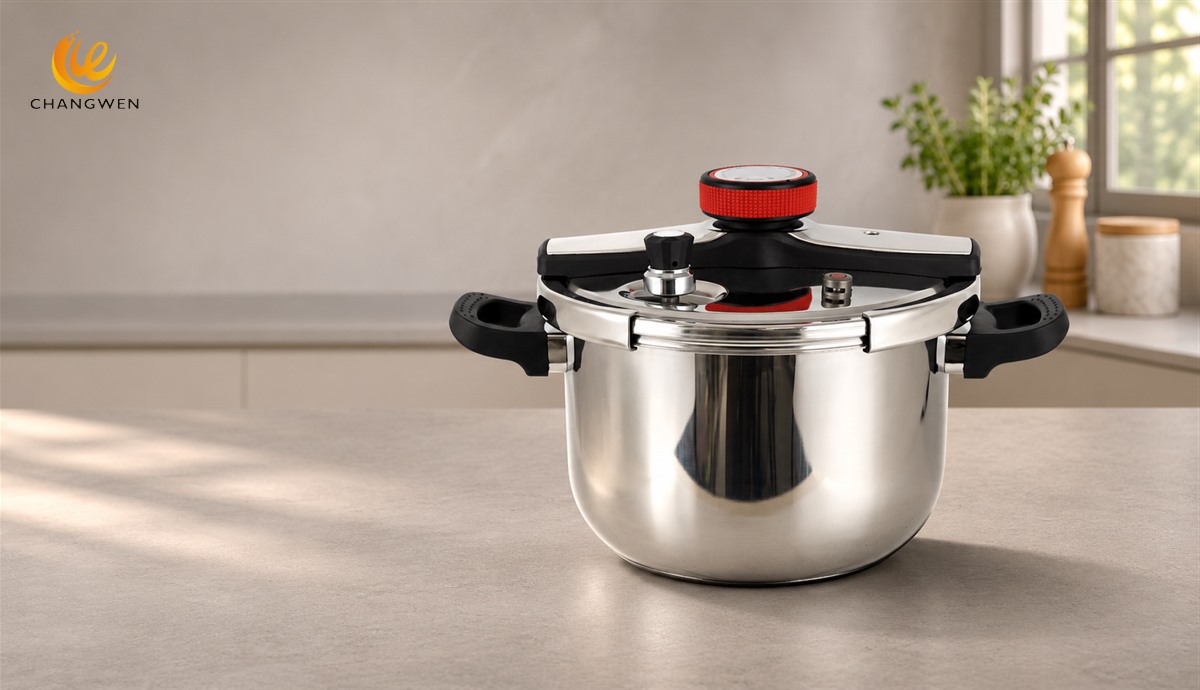
When comparing a stainless and an aluminum offer for the same channel, check how each retailer will describe the benefit. A lighter cooker is easier for a shopper to lift off the shelf. A documented induction base may answer a more important question for customers replacing an older cooker after changing their stove. If an offered feature has no supporting evidence or little value for the intended buyer, omit it from the scoring sheet and from the commercial claim.
How should a buyer compare valves, seals, and lid locks?
A pressure cooker’s operating regulator, protective relief features, lid lock, and sealing gasket have different jobs. The regulator manages pressure during normal operation. Protective relief features address abnormal conditions as documented by the manufacturer. A lid lock addresses opening and closure behavior, and a gasket provides the seal when correctly specified and fitted. Ask for a model-specific explanation of each function and evidence that the complete lid assembly was evaluated. Counting visible fittings cannot establish the effectiveness of the safety system.
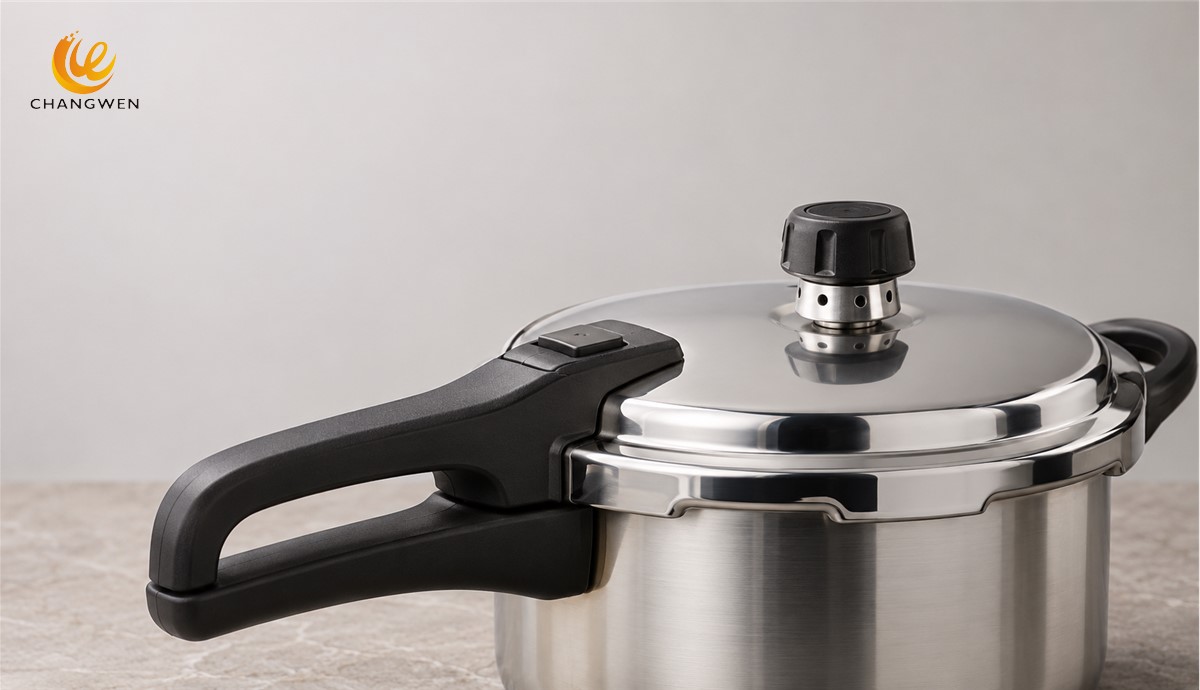
A weighted regulator and a spring-regulated design can offer different cues for the user, such as movement, sound, or a visible indicator, depending on the model. Compare how clearly different users can recognize the normal state and follow the model instructions. Ask how the approved regulator is identified in spare-parts records and how the importer can distinguish similar-looking pieces. A familiar control can improve usability, while an unfamiliar control may still be suitable if the instructions and markings communicate it clearly.
A pressure indicator and an opening interlock should be reviewed as separate functions even when the user sees them in the same part of the lid. Ask the supplier and the conformity assessment team to explain what shows pressure status and what controls lid opening. The sample review should check whether the intended closing position and instructions are easy to recognize at room temperature. Verification of pressure-dependent behavior belongs with qualified testing of the exact configuration.
Importers should treat gasket substitution as a change to the approved configuration. Color and diameter are insufficient to identify a correct replacement. Confirm the approved part reference, which lid models and revisions it fits, where customers can obtain it, and how the manufacturer expects the part to be stored or replaced. For a retailer, a compatible gasket on the shelf can save a product return. An ambiguous compatibility chart can turn a small replacement into a service and safety issue.
Compare lid systems on repeatable usability rather than the force a single reviewer puts into opening or closing a sample. Ask multiple reviewers to identify the alignment marks, close a cool unpressurized sample as the manual directs, and explain the next step in their own words. A left-handed reviewer may interpret the handle position differently from a right-handed reviewer. Record repeated misunderstandings for the supplier to resolve through supported markings, revised instructions, or a different approved model.
Which safety documentation should an importer request for Mexico?
Mexico’s Secretariat of Economy lists NOM-054-SCFI-1998 for household pressure cooker safety as current. Start the Mexico review with that official listing and confirm applicability for the exact model, intended use, and import arrangement with the relevant conformity assessment body and customs adviser. A report prepared for another market can inform a technical review. It does not establish acceptance for a Mexican shipment on its own.
Ask the supplier for the evidence appropriate to the shipment and market, including the applicable standard and edition, test report identifiers, model codes, test sample descriptions, and the scope of any required certificate. A one-page certificate can be useful if its annex identifies the model and configuration. A laboratory report can explain the sample and results, but the buyer should verify what separate conformity documentation is needed. Treat these as complementary records and have the responsible body confirm the scope before placing production orders.
Maintain a model-to-document crosswalk with one row per retail SKU. Include the factory model and revision, body and lid materials, capacity, lid assembly and approved component references, report or certificate references, manual version, carton artwork version, and batch identifier. When one document covers several variants, ask for explicit confirmation that the proposed combination falls within its scope. A family name printed on a cover page should lead to a traceable model entry in the supporting records.
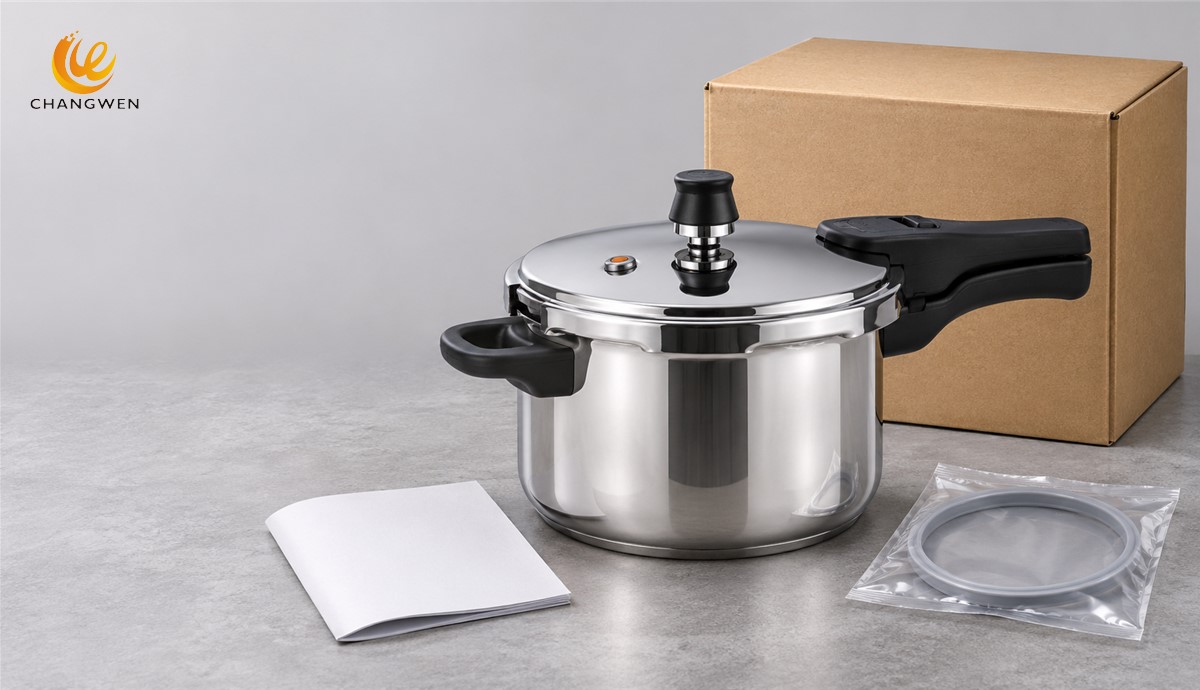
For a Mexico launch, review Spanish instructions and labeling against the specific model and the applicable requirements before artwork approval. Verify that the names of controls, the closure illustration, the fill markings, the permitted cooktops, and contact information match the finished cooker. If one manual serves multiple sizes, label the diagrams and differences clearly. A text translation can be accurate while still pointing a customer to the wrong control if the supplied lid changed between the sample and final artwork.
Check current customs classification and trade measures independently of product safety documentation. The March 2026 Diario Oficial publication discusses a trade measure involving certain aluminum pressure cookers. Ask the customs adviser to check the actual material, capacity, origin, product scope, and shipment date before comparing landed quotes. A safety certificate and an applicable customs determination answer different questions. Budgeting around one without checking the other makes two otherwise similar offers hard to compare.
Before printing the retail carton, compare the model codes and claims in a single review with the importer, supplier, and conformity contact. The same cooker can carry a factory code, a retail SKU, and a distributor inventory number. Keep the cross-reference in a shared record and use the appropriate identifier on each document. This catches a common purchasing error: buying a valid product family while ordering a particular capacity or revision outside the reviewed scope.
Careful translation also helps the service team separate a customer question from a product report. Use the same Spanish names for each part in the manual, parts list, and retailer support materials. A parts diagram supplied with the exact model can help identify which replacement the customer needs. An illustration from a neighboring family may use the same words while showing different parts or orientations. Review translated terminology beside the approved model materials.
How should an importer approve a pressure cooker sample?
Request a production-equivalent pressure cooker sample with its real components, labels, manual, and intended packaging. Record the factory model and revision on receipt, then compare the body, lid, markings, and part references with the quote and evidence. A display sample can show the proposed styling and size. A production-equivalent sample lets the importer establish a reference for shipment checks and identify when a proposal needs additional review.
For the receiving review, check the sample for visible damage, unstable resting position, unreadable markings, and obvious differences between the manual and the actual controls. Review handle comfort with a cool, representative load and compare a smaller model with a larger one using the same handling path from cooktop to counter. Keep pressure-related validation within the test plan managed by qualified personnel. An unpressurized handling review provides information about user experience and cannot substitute for formal safety testing.
Ask the supplier to explain which routine factory checks apply to finished production and what evidence the importer can review before shipment. Agree with the conformity and inspection teams on the differences between laboratory testing, production checks, and pre-shipment inspection. An inspection can verify that markings, model counts, or required records match the order. It should not be used as proof that unreviewed substitutions or previously untested configurations satisfy the applicable requirements.
Define the response to a mismatch before the first shipment. If a protective component, lid assembly, or sealing part differs from the approved reference, pause release of the affected stock and have the supplier and responsible conformity specialists evaluate it. If the difference is a box illustration, determine whether it affects how buyers identify or operate the model before correcting the artwork. Both findings need a documented disposition, even though the technical review required can differ substantially.
Keep the retained sample and the signed specification together. The sample records appearance and feel. The specification records items an inspector can compare consistently, including model references, markings, accessories, approved artwork, and traceability fields. Give revisions dates and record who authorized them. A second purchase made from an old catalog number can otherwise bring in a revised lid or accessory under packaging intended for the original model.
How do landed cost and spare parts change the quote?
Compare pressure cooker quotes on the same material, capacity, cooktop support, packaging, and delivery terms. Add the costs you will bear for required conformity work, freight, insurance, customs, inspection, storage, and service inventory. In an illustrative comparison, 500 cookers at $18 each plus $2,500 in other shipment costs total $23 per unit. A second quote at $19 per cooker and $1,500 in other costs totals $22 per unit. Replace the illustrative amounts with actual comparable costs before choosing a supplier.
Packaging cost includes more than the printed box. Confirm how the lid and handles are restrained, whether the manuals and included accessories are easy to find, and whether the master cartons fit the intended route and warehouse handling. A taller box can present the product clearly but take more warehouse or freight space. Approve the packed sample and request finished carton dimensions and weight for each model before locking the delivered-cost comparison.
Build a separate service inventory for approved pressure cooker spare parts and label it by model and revision. Start with the parts the manufacturer identifies as serviceable and ask for availability, lead time, order minimums, and how a future revision will be communicated. A low price on the complete cooker can be offset by long waits for approved parts. Compare the supplier’s ability to replenish the parts you need with the likely time customers will expect for service.
The first purchase order should state how batch information will connect a retailer’s stock to the factory’s records. Ask the supplier to demonstrate how the cooker, retail box, and shipping carton identify model and lot where applicable. The importer can then match a service inquiry to the approved manual and parts list and narrow down stock if a problem is reported. A readable batch reference earns its value during a time-sensitive service investigation.
A purchase team can score each viable cooker on four commercial criteria after the conformity review: expected delivered cost, handling, ease of explaining the controls, and availability of approved parts. Give each criterion a weight that reflects the channel. A discount program may give delivered cost more weight, while a specialty retailer may prioritize service stock. Document why a model received its score so the buyer can review a revised quote without changing the criteria halfway through the comparison.
Include an agreed contact route for identifying potential field issues in the supplier agreement. A retailer should be able to send the model, lot, manual version, photos of the product markings, and a description of the customer’s observation to the responsible team. Collecting the same details across reports helps the importer distinguish an isolated packaging mix-up from a pattern affecting a particular batch. Keep product and channel records organized before inventory is distributed.
What should be confirmed before you release a repeat order?
A repeat pressure cooker order should reference the approved model revision, last accepted purchase order, certificate scope, packaging files, and service parts list. Ask explicitly whether the factory changed the body, lid, regulator, lock, gasket, supplier, or any documented material or process. If any relevant item changed, have the appropriate parties decide whether the sample, documentation, or approval needs to be updated before production or shipment. A familiar reorder code does not establish that production is identical.
Use early return and service feedback to improve the next pressure cooker order. Separate questions about how to find the Spanish manual from reports of hard-to-identify spare parts or a possible product malfunction. Customer support can address a missing document quickly, while a possible product issue needs prompt technical review and traceability. A purchase team that tracks those distinctions can decide whether to revise the instructions, increase parts stock, or review the cooker configuration with the supplier.
Request a wholesale pressure cooker quote from Changwen
Changwen supplies wholesale cookware and provides OEM/ODM and private-label support. Browse the Changwen pressure cooker collection to identify existing styles, or contact Changwen for a wholesale quote or OEM project discussion. An existing platform can be a starting point for evaluating weight, finish, and closure style. A private-label brief is useful when packaging, markings, or the assortment needs to be tailored to the market.
For an inquiry, share the destination market, target capacities, preferred body material, intended cooktops, model quantities, branding requirements, and Spanish artwork or manual needs. Include any specific evidence requested by your conformity assessment team and the approved spare parts you need stocked. Ask which commercially available samples and model-specific records can be supplied for review. That gives both sides a clear basis for comparing a quotation with the product you intend to import and support.
-
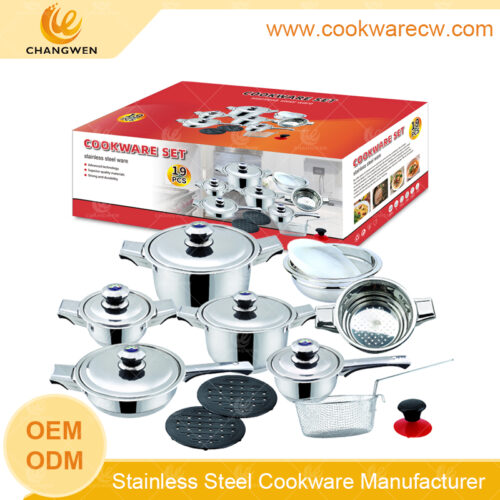
Heavy weight cookware set steamer pot 19pcs stainless steel pots and pans with thermal knobs and heat insulation handle frying basket salad bowl with PP lid kitchen utensil fire mats suction knob CW-M1901G
-
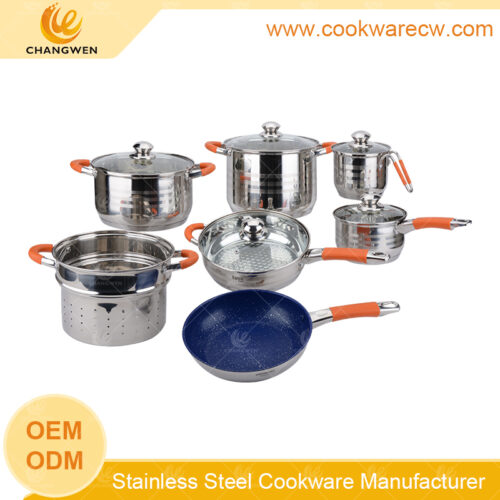
Best Quality Stainless Steel Pots And Pans
-
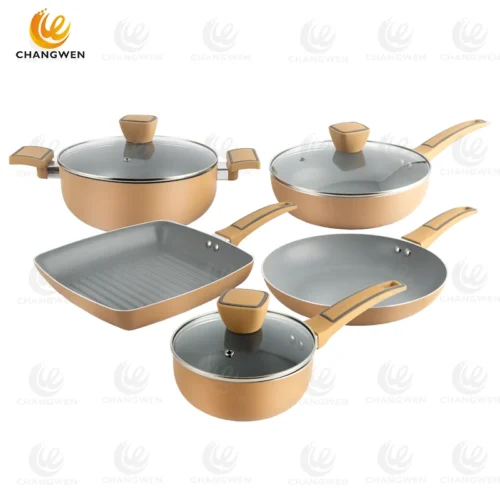
8pcs Stretched Aluminum Cookware Set Nonstick Pots and Pans | Aluminum Cookware Wholesale Supplier China
-
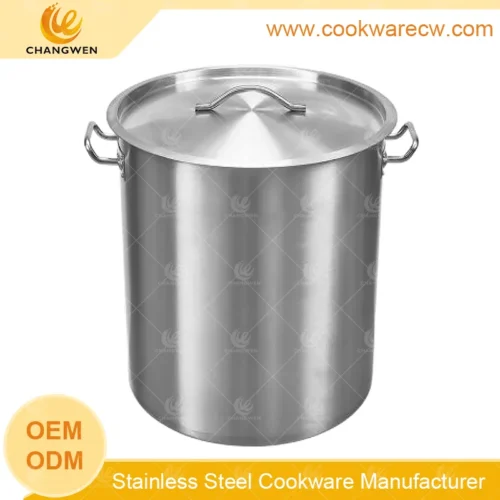
Commercial Stainless Steel Stock Pot CW-SP001
-
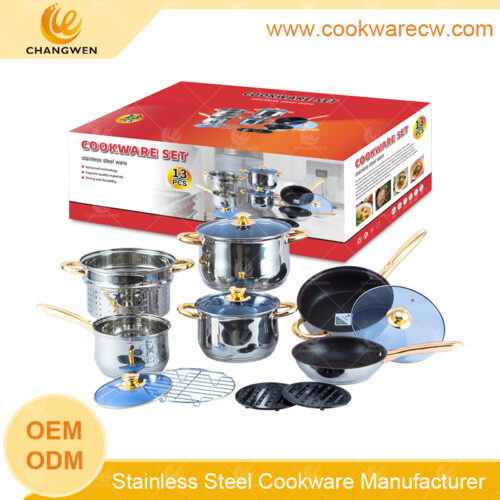
Factory Wholesaler 13 pcs nonstick stainless steel cookware set fry pan saucepan casserole steamer rack black mats CW-M1301
-
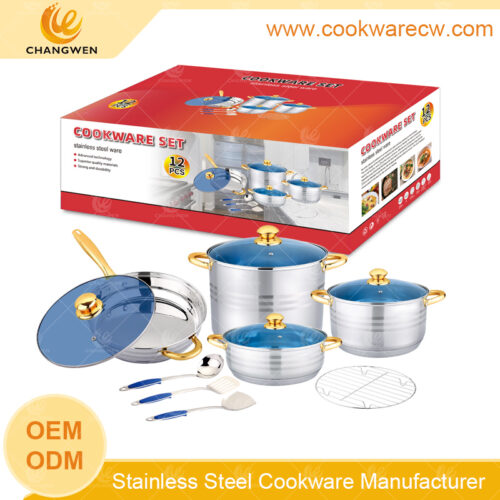
popular stainless steel 12pcs cookware set pots and pans casserole fry pan with kitchenware tools and wire reack CW-M1208
-

Stainless Steel Frying Pan with Professional Heat Control CW-ETP020
-
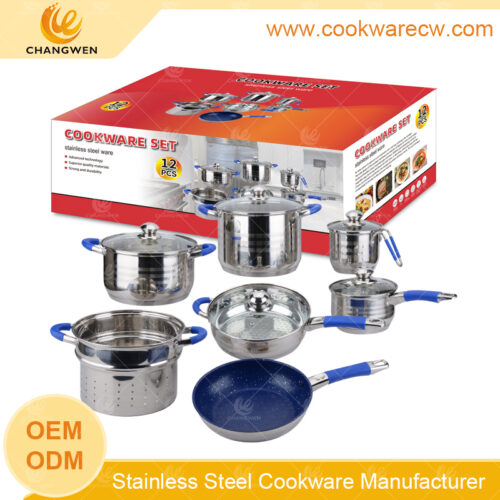
12pcs stainless steel cooking pots & pans set with color silicon handles coating conic frypan 24cm pasta pot in China CW-M1311